Africa is the world’s second-largest and second-most-populous continent. It covers approximately 30,370,000 km2 (11.7 million square miles), approx. 20% of Earth’s total land area, and is home to roughly 1.4 billion people in 54 fully recognised countries. The equator runs directly through the middle of the continent, placing Africa in both the northern and southern hemispheres.
Where is Africa?
Africa sits south of Europe, separated by the narrow Strait of Gibraltar (just 14 km / 8.9 miles wide at its narrowest point). It is bordered by the Mediterranean Sea to the north, the Red Sea and Indian Ocean to the east, the Atlantic Ocean to the west, and the Southern Ocean to the south. The Suez Canal cuts Africa off from Asia at its north-eastern corner.
African geography
Africa is famously varied. The northern third is dominated by the Sahara, the largest hot desert on Earth at approx. 9 million km2. South of the Sahara is the Sahel, a semi-arid transition belt. The equatorial centre holds tropical rainforests including the Congo Basin (the second-largest rainforest in the world). Eastern Africa is shaped by the Great Rift Valley, with its giant lakes and the towering peaks of Mount Kilimanjaro (5,895 m) and Mount Kenya. Southern Africa has the Kalahari and Namib deserts, the Drakensberg mountains, and the dramatic coastline of the Cape of Good Hope. The Nile, the world’s longest river at 6,650 km, flows north through ten African countries.
Regions of Africa
Africa is usually divided into five regions, each with its own character:
North Africa, Mediterranean coastline, Arabic-speaking, mostly Muslim. Includes Algeria, Egypt, Libya, Morocco, Sudan, and Tunisia.
West Africa, coastal nations on the Atlantic. Includes Nigeria (Africa’s most populous country), Ghana, Senegal, and Ivory Coast.
Central Africa, the Congo Basin and rainforest belt. Includes the Democratic Republic of the Congo, Cameroon, Gabon, and the Central African Republic.
East Africa, safari country and the Horn of Africa. Includes Kenya, Tanzania, Uganda, Ethiopia, and Madagascar.
Southern Africa, South Africa, Namibia, Botswana, Zambia, Zimbabwe, and the small kingdoms of Lesotho and Eswatini.
People, languages, and religions
More than 2,000 languages are spoken across Africa, about a third of the world’s total. The biggest by speaker count are Arabic, Swahili, Hausa, Yoruba, Amharic, and Igbo. English, French, and Portuguese are widely used as official languages, a legacy of European colonisation. The main religions are Christianity (mostly in central and southern Africa) and Islam (mostly in the north and the Sahel), alongside traditional indigenous beliefs.
Wildlife and famous landmarks
Africa is the home of the “Big Five” safari animals, lion, leopard, elephant, rhinoceros, and Cape buffalo, plus giraffes, hippos, gorillas, cheetahs, and zebras. Famous landmarks include the Pyramids of Giza, the Great Sphinx, Victoria Falls, the Serengeti, the Sahara dunes, Table Mountain, and the rock-hewn churches of Lalibela.
Explore African countries
Pick any of the 54 African countries below for its complete fact file, capital city, population, area, currency, language, religion, geography, famous landmarks, and a flag image.
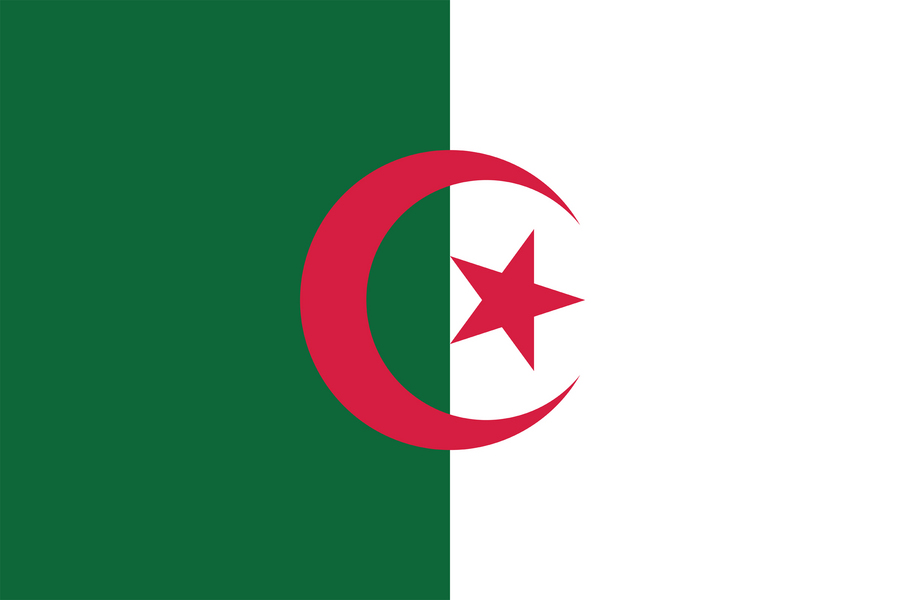
AlgeriaAlgeria is the largest country in Africa, around 80 per cent Sahara Desert, with almost its entire population living along the Mediterranean coast.
Capital city
Algiers
Population
about 46,000,000
Area
2,381,741 km2 (919,595 square miles)
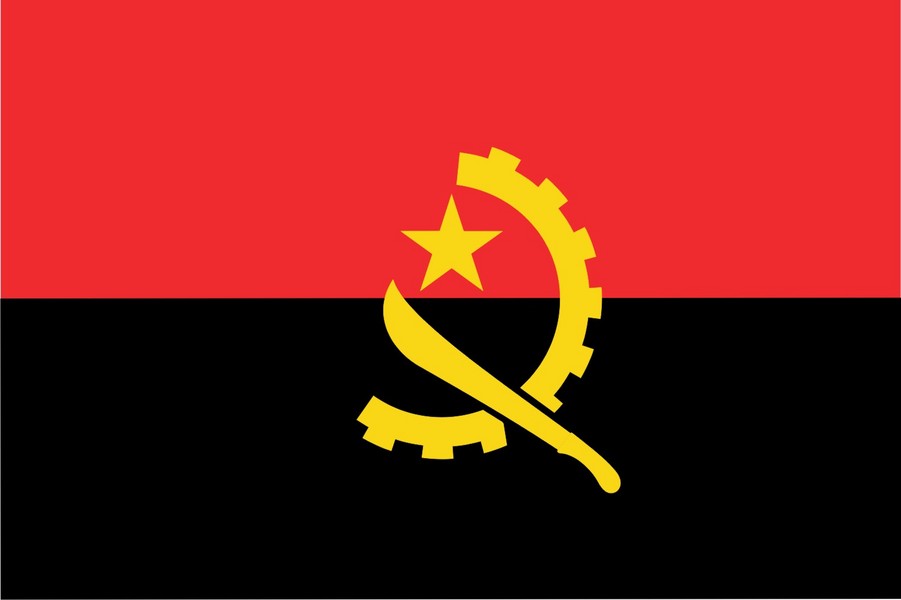
AngolaAngola is a large country on the Atlantic coast of southern Africa, rich in oil and diamonds, and the source of the river that creates the Okavango Delta.
Capital city
Luanda
Population
about 36,000,000
Area
1,246,700 km2 (481,400 square miles)
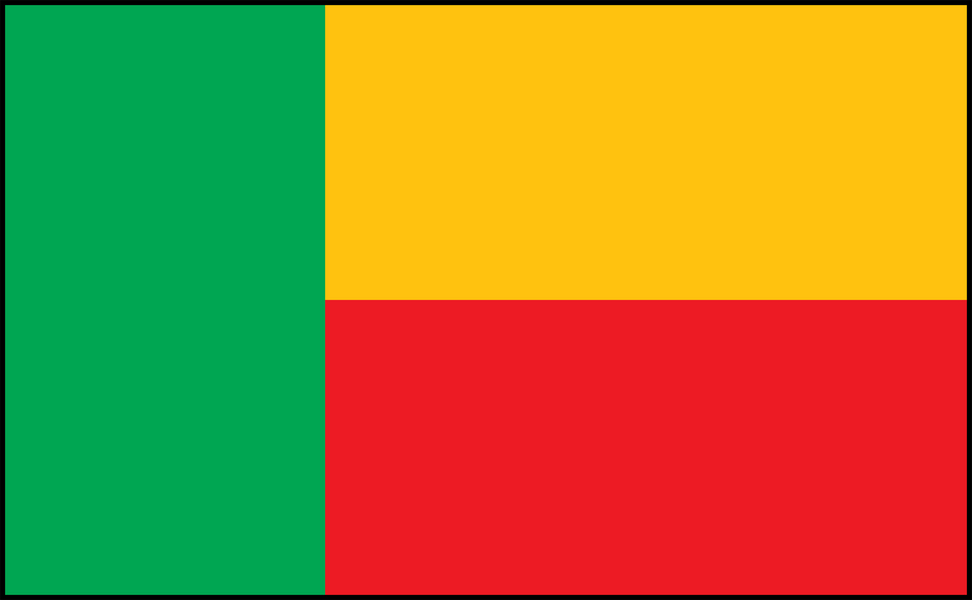
BeninBenin is a narrow West African country running from the Atlantic to the Sahel. It was the seat of the Kingdom of Dahomey and is the birthplace of Vodun.
Capital city
Porto-Novo (official), with Cotonou the seat of government
Population
about 14,000,000
Area
112,622 sq km (43,483 square miles)
BotswanaBotswana is a landlocked southern African country largely covered by the Kalahari, with the Okavango Delta and the largest elephant population in Africa.
Capital city
Gaborone
Population
about 2,700,000
Area
581,730 sq km 224,610 square miles)
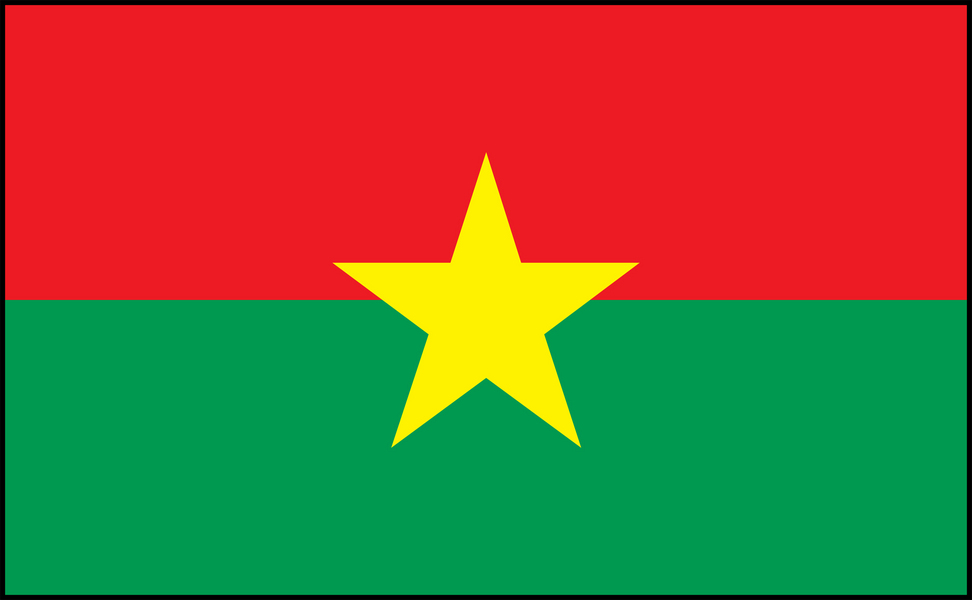
Burkina FasoBurkina Faso is a landlocked West African country of savannah and Sahel. Its name means land of upright people, and its capital hosts Africa's biggest film festival.
Capital city
Ouagadougou
Population
about 23,000,000
Area
274,000 sq km 105,900 square miles)
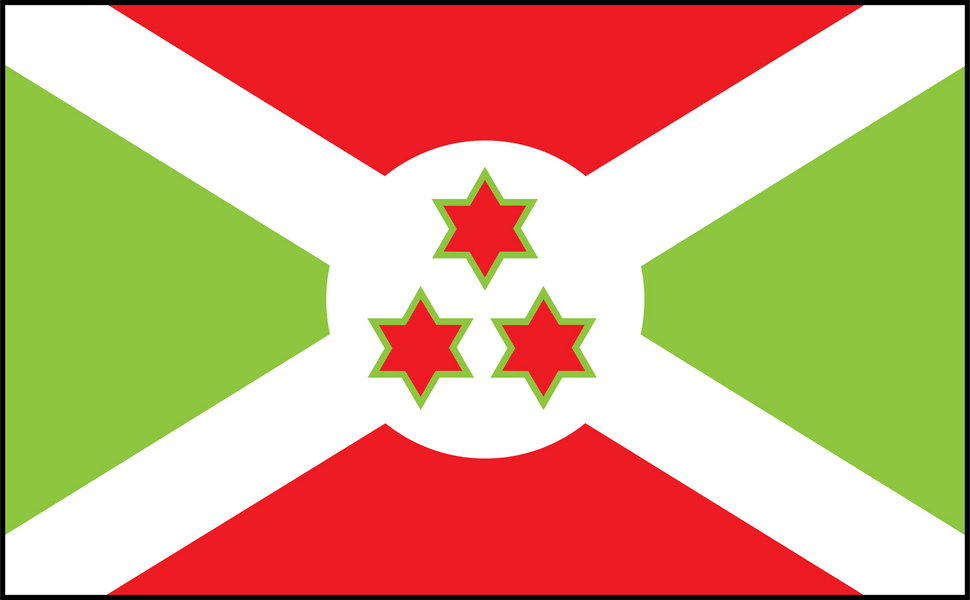
BurundiBurundi is a small, hilly, landlocked country in East Africa beside Lake Tanganyika, and one of the most densely populated nations in Africa.
Capital city
Gitega (political), with Bujumbura the economic capital
Population
about 13,000,000
Area
27,830 sq km (10,745 square miles)
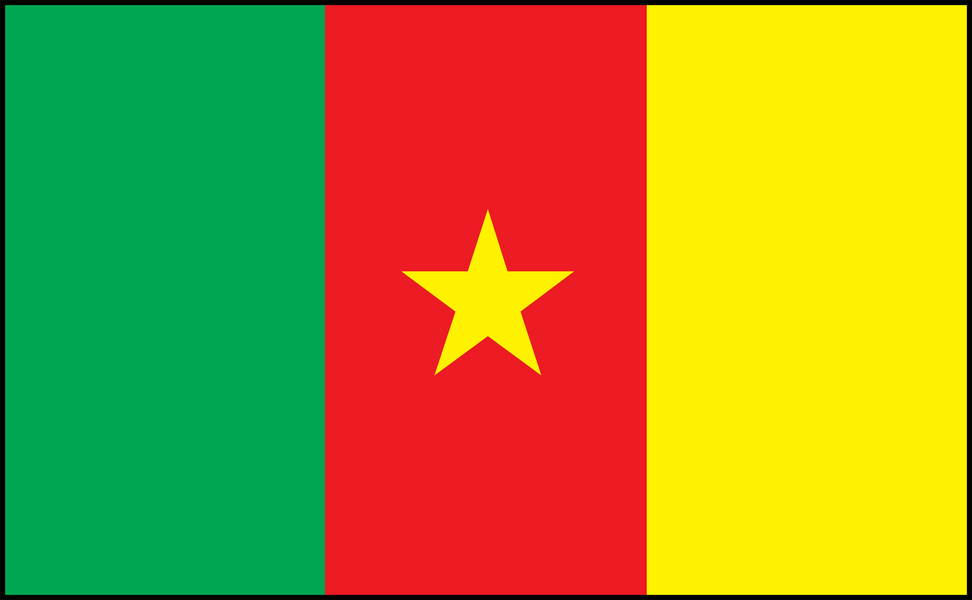
CameroonCameroon is a central African country nicknamed Africa in miniature for its range of landscapes, from Atlantic beaches to rainforest, mountains and Sahel.
Capital city
Yaoundé
Population
about 28,000,000
Area
475,440 sq km 183,568 square miles)
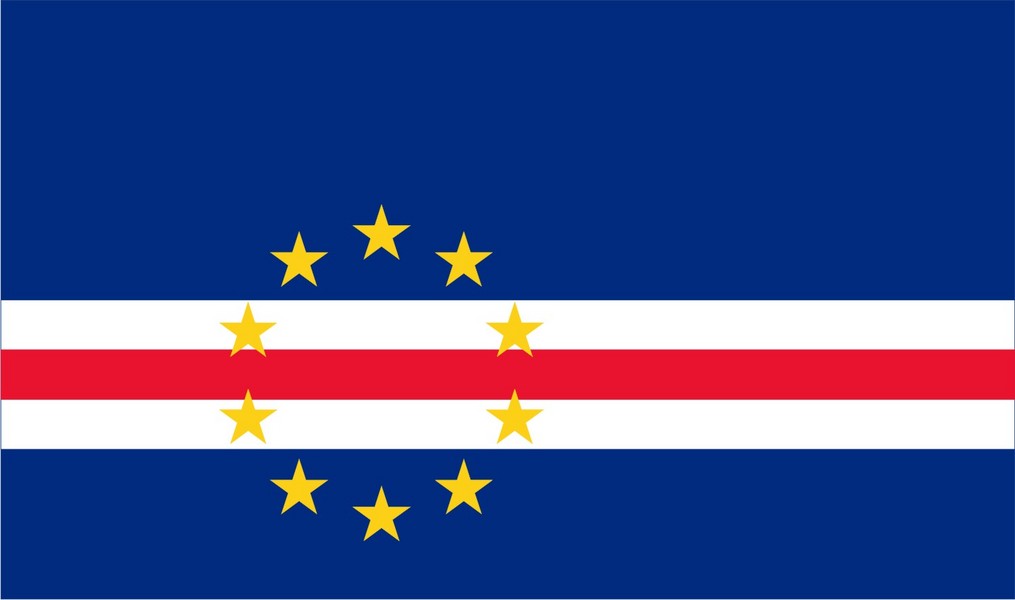
Cape VerdeCape Verde is an Atlantic archipelago of ten volcanic islands off West Africa, with a Creole culture and a musical tradition known worldwide.
Capital city
Praia
Population
about 590,000
Area
4,033 sq km 1.557 square miles)
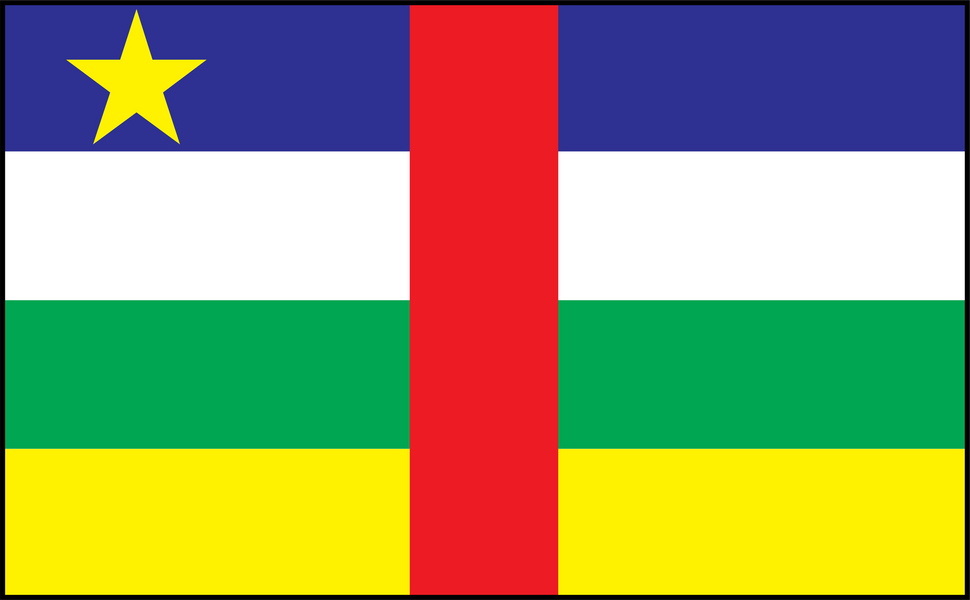
Central African RepublicThe Central African Republic is a landlocked country near the middle of the continent, with northern savannah and southern rainforest rich in wildlife.
Capital city
Bangui
Population
about 5,700,000
Area
622,98 sq km 240,535 square miles)
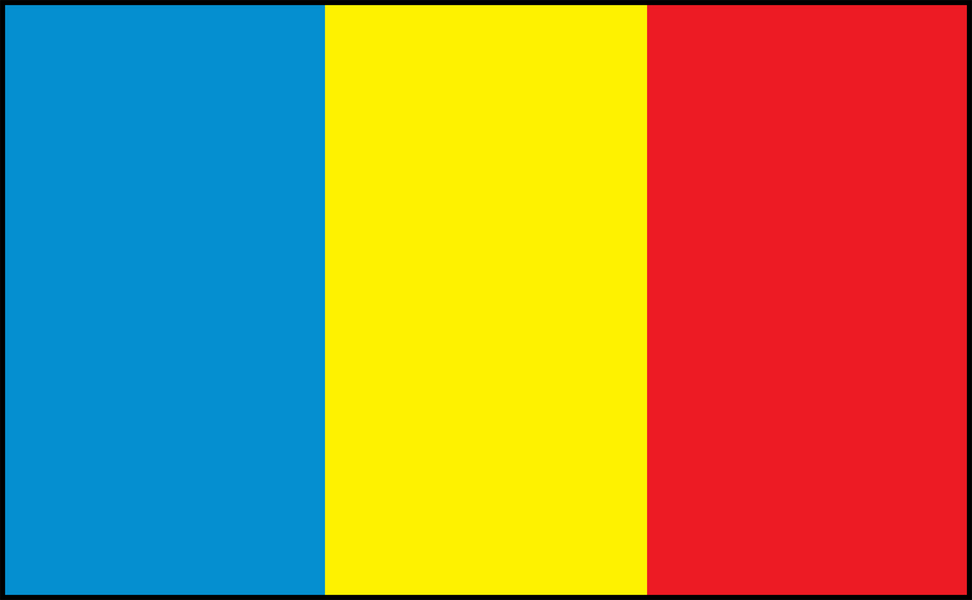
ChadChad is a large landlocked central African country stretching from the Sahara to savannah, named after Lake Chad, which has shrunk dramatically.
Capital city
N'Djamena
Population
about 18,000,000
Area
1,284,000 sq km (496,000 square miles)
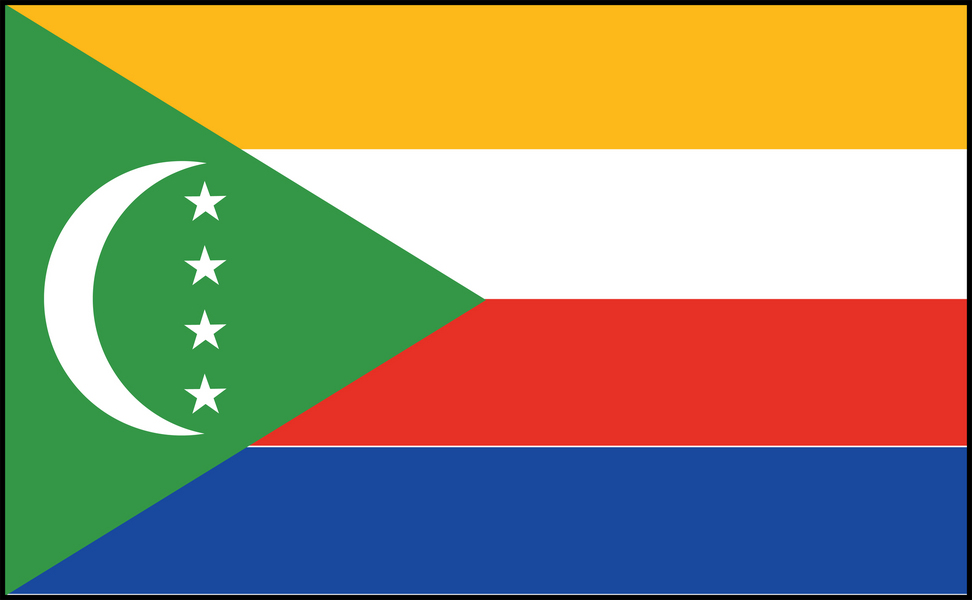
ComorosComoros is a volcanic island nation in the Indian Ocean between Madagascar and Mozambique, known for the coelacanth and for ylang-ylang perfume oil.
Capital city
Moroni
Population
about 850,000
Area
2,034 sq km (785 sq mi)
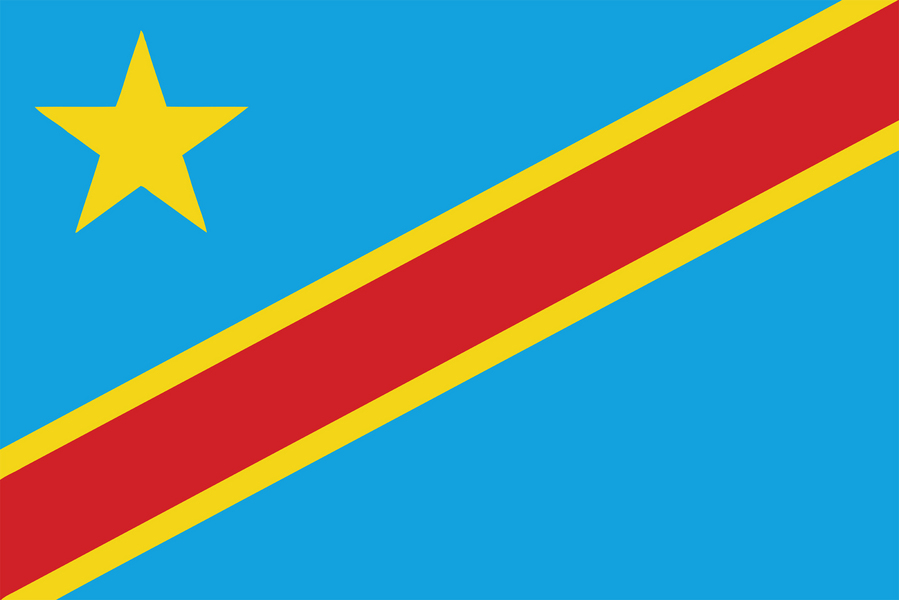
Democratic Republic of CongoThe Democratic Republic of Congo is the second largest country in Africa, containing most of the Congo Basin rainforest and huge mineral reserves.
Capital city
Kinshasa
Population
about 102,000,000
Area
2,344,860 km2
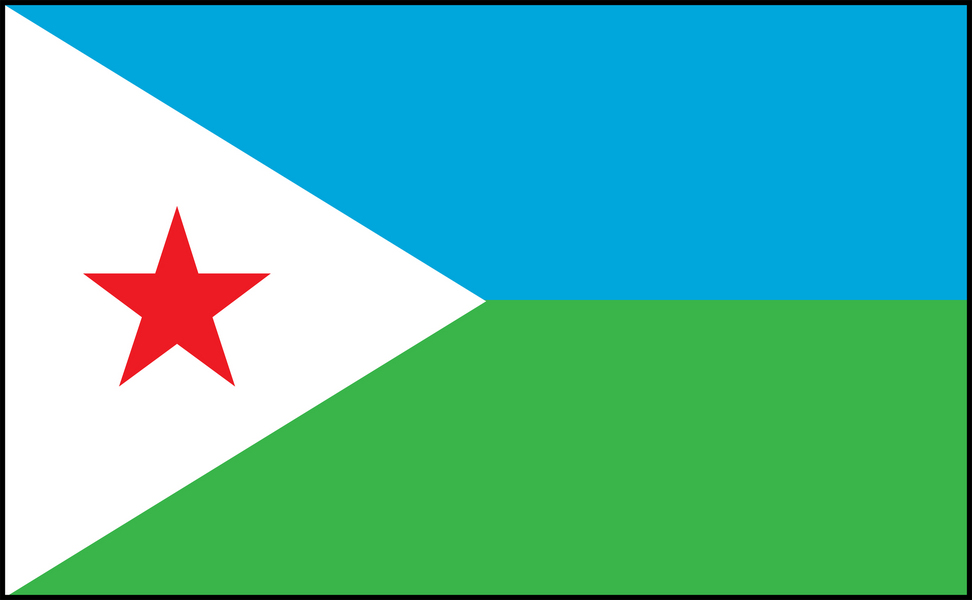
DjiboutiDjibouti is a small, hot country in the Horn of Africa guarding the entrance to the Red Sea, with Lake Assal, the lowest point on the continent.
Capital city
Djibouti
Population
about 1,100,000
Area
23,200 km2
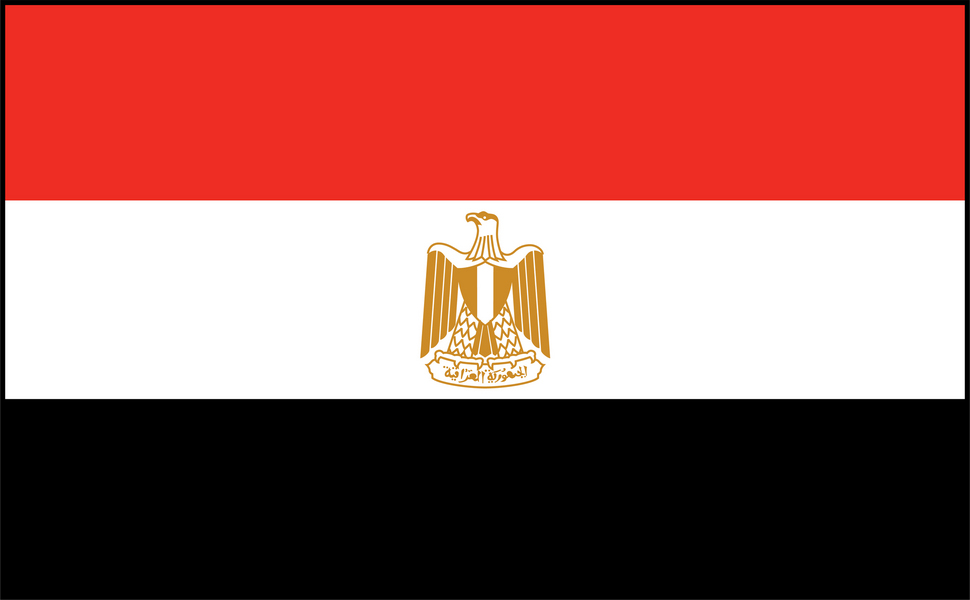
EgyptEgypt is a mostly desert country in north-east Africa where nearly everyone lives along the Nile. It holds the pyramids and 3,000 years of ancient history.
Capital city
Cairo
Population
about 113,000,000
Area
1,002,450 km2
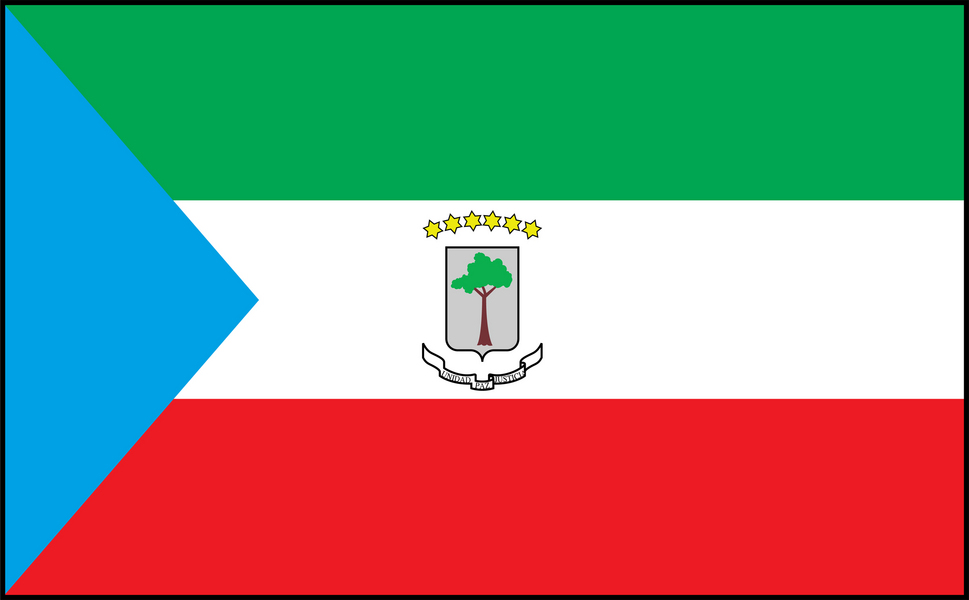
Equatorial GuineaEquatorial Guinea is a small central African country split between a mainland region and islands in the Gulf of Guinea. It is the only African nation with Spanish as an official language.
Capital city
Malabo
Population
about 1,700,000
Area
28,051 km2
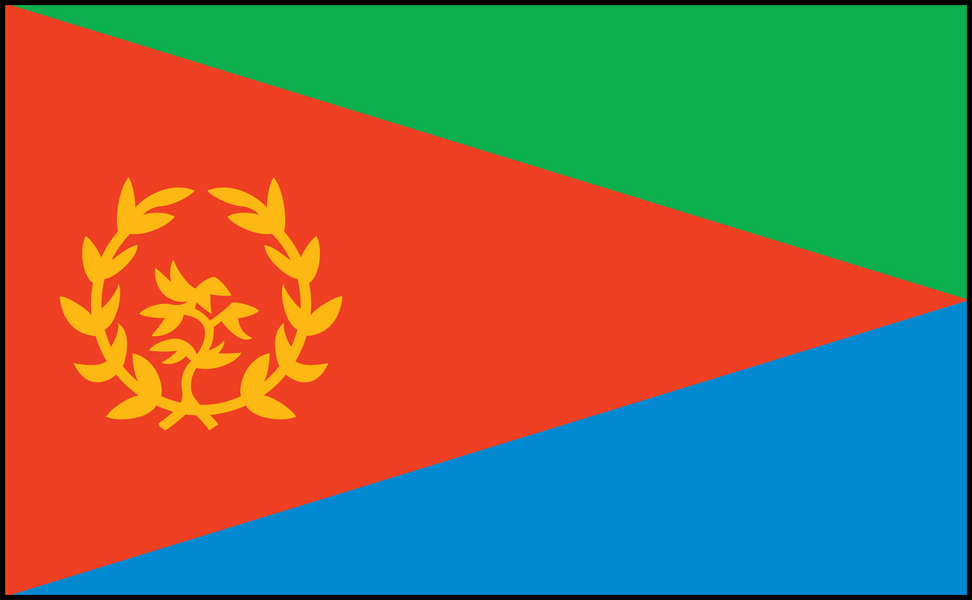
EritreaEritrea is a Red Sea country in the Horn of Africa with a high central plateau and hot coastal lowlands. It became independent from Ethiopia in 1993.
Capital city
Asmara
Population
about 3,700,000
Area
117,600 km2
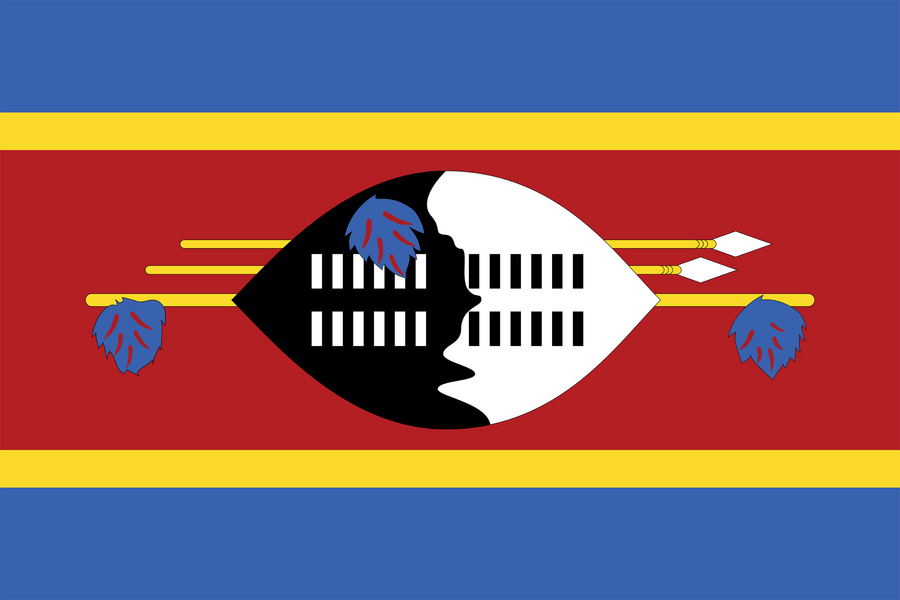
EswatiniEswatini, formerly Swaziland, is a small landlocked kingdom between South Africa and Mozambique, and one of the last absolute monarchies in the world.
Capital city
Mbabane (administrative) and Lobamba (royal and legislative)
Population
about 1,200,000
Area
17,364 km2
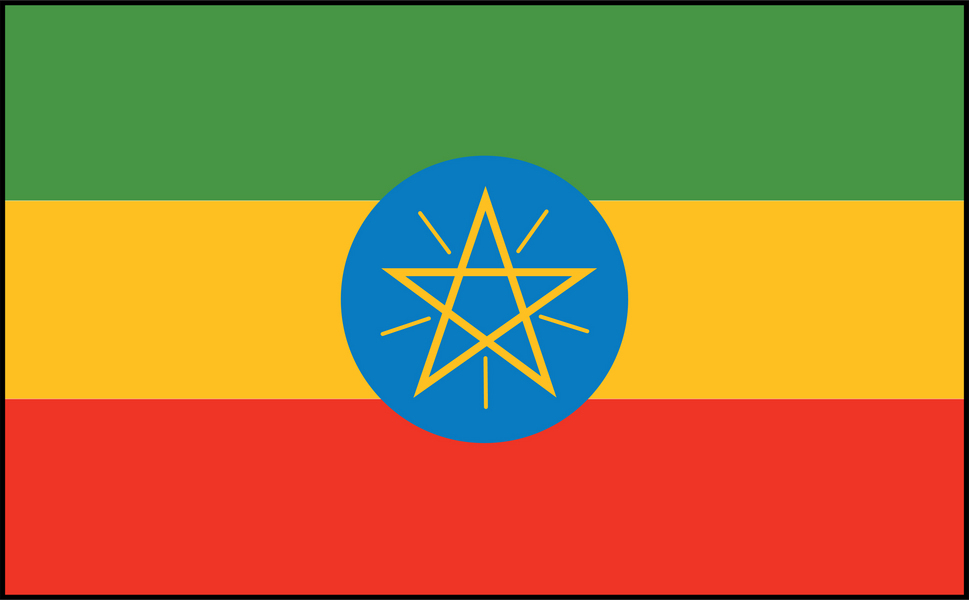
EthiopiaEthiopia is a highland country in the Horn of Africa, the only one never colonised by a European power. It has its own calendar, script and the origins of coffee.
Capital city
Addis Ababa
Population
about 127,000,000
Area
1,104,300 km2
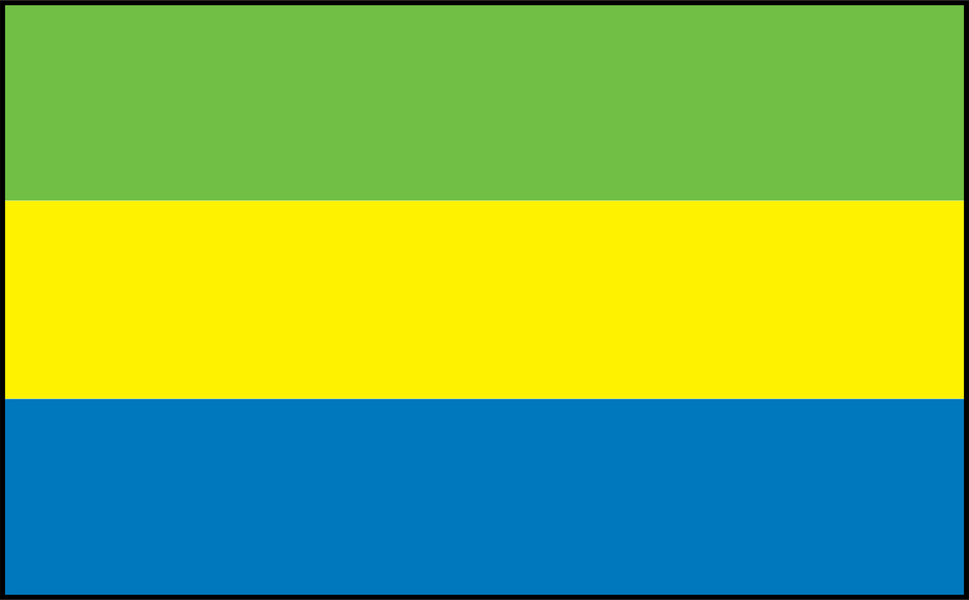
GabonGabon is a central African country on the equator, around 88 per cent rainforest, with 13 national parks and large populations of forest elephants and gorillas.
Capital city
Libreville
Population
about 2,400,000
Area
267,668 km2
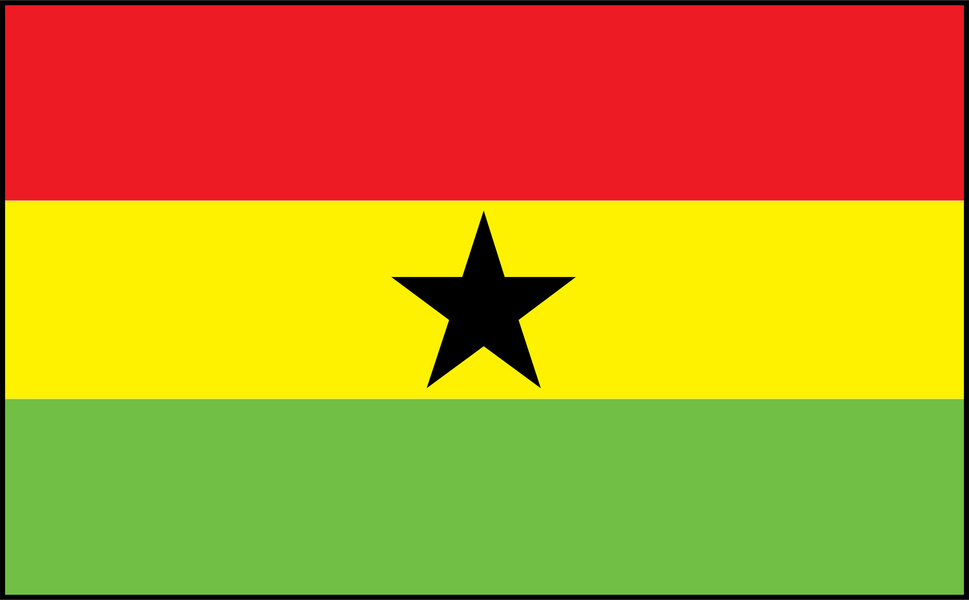
GhanaGhana is a West African country running from the Atlantic coast to northern savannah. It was the first sub-Saharan nation to gain independence, in 1957.
Capital city
Accra
Population
about 34,000,000
Area
238,533 km2
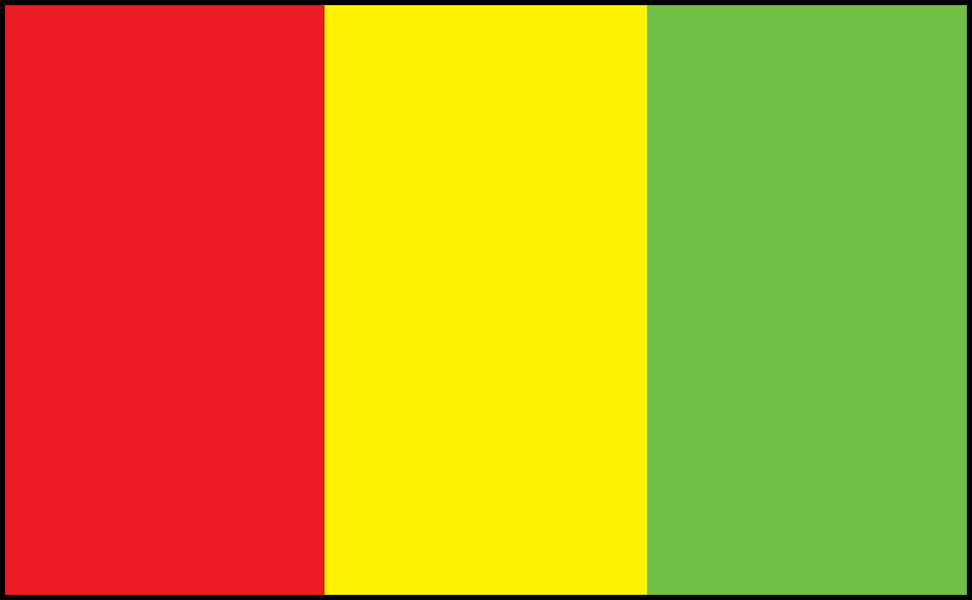
GuineaGuinea is a West African country where the Niger, Senegal and Gambia rivers all begin. It holds the largest bauxite reserves in the world.
Capital city
Conakry
Population
about 14,000,000
Area
245,857 km2
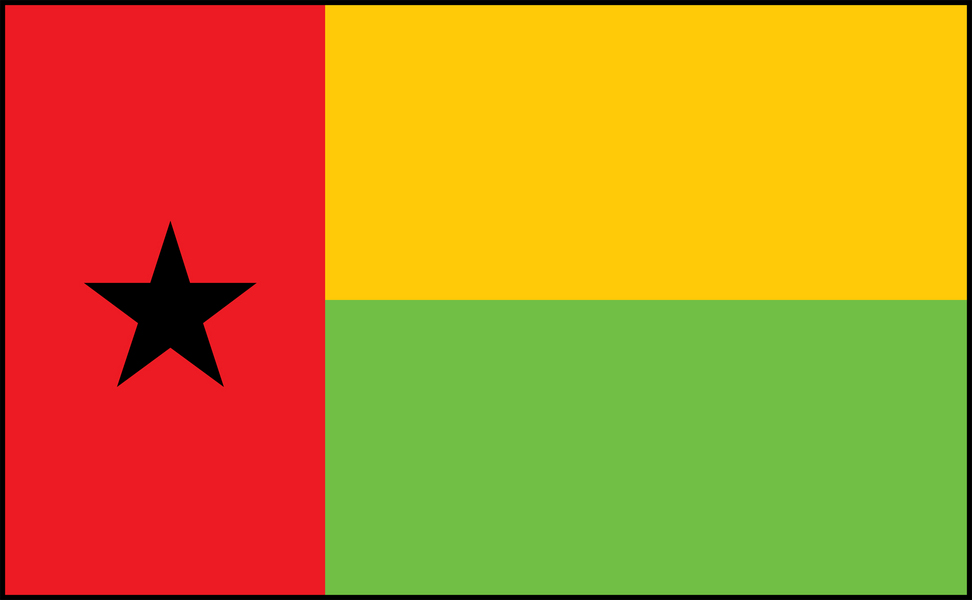
Guinea-BissauGuinea-Bissau is a small West African country of mangrove coast and the Bijagos archipelago, where hippos have adapted to living in salt water.
Capital city
Bissau
Population
about 2,200,000
Area
36,125 km2
Ivory CoastIvory Coast is a West African country and the world's largest cocoa producer, running from Atlantic coast through rainforest to northern savannah.
Capital city
Yamoussoukro
Population
about 29,000,000
Area
322,463 km2
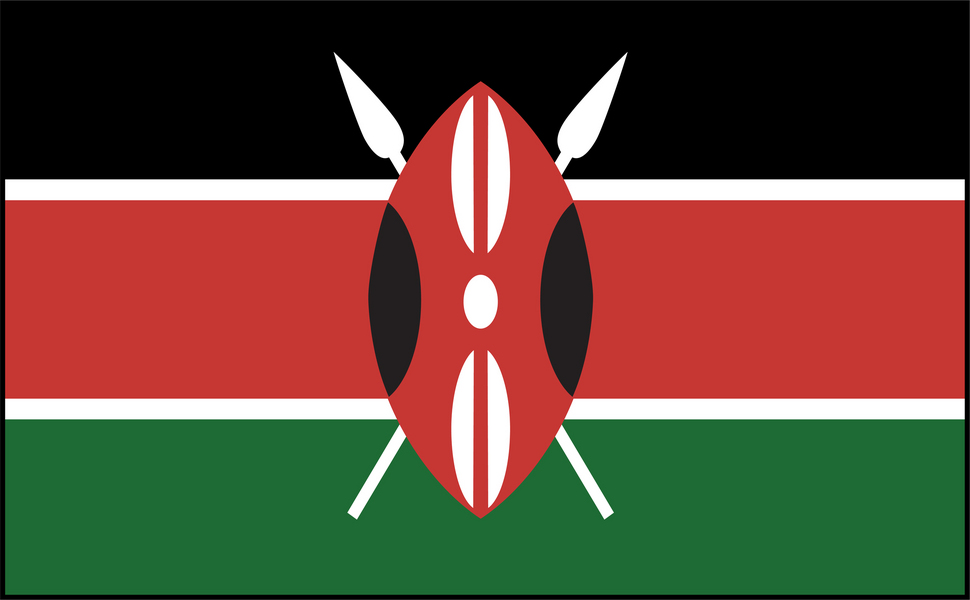
KenyaKenya is an East African country on the equator, running from the Indian Ocean to the highlands and the Great Rift Valley, famous for safari wildlife and long-distance runners.
Capital city
Nairobi
Population
about 55,000,000
Area
580,367 km2
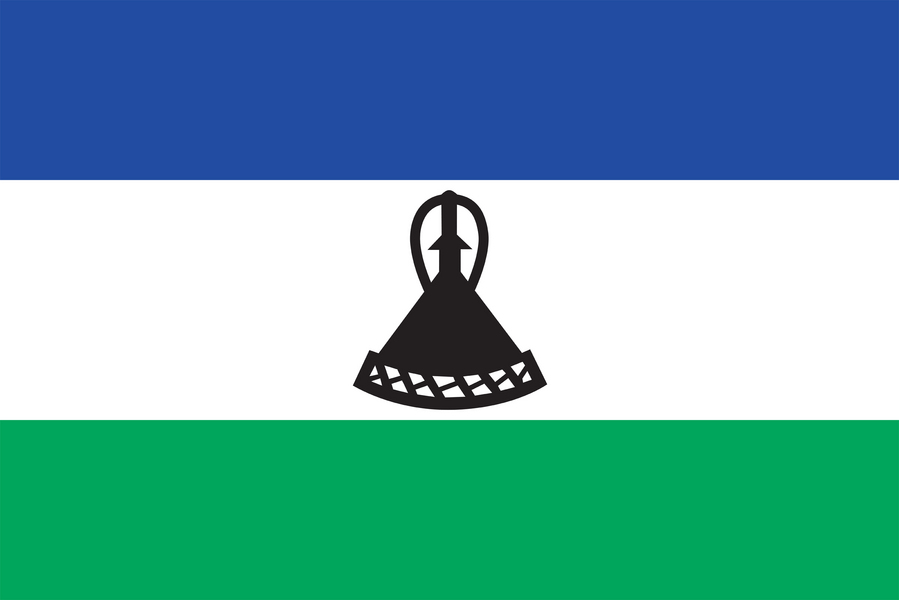
LesothoLesotho is a mountainous kingdom entirely surrounded by South Africa. It is the only country in the world lying completely above 1,000 m.
Capital city
Maseru
Population
about 2,300,000
Area
30,355 km2
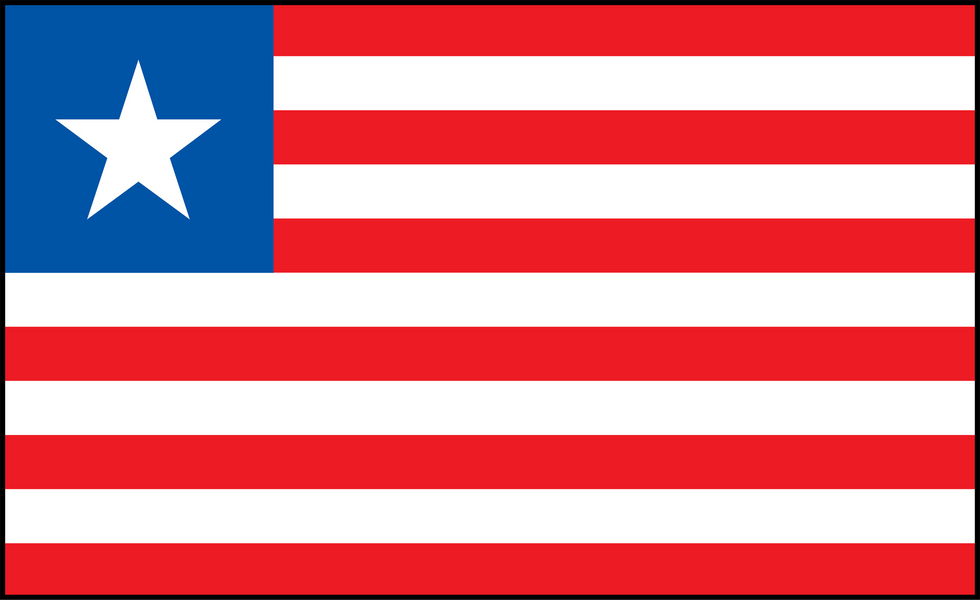
LiberiaLiberia is a West African country founded in 1822 by freed American slaves. It is the oldest republic in Africa and holds a large share of the Upper Guinean rainforest.
Capital city
Monrovia
Population
about 5,400,000
Area
111,369 km2
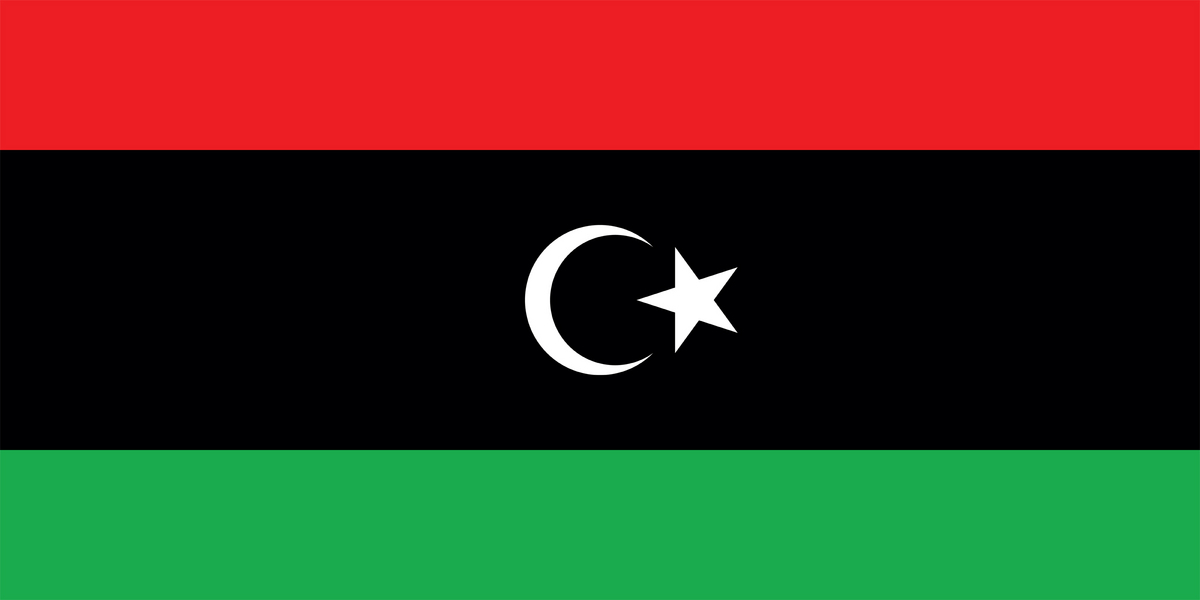
LibyaLibya is a large, mostly desert country in North Africa. Almost everyone lives along the Mediterranean coast, supplied with water pumped from beneath the Sahara.
Capital city
Tripoli
Population
about 7,000,000
Area
1,759,540 km2
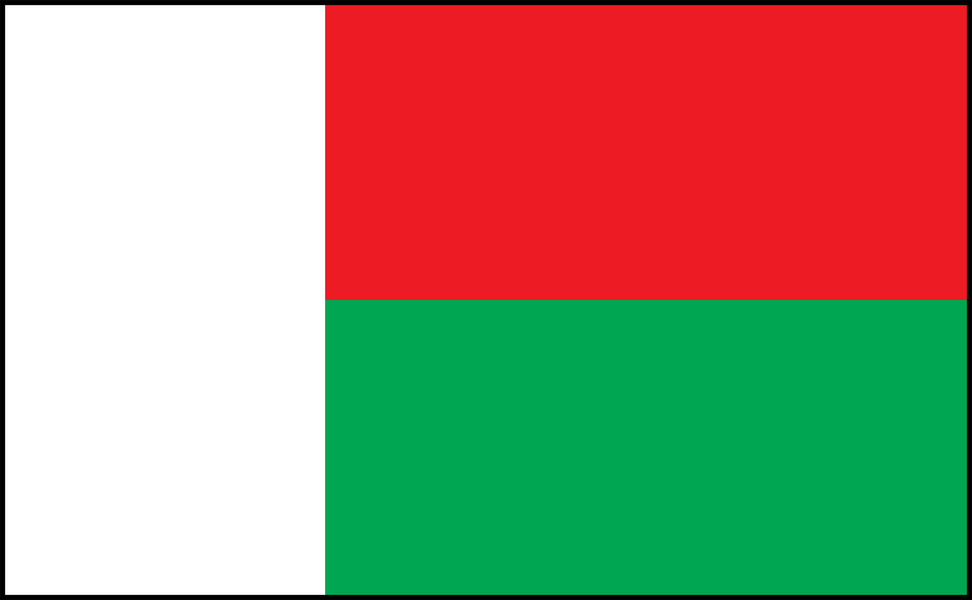
MadagascarMadagascar is the fourth largest island in the world, isolated off the coast of Africa for millions of years, so around 90 per cent of its wildlife lives nowhere else.
Capital city
Antananarivo
Population
about 30,000,000
Area
587,041 km2
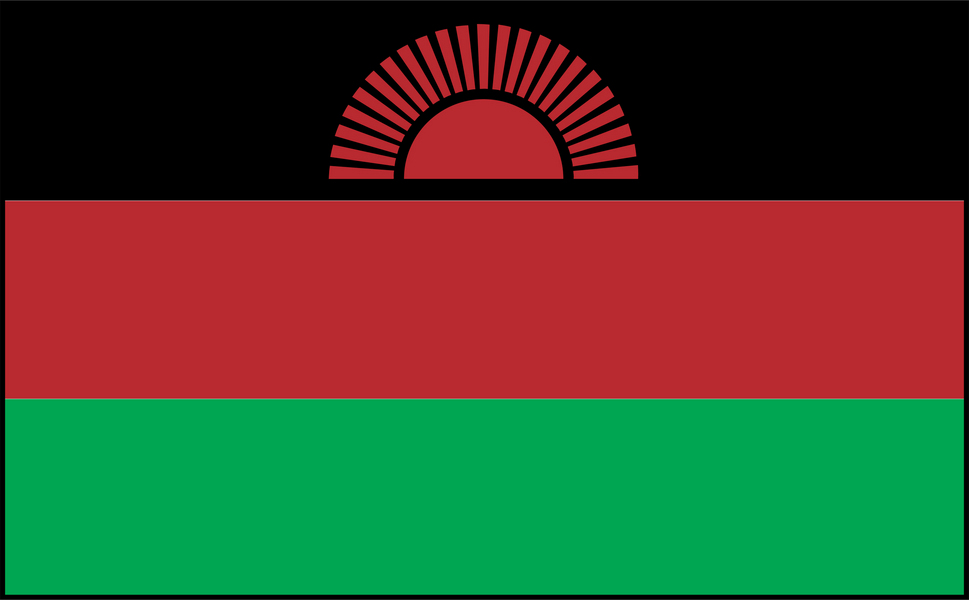
MalawiMalawi is a small landlocked country in south-east Africa dominated by Lake Malawi, which holds more fish species than any other lake in the world.
Capital city
Lilongwe
Population
about 21,000,000
Area
118,484 km2
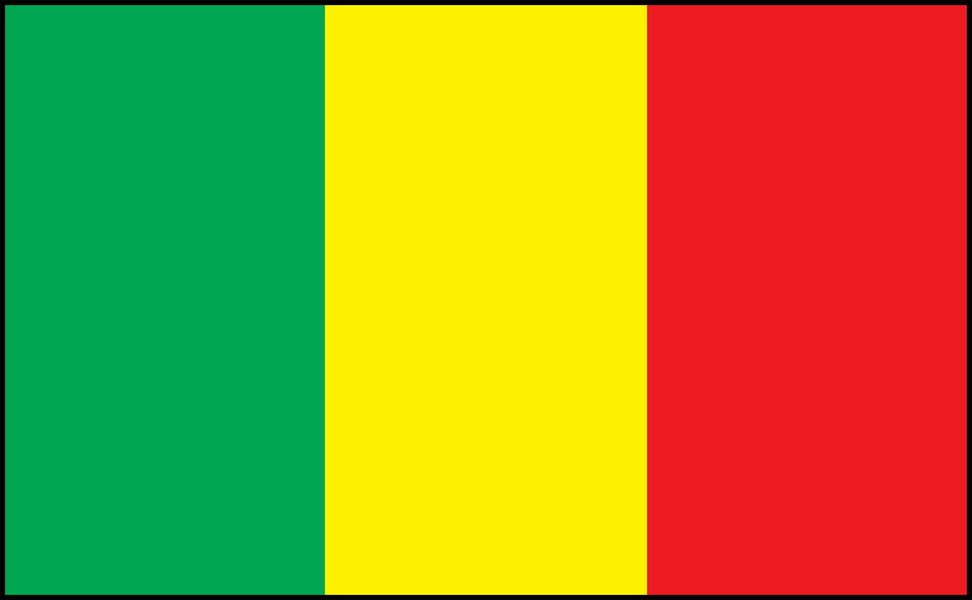
MaliMali is a large landlocked West African country, around two thirds desert, with the Niger River as its lifeline and the historic city of Timbuktu.
Capital city
Bamako
Population
about 23,000,000
Area
1,241,240 km2
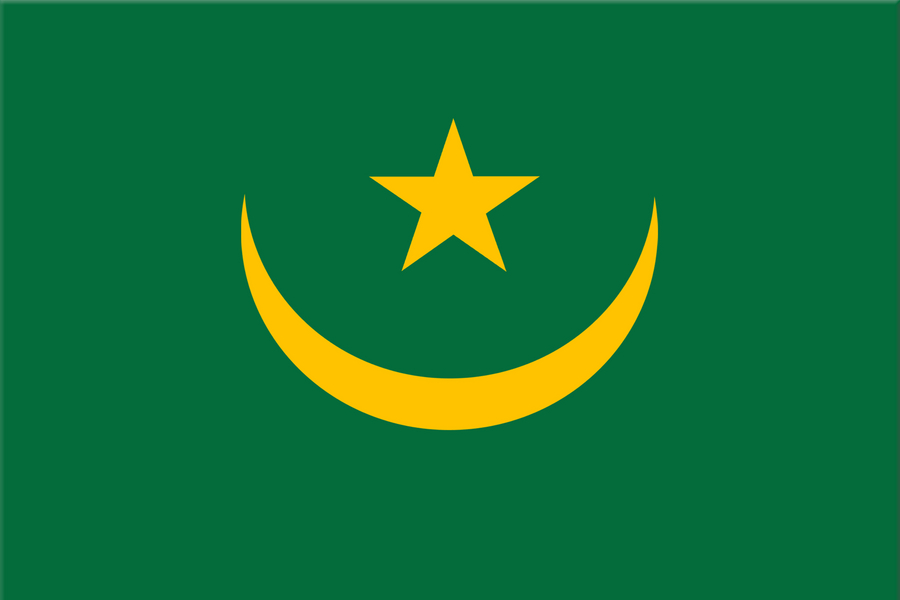
MauritaniaMauritania is a largely Saharan country in north-west Africa, known for its desert caravan towns, iron ore mining and the Eye of the Sahara.
Capital city
Nouakchott
Population
about 4,900,000
Area
1,025,520 km2
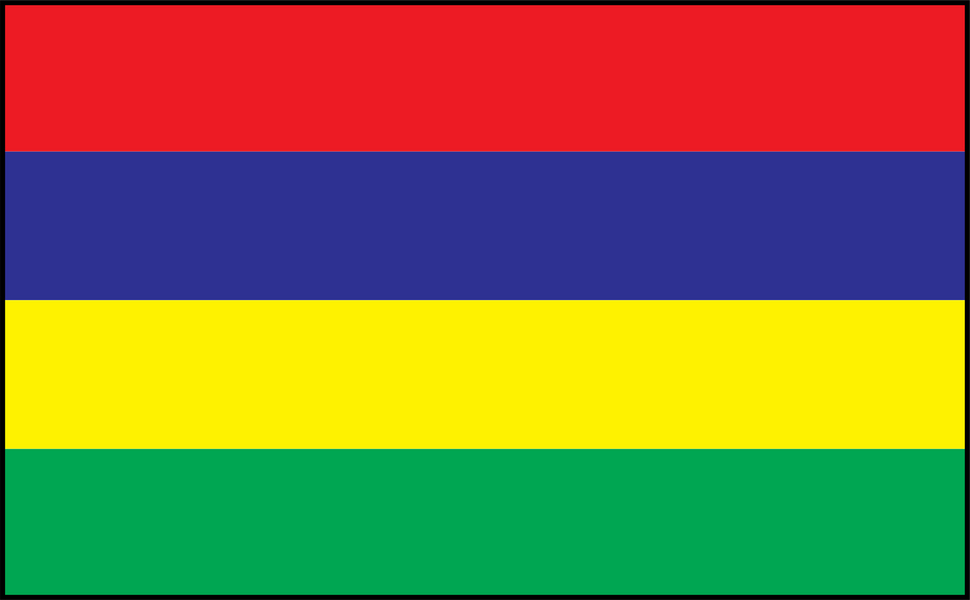
MauritiusMauritius is a volcanic island nation in the Indian Ocean, ringed by coral reef, and the only place the dodo ever lived.
Capital city
Port Louis
Population
about 1,300,000
Area
2,040 km2
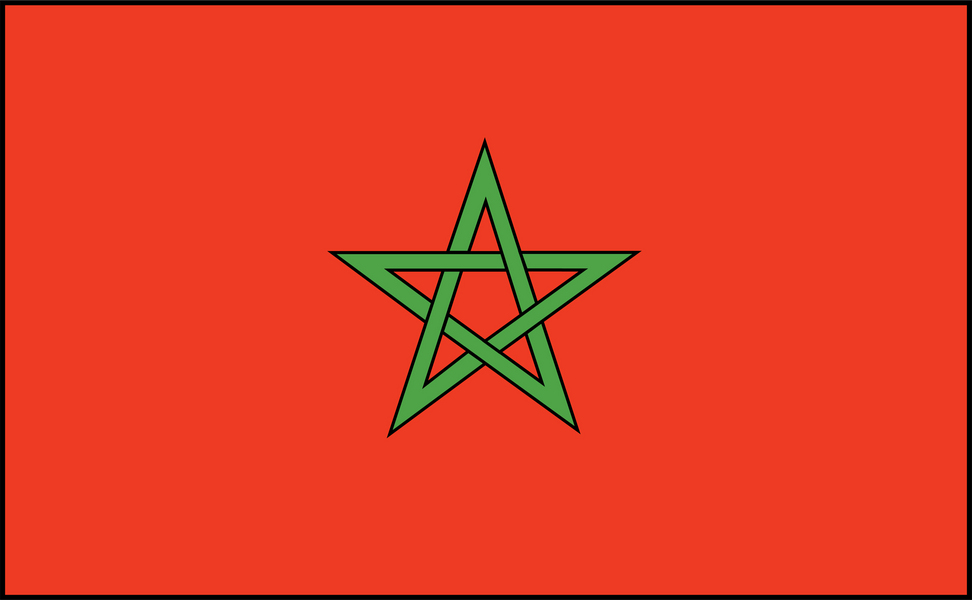
MoroccoMorocco is a North African country with Atlantic and Mediterranean coasts, the Atlas Mountains and the Sahara Desert, known for its walled medina cities.
Capital city
Rabat
Population
about 37,000,000
Area
446,550 km2
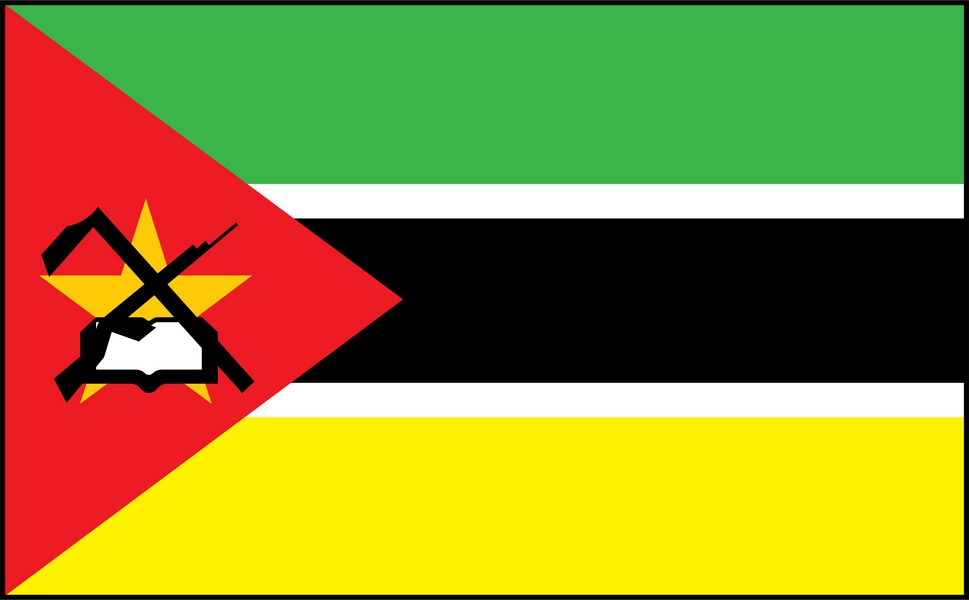
MozambiqueMozambique is a long coastal country in south-east Africa with 2,500 km of Indian Ocean shoreline, coral reefs and the Zambezi River crossing its centre.
Capital city
Maputo
Population
about 33,000,000
Area
801,590 km2
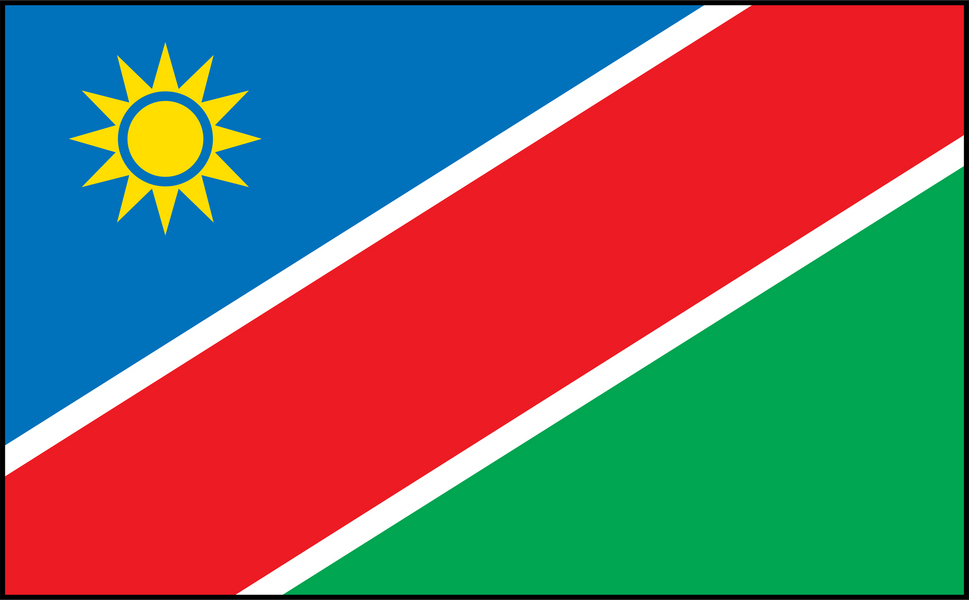
NamibiaNamibia is a sparsely populated country in south-west Africa with the ancient Namib Desert along its Atlantic coast and the Kalahari in the east.
Capital city
Windhoek
Population
about 2,600,000
Area
824,268 km2
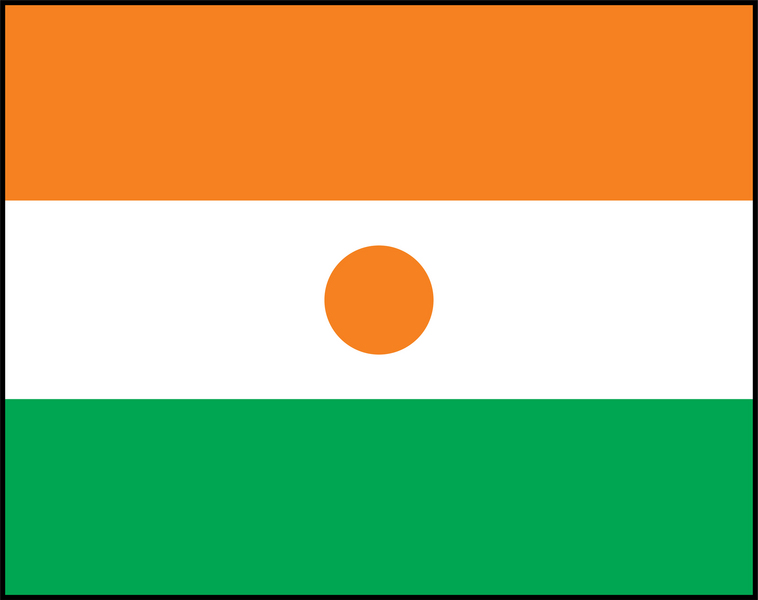
NigerNiger is a large landlocked West African country, over 80 per cent Sahara Desert, with most of its people living along the Niger River in the south.
Capital city
Niamey
Population
about 26,000,000
Area
1,267,000 km2
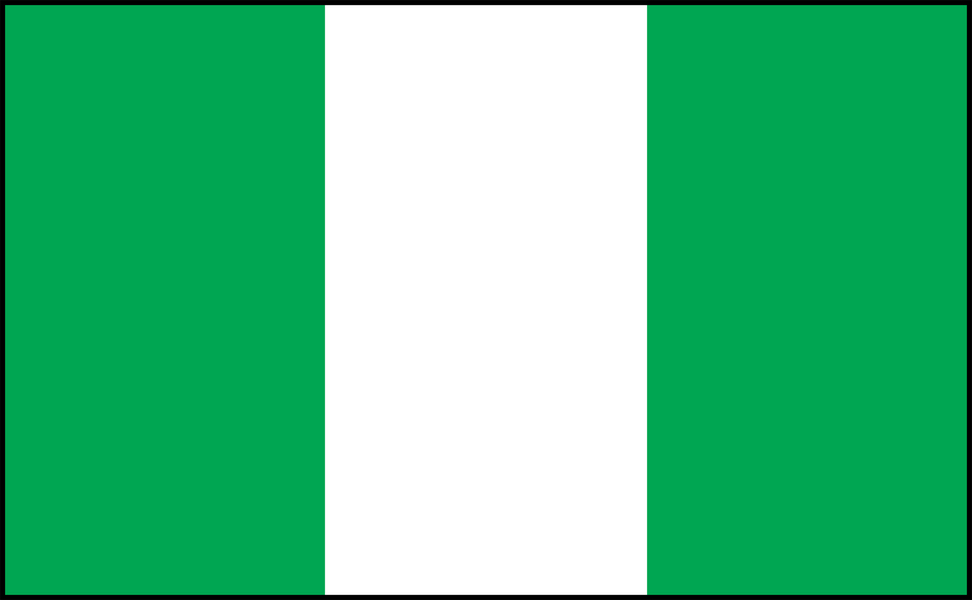
NigeriaNigeria is the most populous country in Africa, stretching from coastal rainforest to the northern Sahel. It has over 500 languages and Africa's largest economy.
Capital city
Abuja
Population
about 224,000,000
Area
923,768 km2
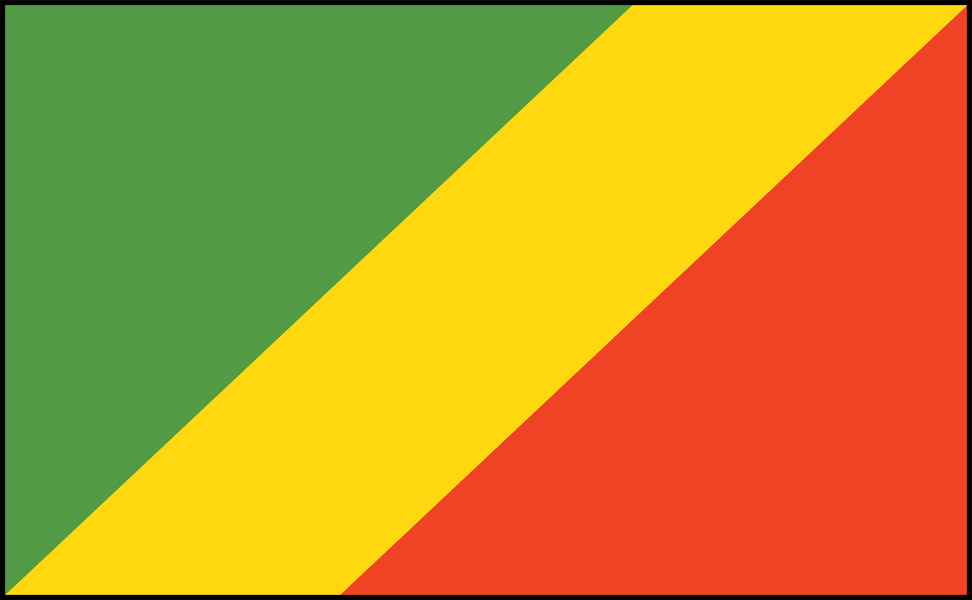
Republic of CongoThe Republic of Congo is a central African country largely covered by rainforest, with its capital facing Kinshasa across the Congo River.
Capital city
Brazzaville
Population
about 6,000,000
Area
342,000 km2
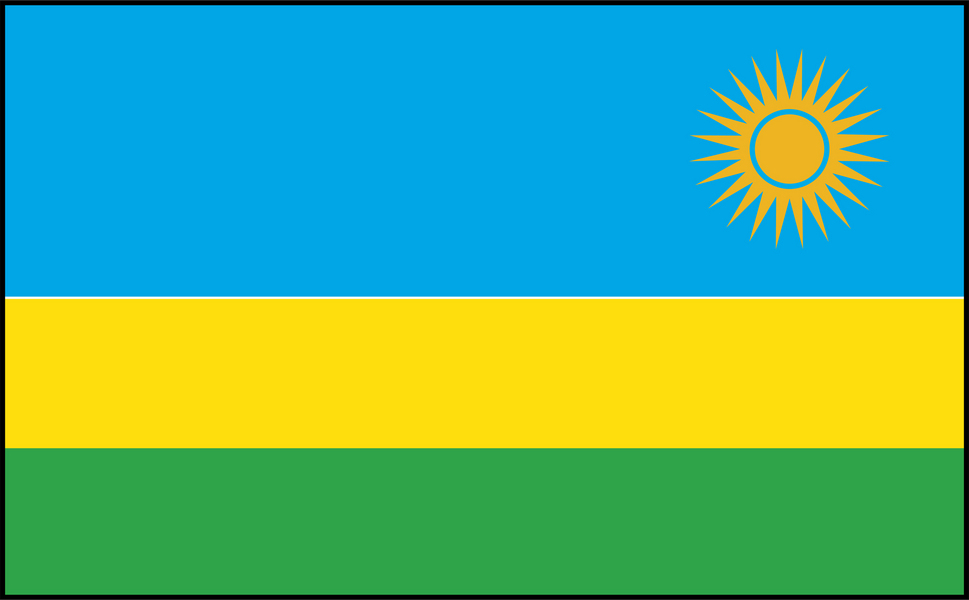
RwandaRwanda is a small, hilly, landlocked country in East Africa. Known as the land of a thousand hills, it is home to mountain gorillas in the Virunga volcanoes.
Capital city
Kigali
Population
about 14,000,000
Area
26,338 km2
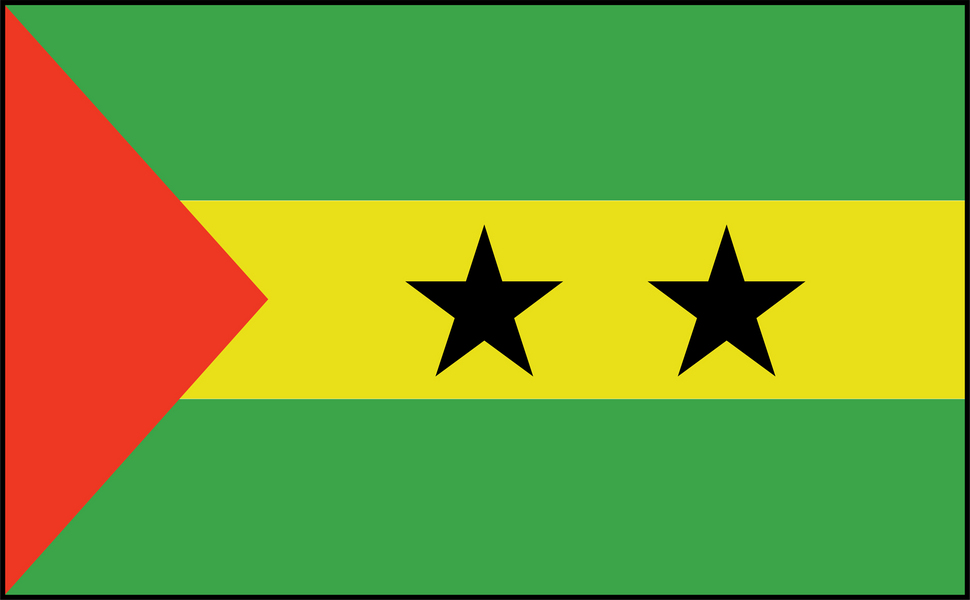
Sao Tome and PrincipeSao Tome and Principe is a two-island nation on the equator in the Gulf of Guinea, once the world's largest cocoa producer and now known for its rainforest wildlife.
Capital city
Sao Tome
Population
about 230,000
Area
964 km2
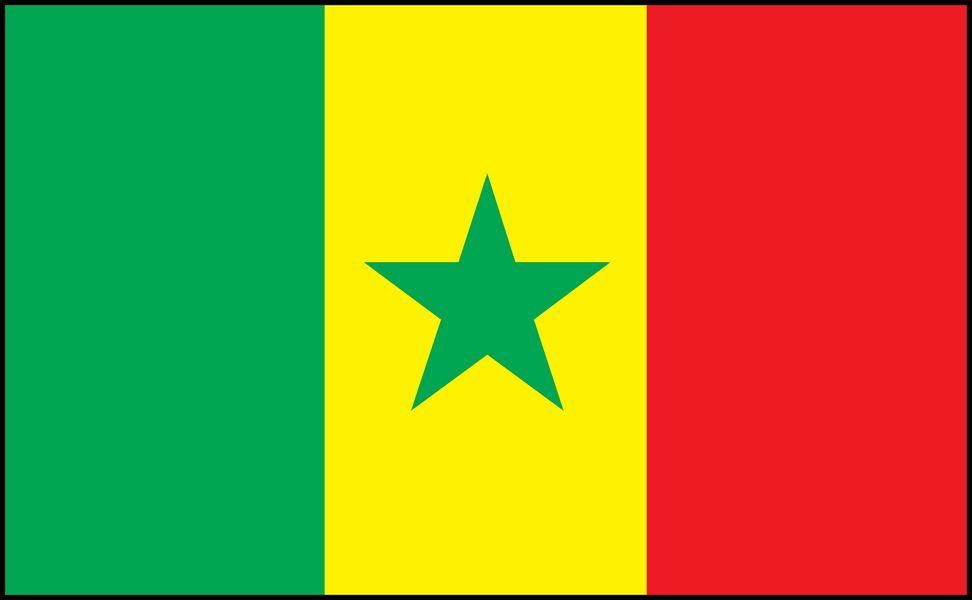
SenegalSenegal is the westernmost country in mainland Africa. It almost entirely surrounds The Gambia and is known for its music, wrestling and Atlantic coast.
Capital city
Dakar
Population
about 18,000,000
Area
196,722 km2
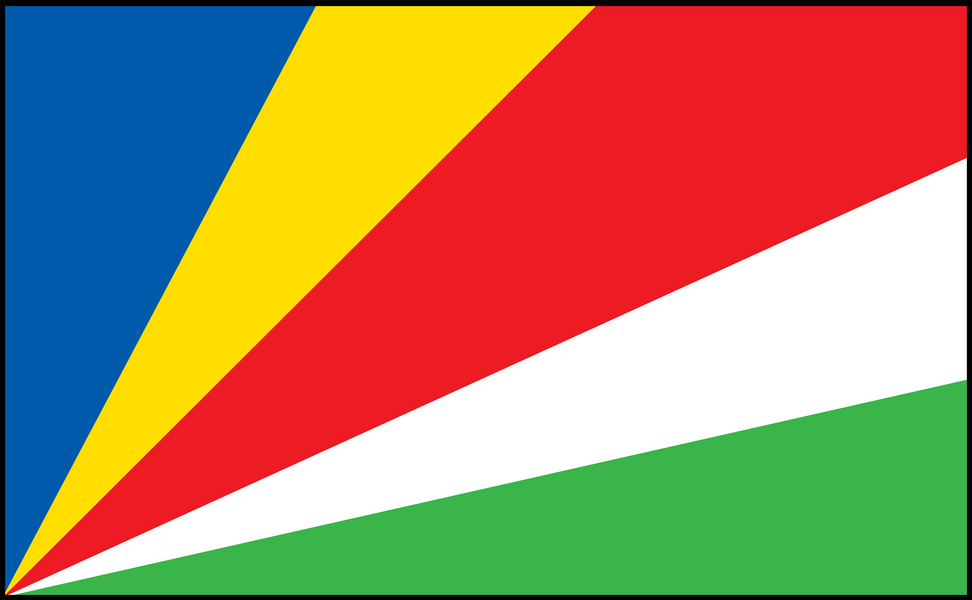
SeychellesSeychelles is an Indian Ocean nation of 115 islands, including rare granite islands, giant tortoises and the enormous coco de mer seed.
Capital city
Victoria
Population
about 100,000
Area
452 km2
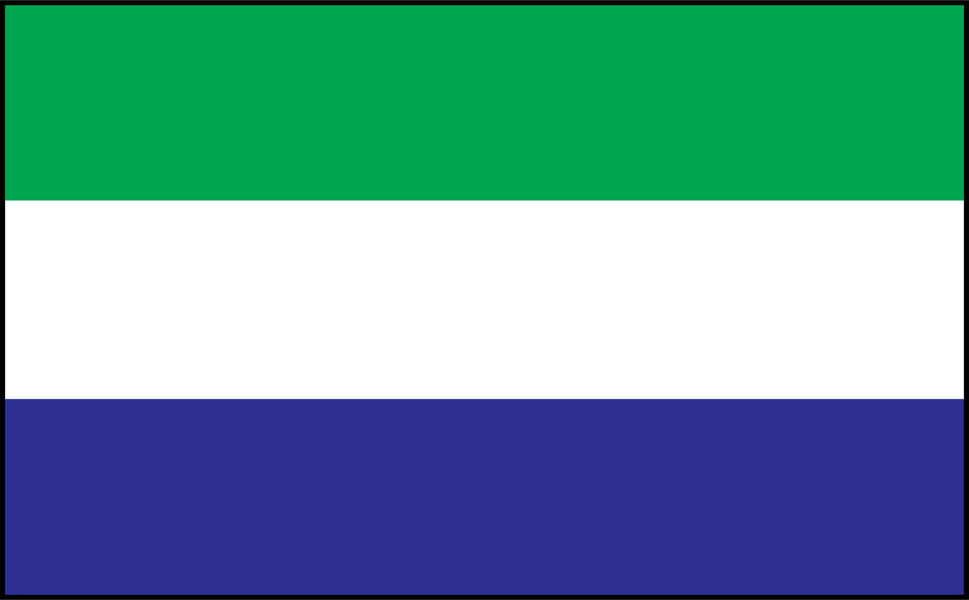
Sierra LeoneSierra Leone is a West African country with rainforest, highlands and one of the world's largest natural harbours at Freetown, founded for freed slaves.
Capital city
Freetown
Population
about 8,600,000
Area
71,740 km2
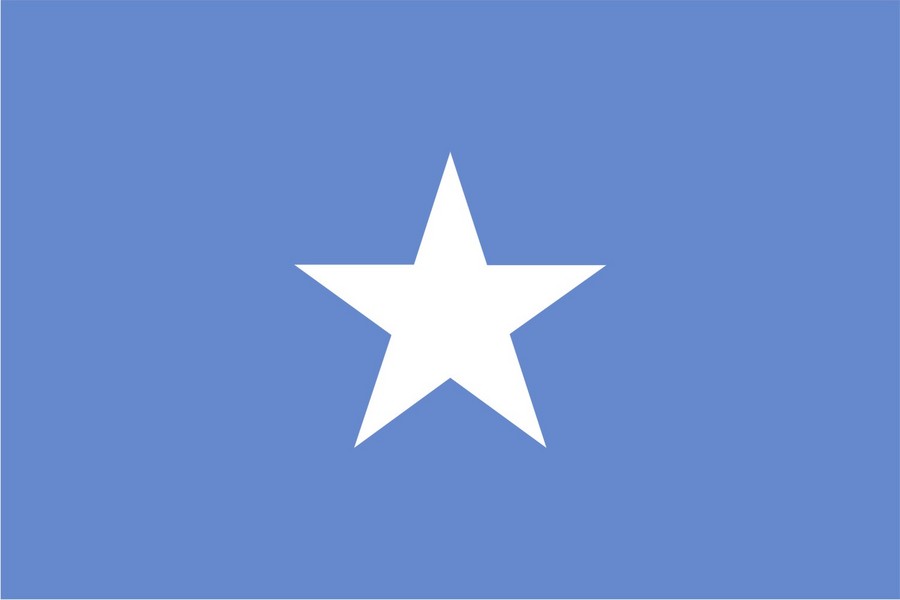
SomaliaSomalia occupies the Horn of Africa and has the longest coastline of any mainland African country, with a long tradition of camel herding and oral poetry.
Capital city
Mogadishu
Population
about 18,000,000
Area
637,657 km2
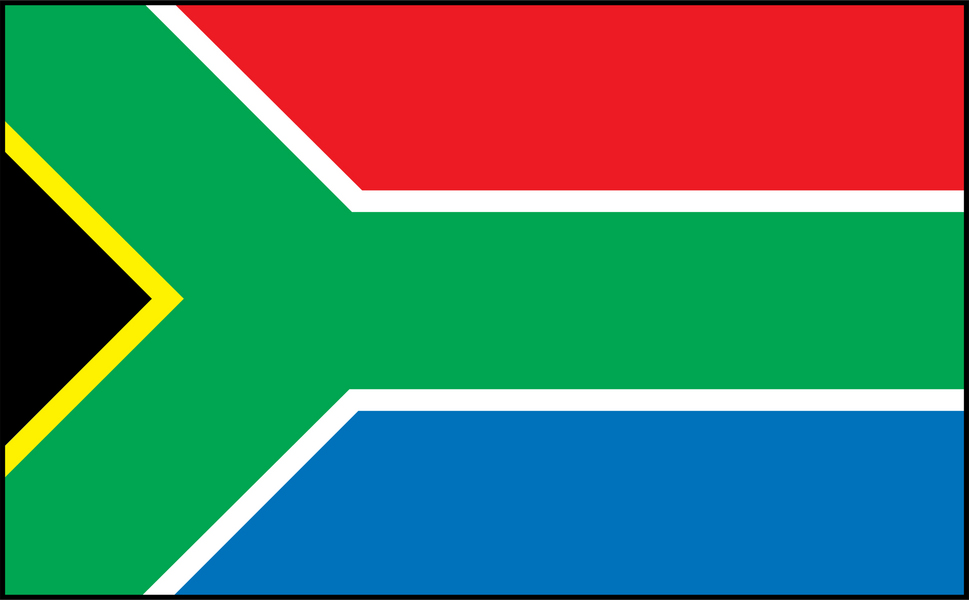
South AfricaSouth Africa sits at the southern tip of the continent, with three capital cities and twelve official languages. It ended apartheid and held its first democratic election in 1994.
Capital city
Pretoria (executive), Cape Town (legislative) and Bloemfontein (judicial)
Population
about 61,000,000
Area
1,221,040 km2
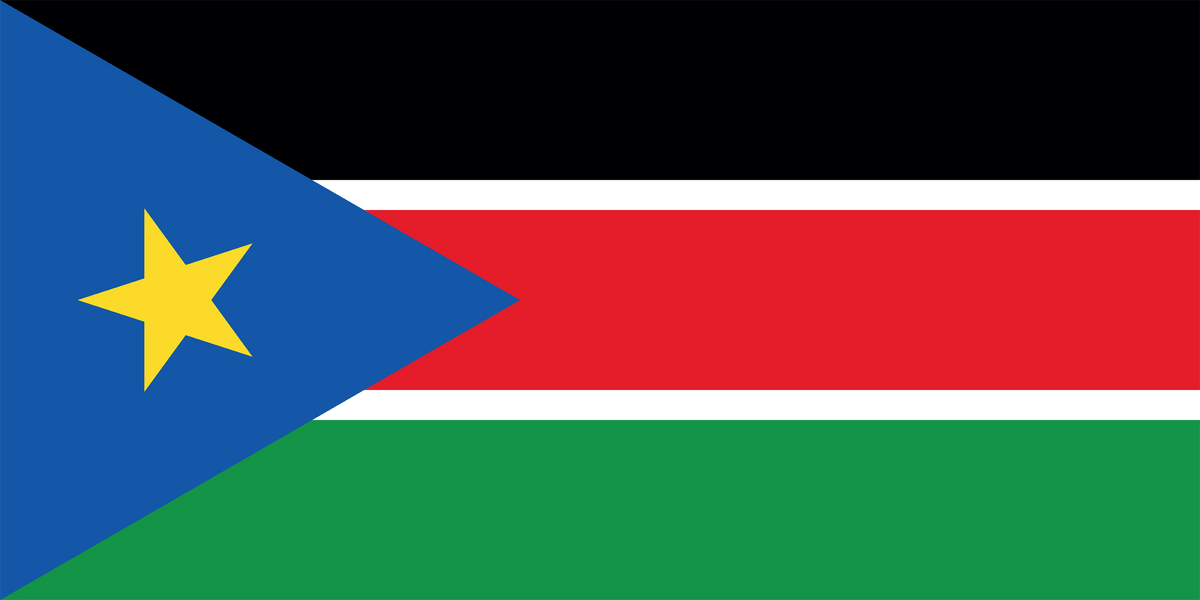
South SudanSouth Sudan is the world's newest country, independent since 2011. It is landlocked, crossed by the White Nile, and contains the vast Sudd wetland.
Capital city
Juba
Population
about 11,000,000
Area
619,745 km2
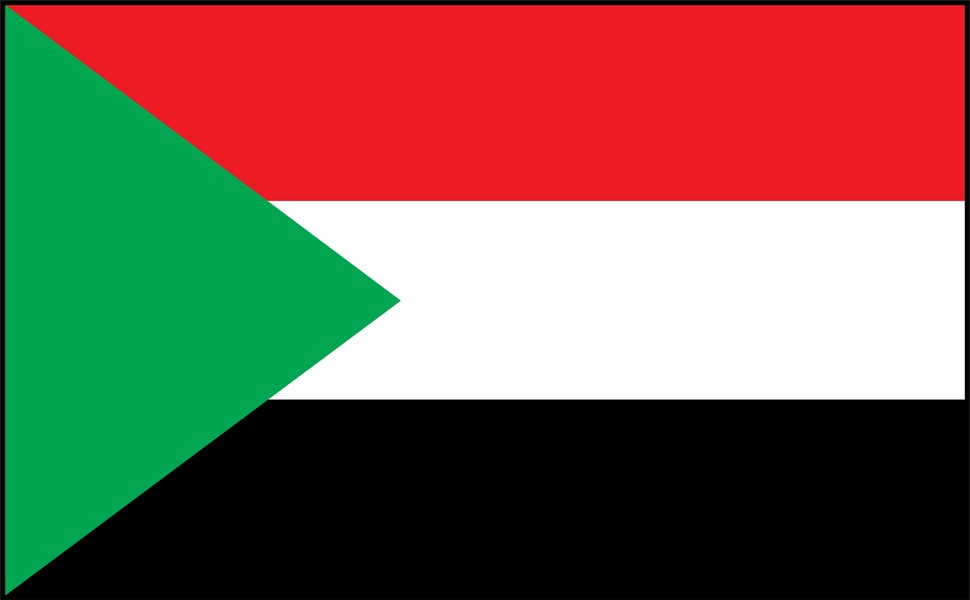
SudanSudan is a large north-east African country where the Blue and White Nile meet. It contains around 200 ancient pyramids built by the kingdom of Kush.
Capital city
Khartoum
Population
about 48,000,000
Area
1,861,480 km2
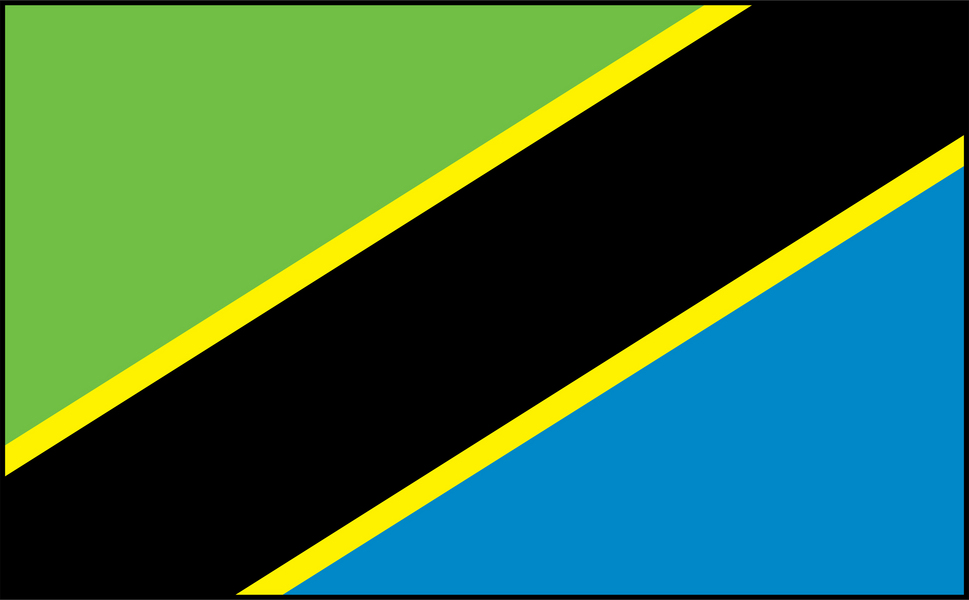
TanzaniaTanzania is an East African country containing Mount Kilimanjaro, the Serengeti, Ngorongoro Crater and the island of Zanzibar.
Capital city
Dodoma
Population
about 67,000,000
Area
945,087 km2
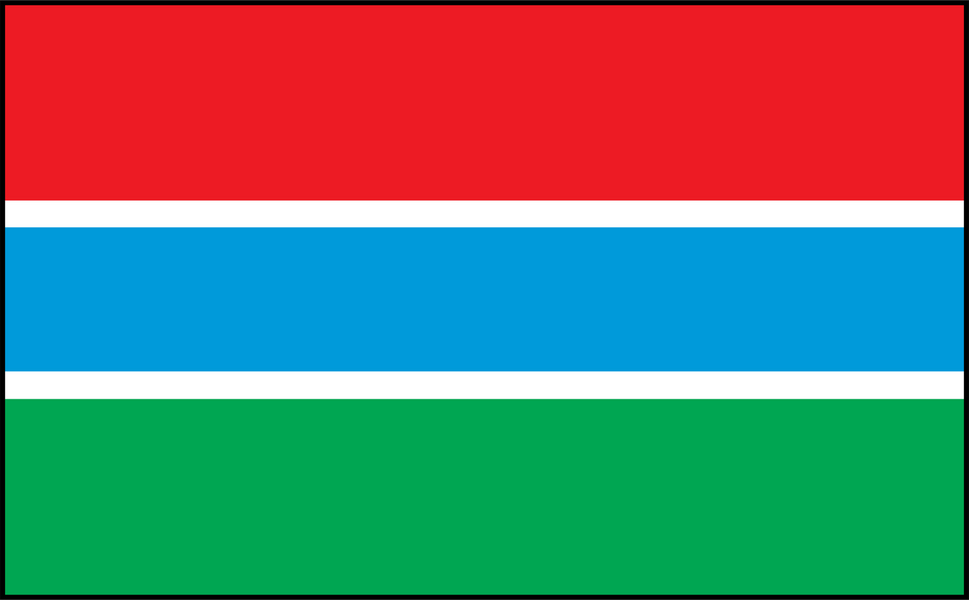
The GambiaThe Gambia is the smallest country on mainland Africa, a narrow strip following the Gambia River and almost entirely surrounded by Senegal.
Capital city
Banjul
Population
about 2,800,000
Area
11,295 km2
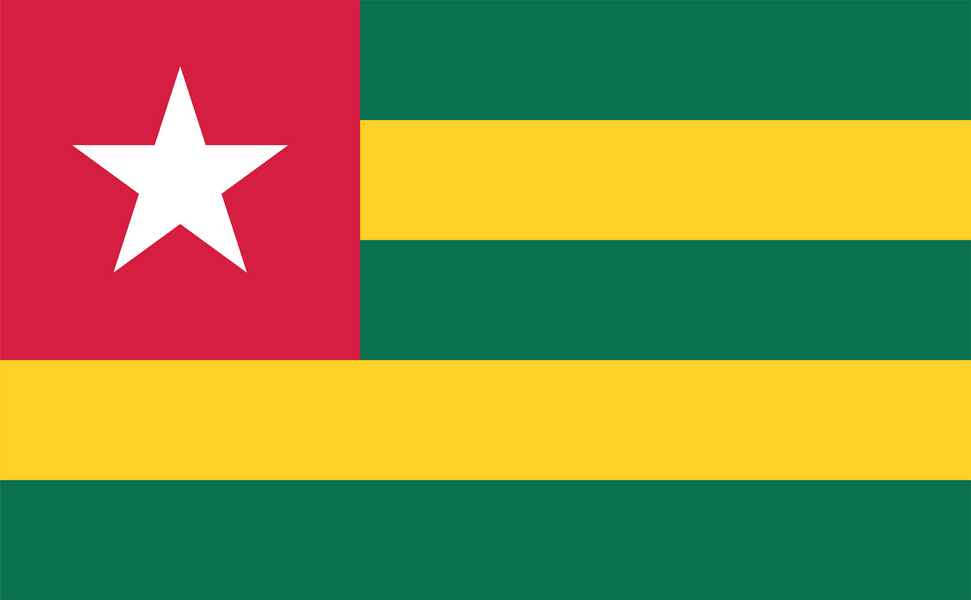
TogoTogo is a long, narrow West African country running from a short Atlantic coast to northern savannah, known for its tower-house villages and phosphate mining.
Capital city
Lome
Population
about 9,000,000
Area
56,785 km2
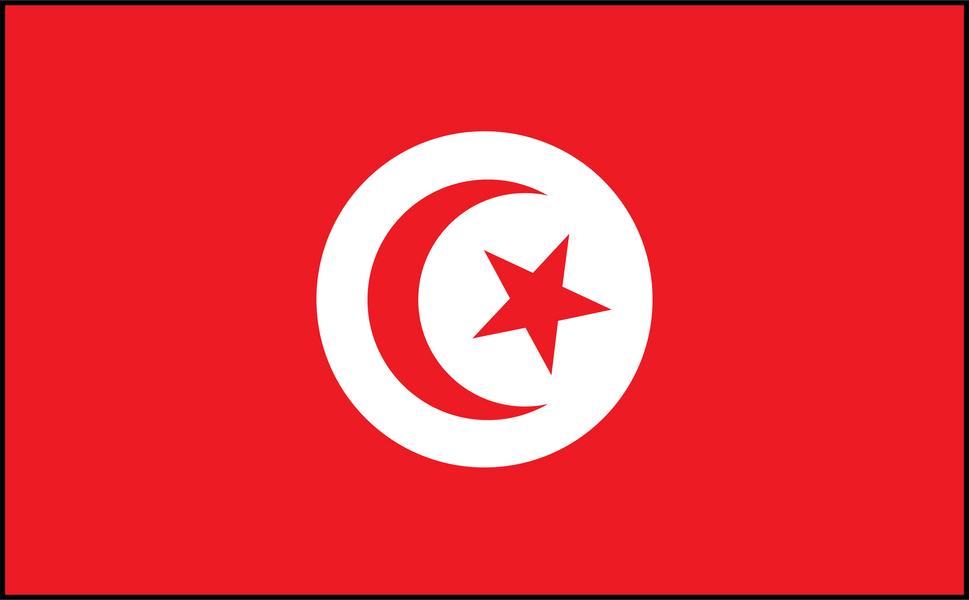
TunisiaTunisia is the northernmost country in Africa, with a Mediterranean coast, Atlas mountains and Sahara desert, and the ancient ruins of Carthage.
Capital city
Tunis
Population
about 12,500,000
Area
163,610 km2
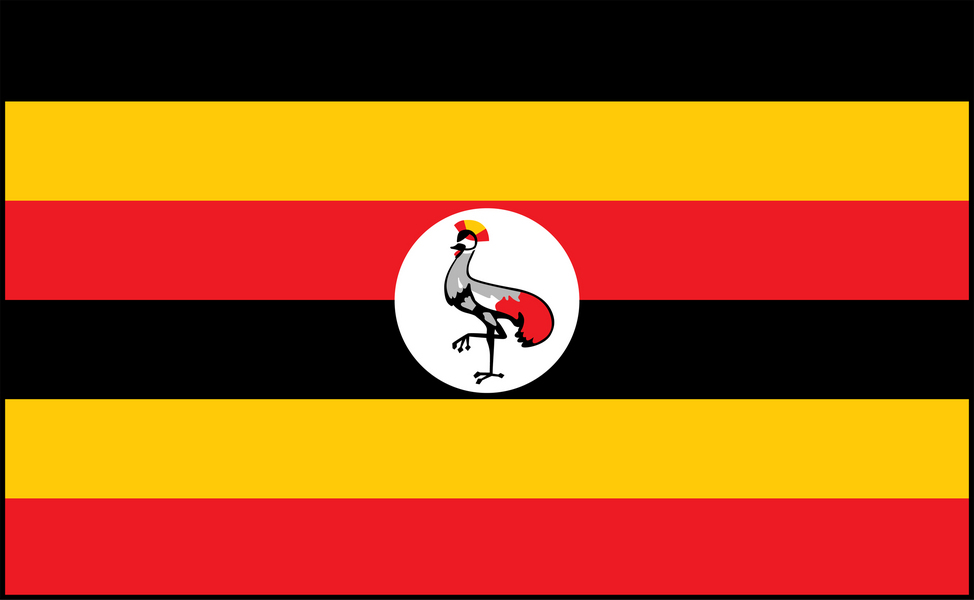
UgandaUganda is a landlocked East African country on the equator, home to around half the world's mountain gorillas and the source of the White Nile.
Capital city
Kampala
Population
about 48,000,000
Area
241,550 km2
ZambiaZambia is a landlocked southern African country on a high plateau, sharing Victoria Falls with Zimbabwe and known for its copper mining and wildlife parks.
Capital city
Lusaka
Population
about 20,000,000
Area
752,612 km2
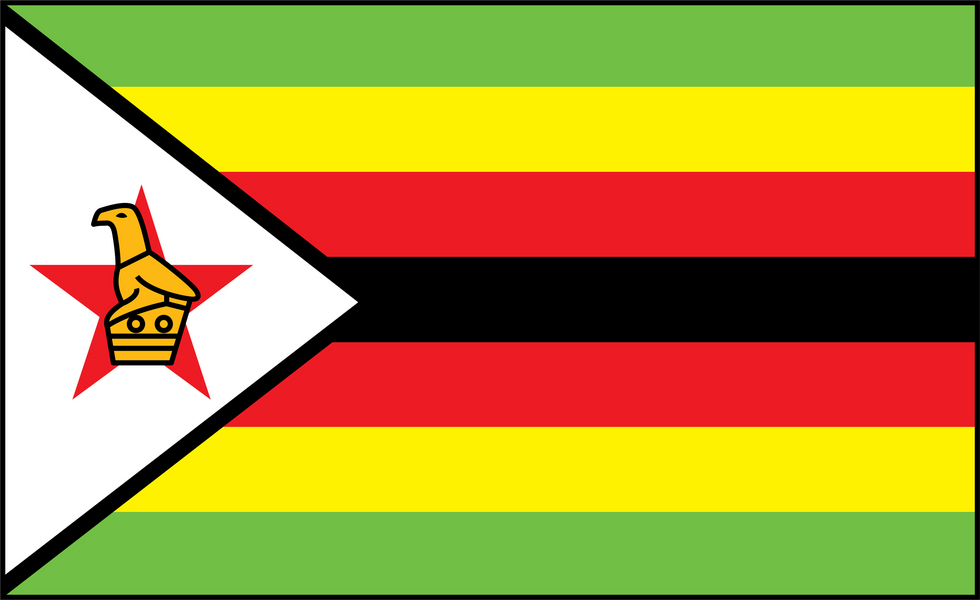
ZimbabweZimbabwe is a landlocked southern African country on a high plateau, sharing Victoria Falls with Zambia and containing the stone ruins of Great Zimbabwe.
Capital city
Harare
Population
about 16,000,000
Area
390,757 km2
Play this interactively at www.factsmania.org/countries/africa