Asia is the largest and most populous continent on Earth. It covers about 44,580,000 km2 (17.2 million square miles), almost a third of Earth’s total land area, and is home to roughly 4.7 billion people, which is around 60% of the world’s population. Asia contains 48 sovereign countries, including the world’s two most populous (China and India, each with over a billion people).
Where is Asia?
Asia stretches from the Arctic Ocean in the north to the Indian Ocean in the south, and from the Mediterranean and Red Seas in the west to the Pacific Ocean in the east. It shares its land border with Europe along the Ural Mountains and the Caspian Sea, and with Africa at the Suez isthmus.
Asian geography
Asia contains some of the planet’s most extreme landscapes. The Himalayas hold the world’s 14 highest peaks, topped by Mount Everest at 8,848 m. The Tibetan Plateau is the highest large plateau on Earth (“the roof of the world”). The Gobi Desert stretches across Mongolia and China; the Arabian Desert covers the Arabian Peninsula. The Dead Sea on the Israel, Jordan border is Earth’s lowest land point (about −430 m). Great rivers shape Asia’s civilisations: the Yangtze and Yellow rivers in China, the Ganges and Indus in South Asia, the Mekong in Southeast Asia, the Tigris and Euphrates in the Middle East.
Regions of Asia
Asia is normally divided into five regions:
East Asia, China, Japan, North Korea, South Korea, Mongolia, Taiwan.
South Asia, India, Pakistan, Bangladesh, Nepal, Bhutan, Sri Lanka, the Maldives, Afghanistan.
Southeast Asia, Thailand, Vietnam, Indonesia, the Philippines, Malaysia, Singapore, Cambodia, Laos, Myanmar, Brunei, East Timor.
Central Asia, Kazakhstan, Uzbekistan, Turkmenistan, Tajikistan, Kyrgyzstan.
West Asia (the Middle East), Saudi Arabia, Iran, Iraq, Turkey, Israel, Jordan, Lebanon, Syria, Yemen, the United Arab Emirates, Qatar, Bahrain, Oman, Kuwait, Cyprus, Armenia, Azerbaijan, Georgia.
People, languages, and religions
Asia is the birthplace of every major world religion: Hinduism, Buddhism, Judaism, Christianity, Islam, and Sikhism all began on Asian soil. Major languages include Mandarin Chinese (the most-spoken first language on Earth), Hindi, Arabic, Bengali, Russian, Japanese, Korean, Indonesian, Urdu, Vietnamese, Turkish, and Tamil. Asia’s cultures have been shaped by ancient civilisations including those of Mesopotamia, the Indus Valley, China, and Persia.
Famous landmarks
Asia is studded with world-famous sites: the Great Wall of China, the Taj Mahal in India, Angkor Wat in Cambodia, Mount Fuji in Japan, Petra in Jordan, the Forbidden City in Beijing, the Burj Khalifa in Dubai (the world’s tallest building), the Terracotta Army near Xi’an, and the temples of Bagan, Kyoto, and Bangkok.
Explore Asian countries
Choose any of Asia’s 48 countries below for its full Factsmania fact file.
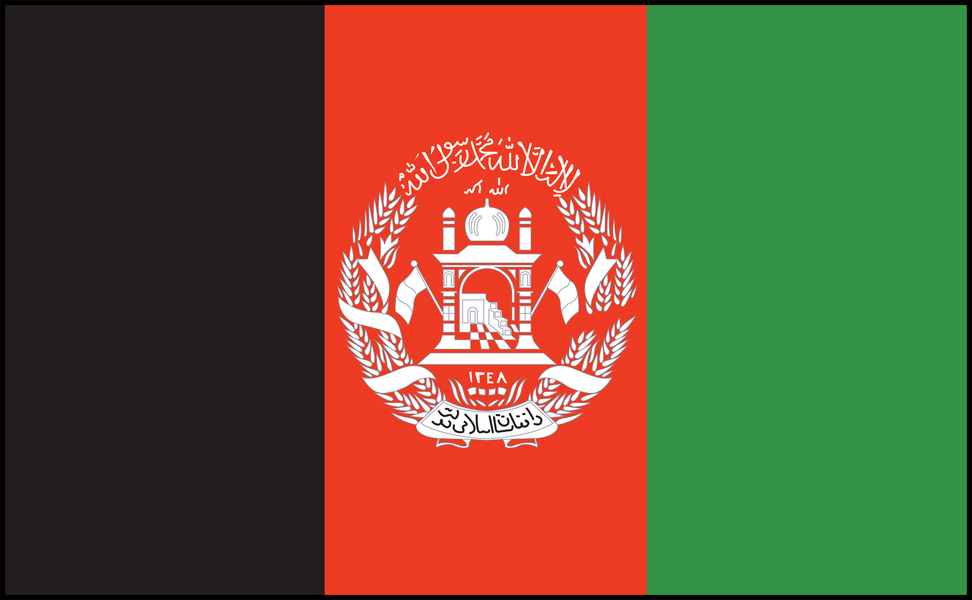
AfghanistanAfghanistan is a landlocked, mountainous country in Central Asia dominated by the Hindu Kush range, long positioned at a crossroads of trade and empire.
Capital city
Kabul
Population
about 42,000,000
Area
652,090 km2
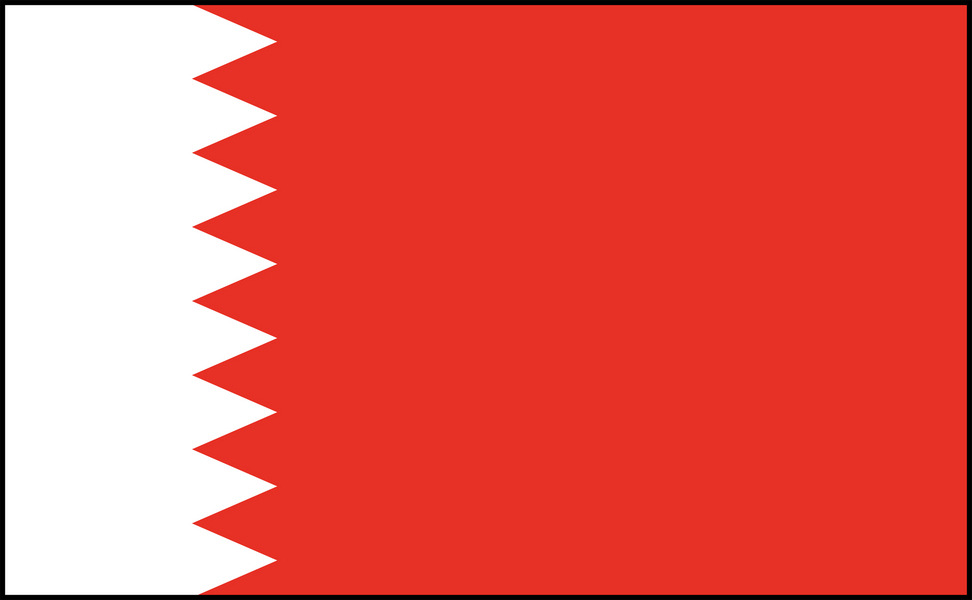
BahrainBahrain is a small Gulf archipelago of around 33 islands, the first Gulf state to find oil and now a banking and services centre.
Capital city
Manama
Population
about 1,500,000
Area
758 km2
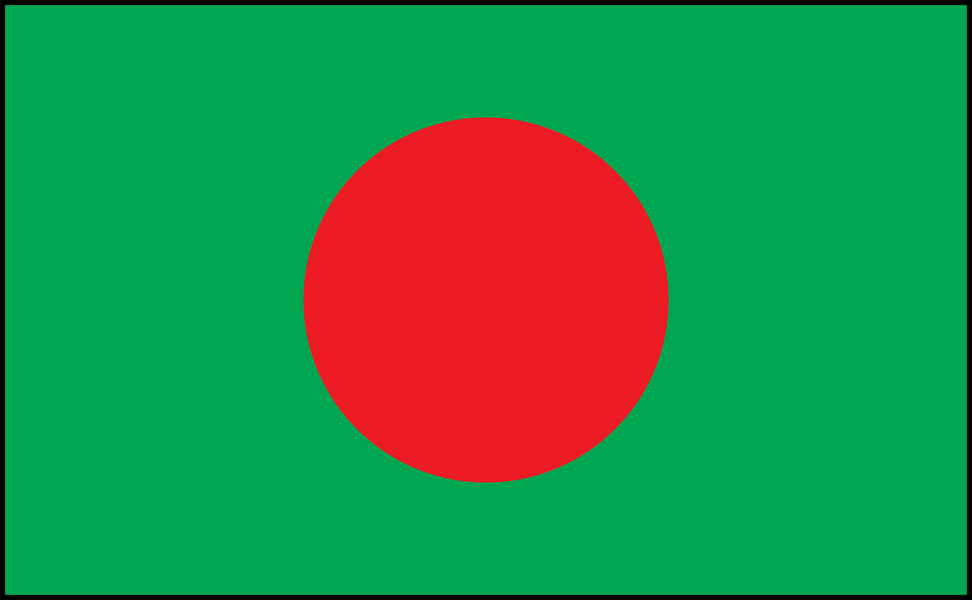
BangladeshBangladesh sits on the world's largest river delta in South Asia. It is one of the most densely populated countries and home to the Sundarbans mangrove forest.
Capital city
Dhaka
Population
about 173,000,000
Area
143,998 km2
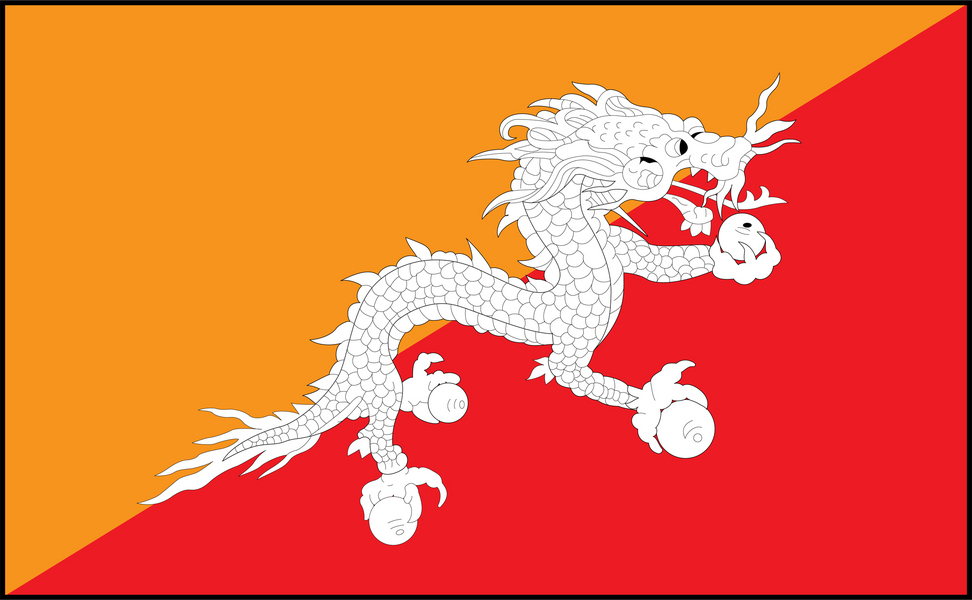
BhutanBhutan is a small Himalayan kingdom that measures progress by Gross National Happiness. Around 70 per cent forested, it is the only carbon-negative country on Earth.
Capital city
Thimphu
Population
about 790,000
Area
38,394 km2
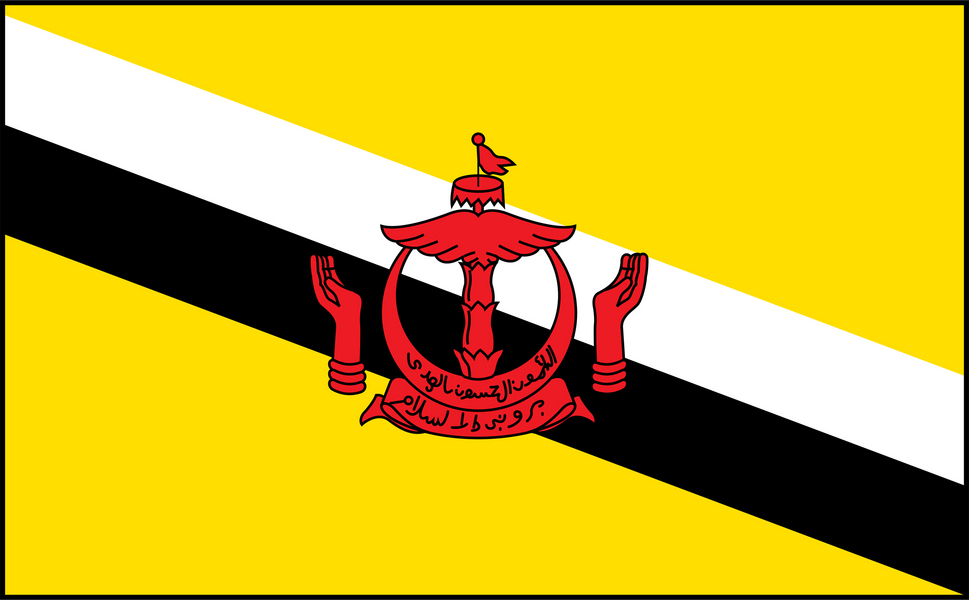
BruneiBrunei is a small, oil-rich sultanate on the north coast of Borneo, most of which is still covered in rainforest.
Capital city
Bandar Seri Begawan
Population
about 460,000
Area
5,765 km2
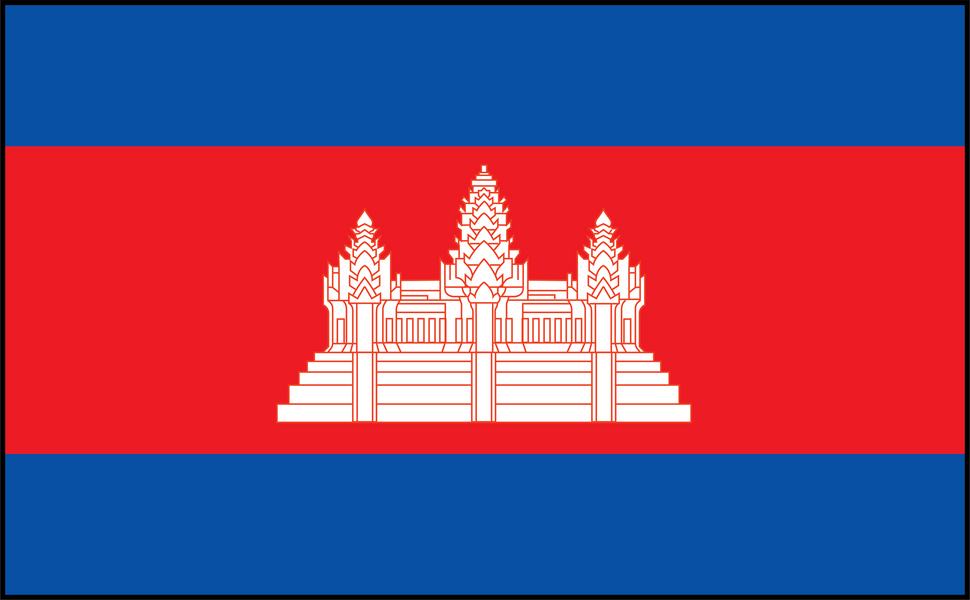
CambodiaCambodia is a Southeast Asian country on the Mekong River, home to Angkor Wat and the Tonle Sap lake, which reverses its flow each monsoon.
Capital city
Phnom Penh
Population
about 17,000,000
Area
181,035 km2
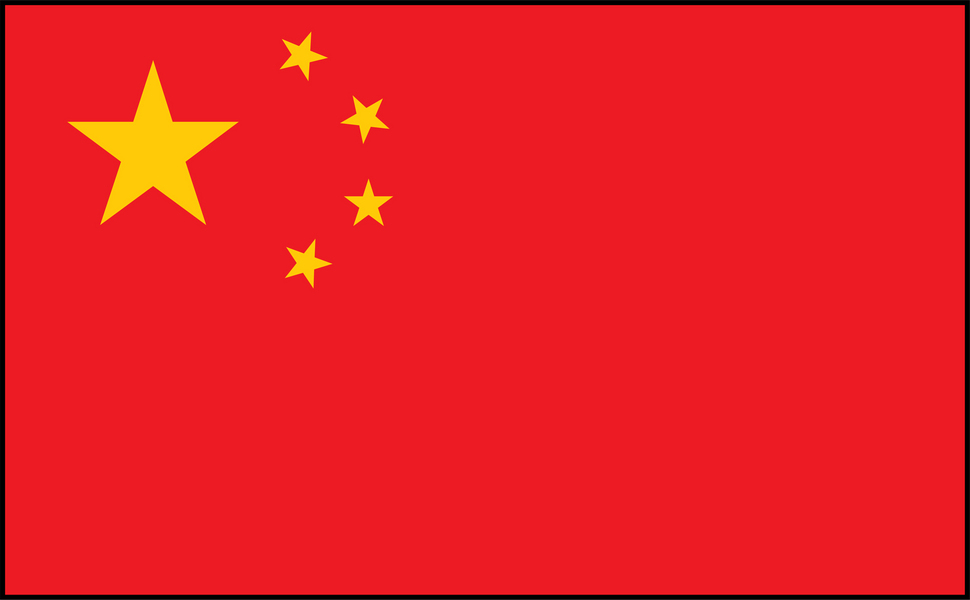
ChinaChina is the most populous country in the world and the fourth largest by area. It has one of the oldest continuous civilisations and the largest manufacturing economy on Earth.
Capital city
Beijing
Population
about 1,410,000,000
Area
9,598,000 km2
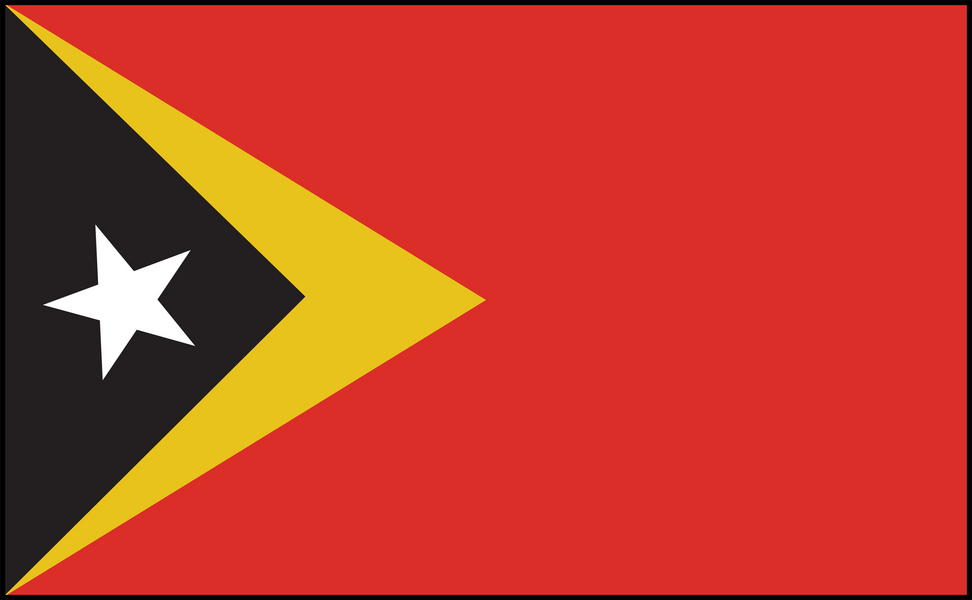
East TimorEast Timor occupies the eastern half of the island of Timor in Southeast Asia. It became fully independent in 2002, the first new country of the 21st century.
Capital city
Dili
Population
about 1,400,000
Area
14,874 km2
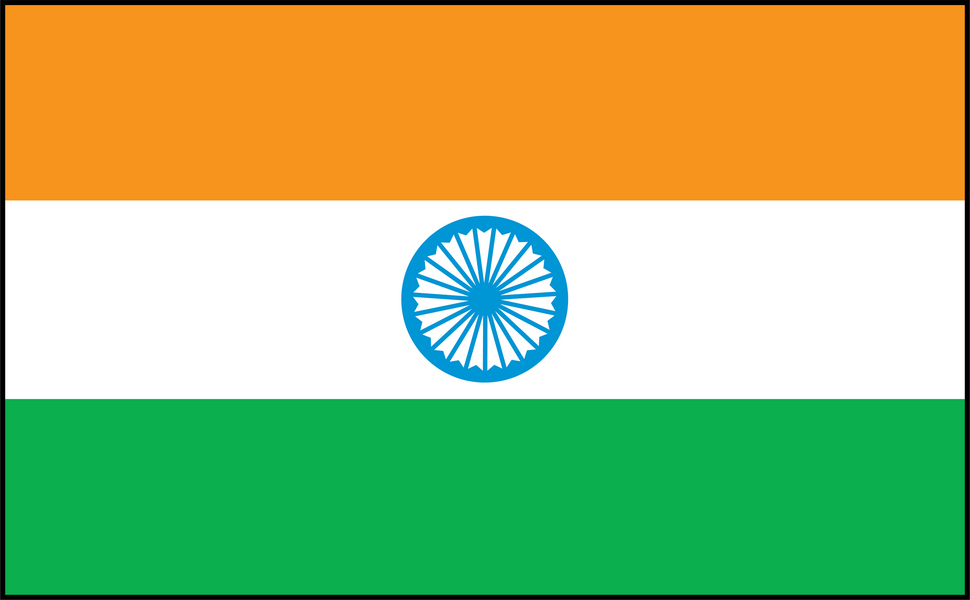
IndiaIndia is the most populous country in the world, a South Asian nation of enormous cultural and linguistic variety, walled off in the north by the Himalayas.
Capital city
New Delhi
Population
about 1,430,000,000
Area
3,287,260 km2
IndonesiaIndonesia is the largest archipelago in the world, made of over 17,000 islands. It is the fourth most populous country and has more active volcanoes than anywhere else.
Capital city
Jakarta (a new capital, Nusantara, is under construction)
Population
about 279,000,000
Area
1,904,569 km2
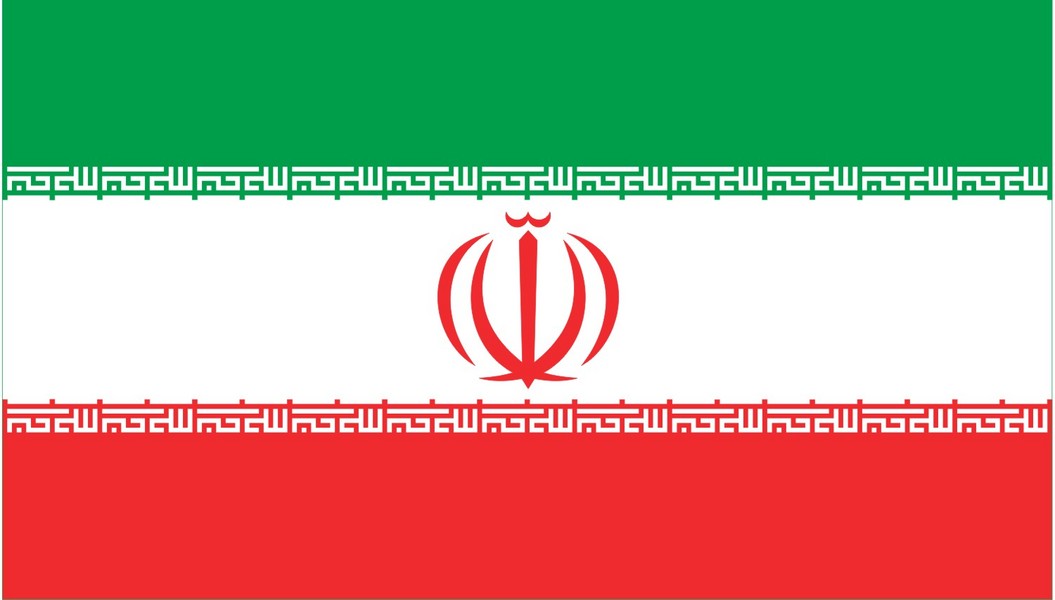
IranIran is a mountainous country in western Asia built around a high desert plateau. It was the centre of the Persian Empire and has a distinct language and culture.
Capital city
Tehran
Population
about 89,000,000
Area
1,648,200 km2
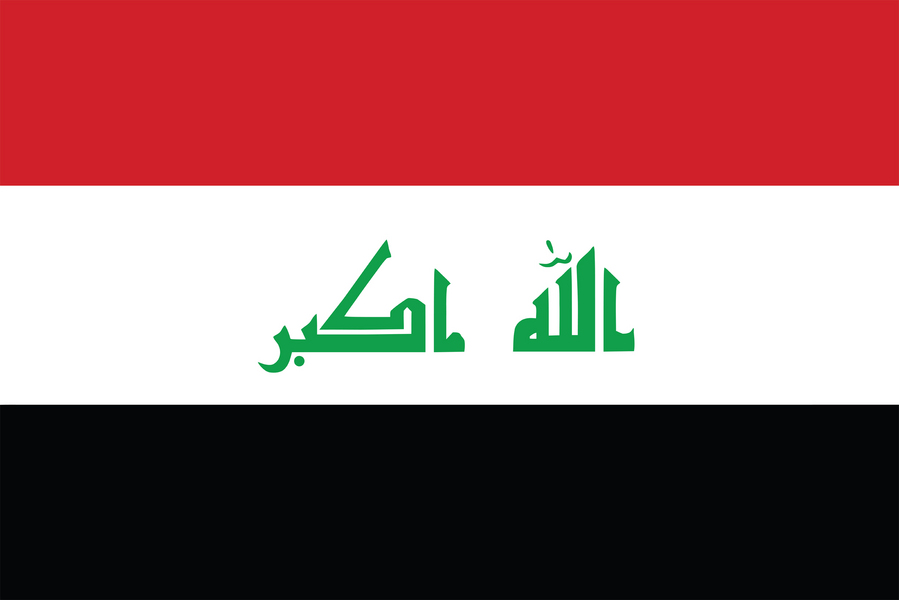
IraqIraq lies across ancient Mesopotamia, the land between the Tigris and Euphrates rivers where the first cities and the first writing system appeared.
Capital city
Baghdad
Population
about 45,000,000
Area
435,244 km2
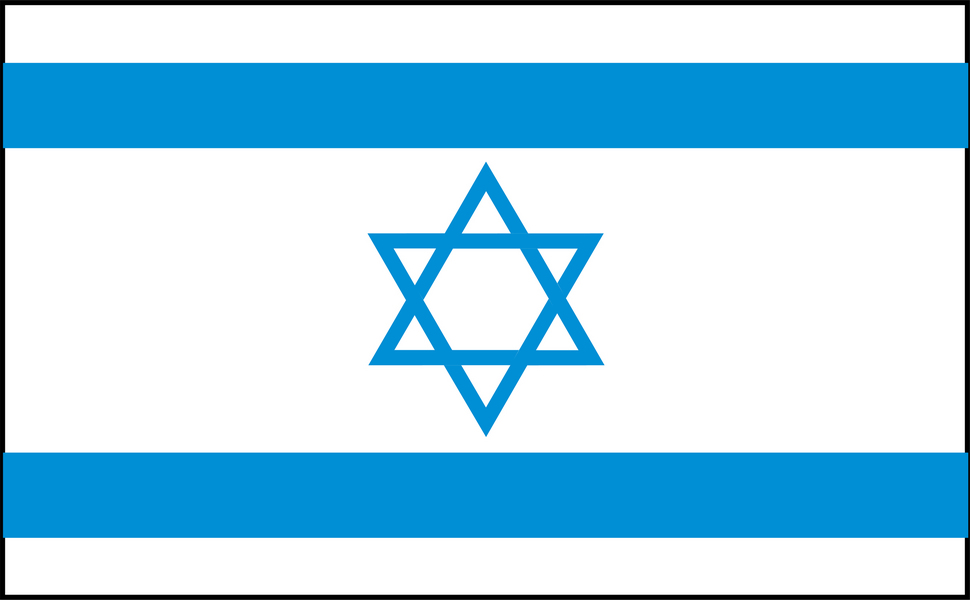
IsraelIsrael is a small country on the eastern Mediterranean, established in 1948. It contains the Dead Sea, the lowest land on Earth, and sites sacred to three religions.
Capital city
Jerusalem
Population
about 9,800,000
Area
22,072 km2
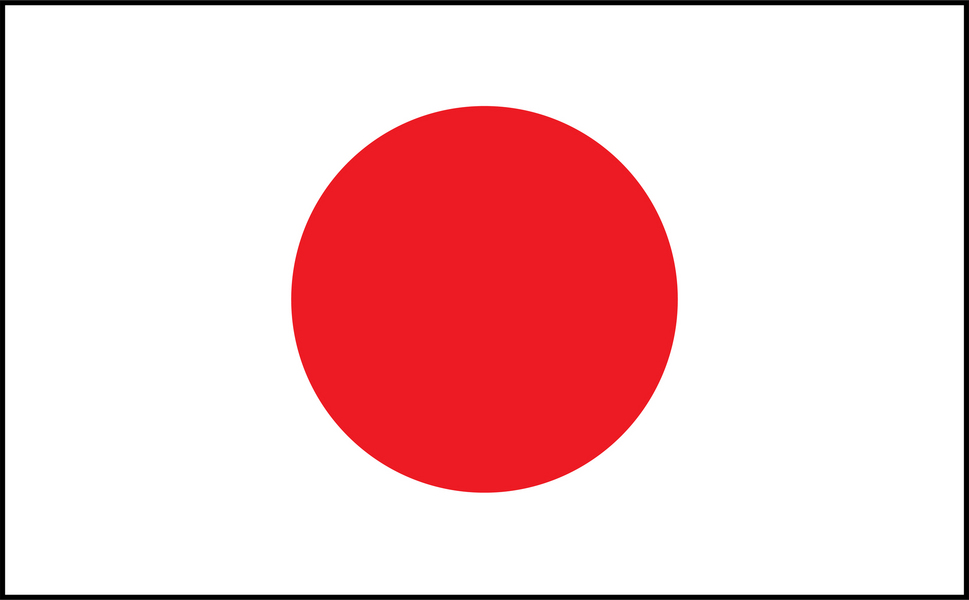
JapanJapan is an island country off the east coast of Asia, made up of over 14,000 islands. It is highly mountainous, volcanically active and one of the world's leading economies.
Capital city
Tokyo
Population
about 124,000,000
Area
377,975 km2
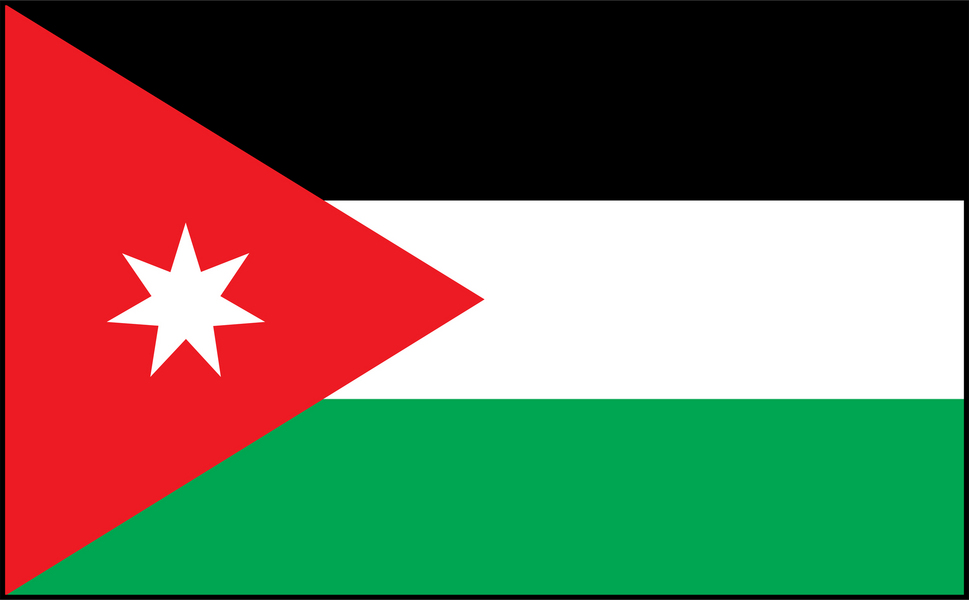
JordanJordan is a largely desert country in the Middle East, containing the rock-cut city of Petra, the Dead Sea shore and the sandstone desert of Wadi Rum.
Capital city
Amman
Population
about 11,500,000
Area
89,342 km2
KazakhstanKazakhstan is the world's largest landlocked country, a vast expanse of steppe and desert in Central Asia, and home to the Baikonur spaceport.
Capital city
Astana
Population
about 20,000,000
Area
2,724,900 km2
KuwaitKuwait is a small, flat desert country at the head of the Persian Gulf. Once a pearling and trading port, it became wealthy through oil in the 20th century.
Capital city
Kuwait City
Population
about 4,300,000
Area
17,818 km2
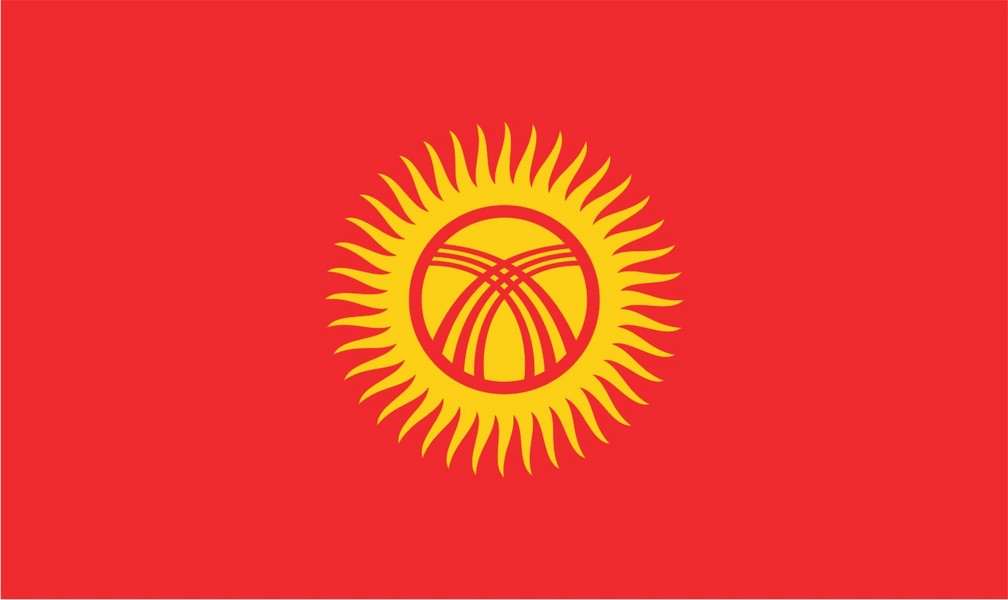
KyrgyzstanKyrgyzstan is a mountainous, landlocked Central Asian country covered by the Tian Shan range, with a strong surviving tradition of nomadic herding.
Capital city
Bishkek
Population
about 7,000,000
Area
199,951 km2
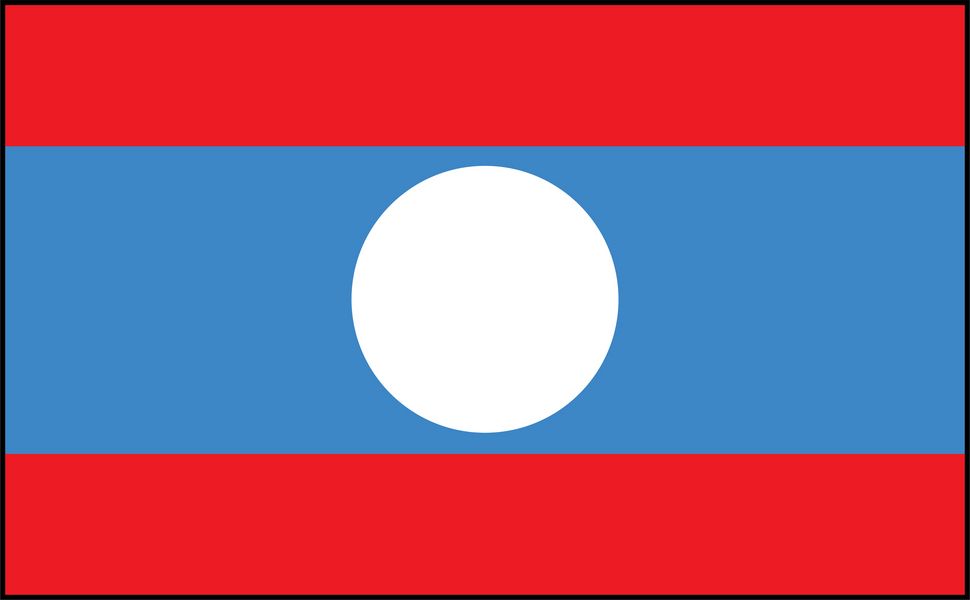
LaosLaos is the only landlocked country in Southeast Asia, mountainous and forested, with the Mekong River forming much of its western border.
Capital city
Vientiane
Population
about 7,700,000
Area
236,800 km2
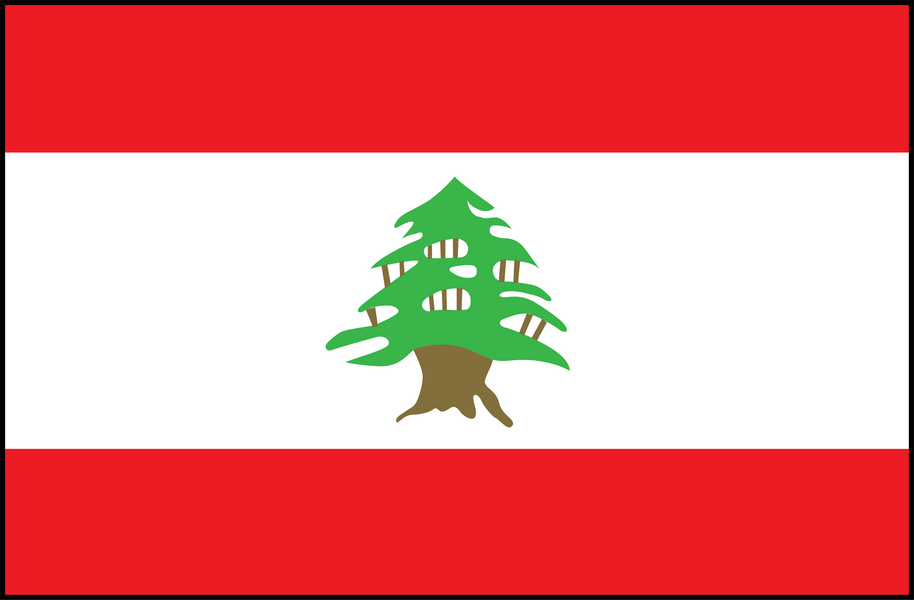
LebanonLebanon is a small mountainous country on the eastern Mediterranean, the only Middle Eastern nation with no desert, famous for its ancient cedar trees.
Capital city
Beirut
Population
about 5,400,000
Area
10,452 km2
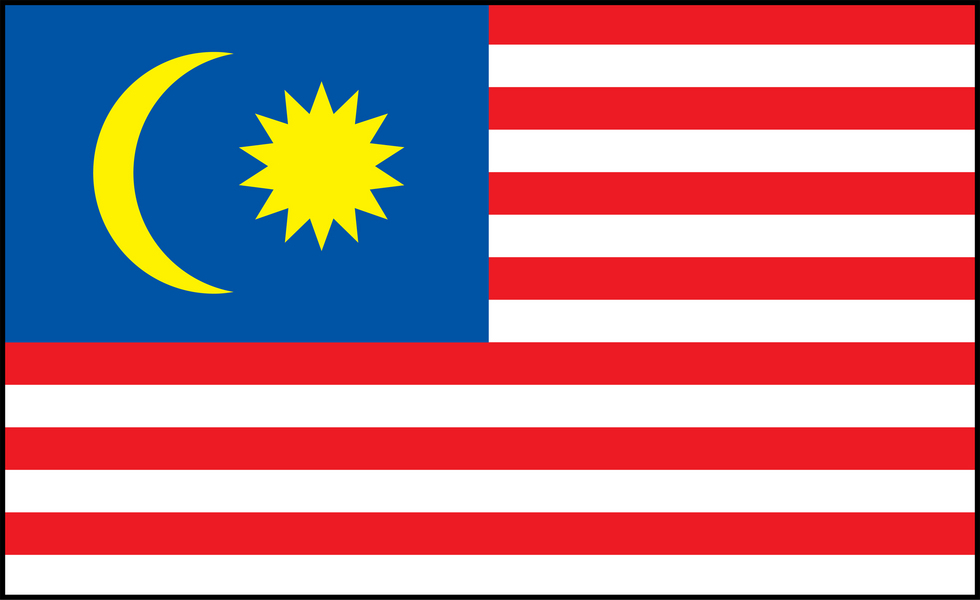
MalaysiaMalaysia is a Southeast Asian country split between the Malay Peninsula and northern Borneo, with some of the oldest rainforest in the world.
Capital city
Kuala Lumpur
Population
about 34,000,000
Area
330,803 km2
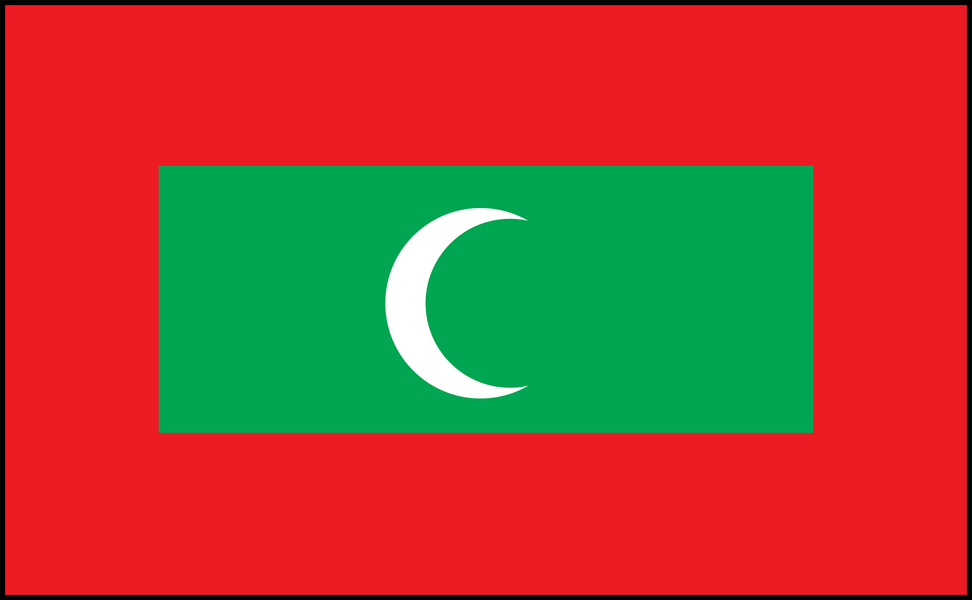
MaldivesThe Maldives is a nation of around 1,190 coral islands in the Indian Ocean. It is the lowest-lying country in the world and highly vulnerable to rising sea levels.
Capital city
Malé
Population
about 520,000
Area
298 km2
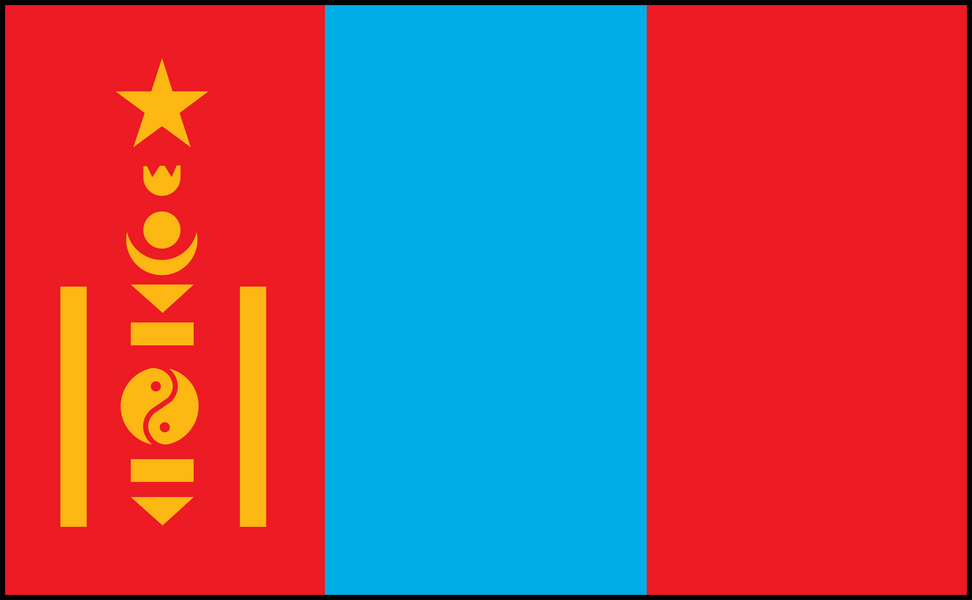
MongoliaMongolia is a vast, landlocked country of steppe, mountains and the Gobi Desert between Russia and China. It is the least densely populated country in the world.
Capital city
Ulaanbaatar
Population
about 3,500,000
Area
1,564,100 km2
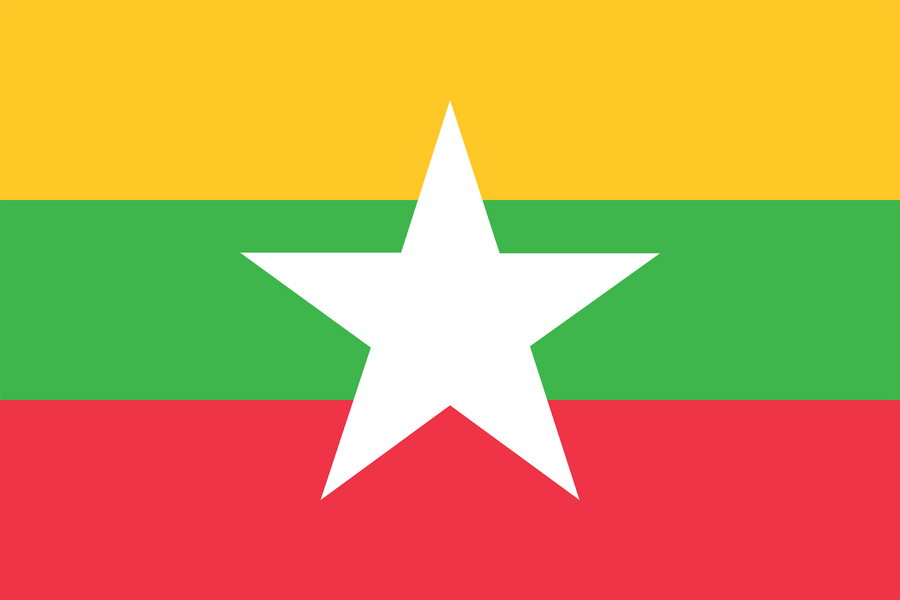
MyanmarMyanmar is the largest country in mainland Southeast Asia, built around the Irrawaddy River, with the ancient temple plain of Bagan at its heart.
Capital city
Naypyidaw
Population
about 55,000,000
Area
676,578 km2
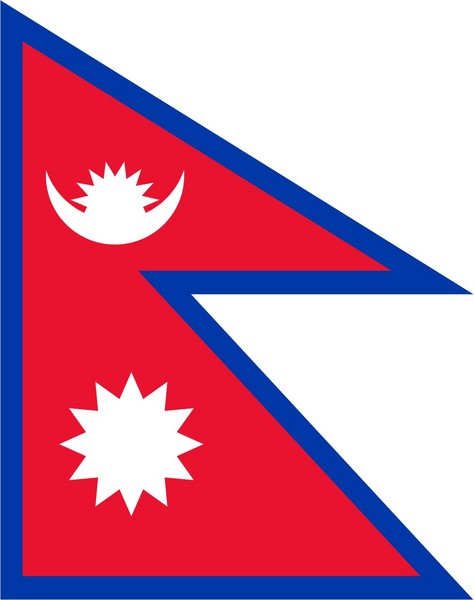
NepalNepal is a Himalayan country between India and China, rising from tropical lowland to Mount Everest. It has the only non-rectangular national flag in the world.
Capital city
Kathmandu
Population
about 30,000,000
Area
147,181 km2
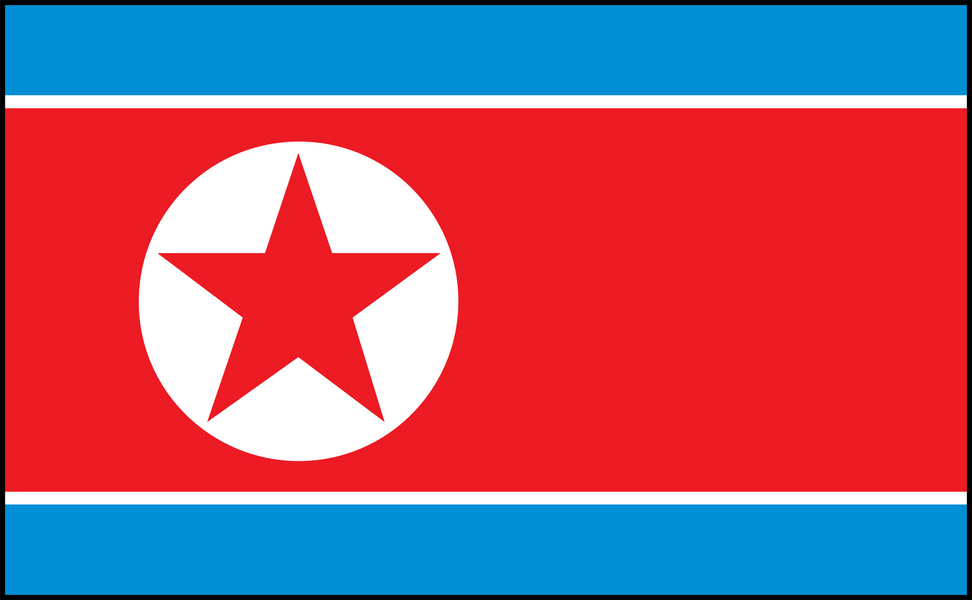
North KoreaNorth Korea occupies the northern half of the Korean Peninsula. It is the world's most closed country, ruled since 1948 by three generations of one family.
Capital city
Pyongyang
Population
about 26,000,000
Area
120,540 km2
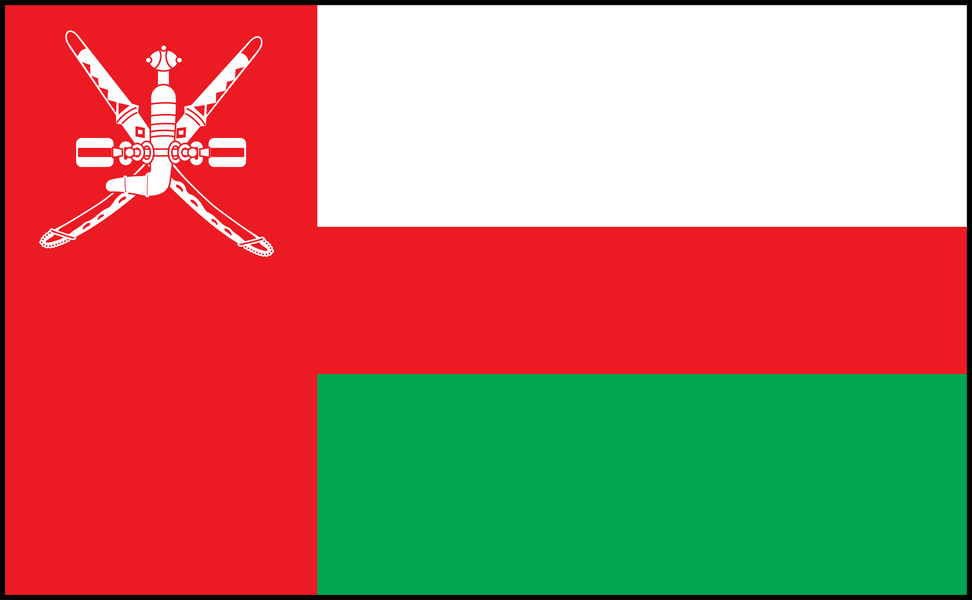
OmanOman occupies the eastern Arabian Peninsula, with rugged mountains, desert and a long coastline. It has a long history of seafaring and frankincense trade.
Capital city
Muscat
Population
about 5,200,000
Area
309,500 km2
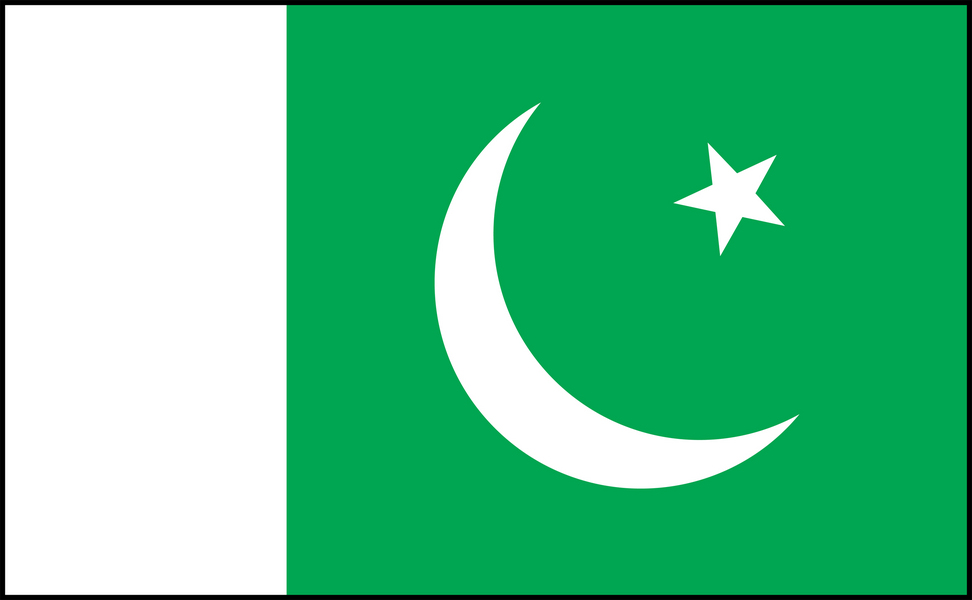
PakistanPakistan is a South Asian country running from the Arabian Sea to the Himalaya, Karakoram and Hindu Kush mountains, with the Indus River as its lifeline.
Capital city
Islamabad
Population
about 240,000,000
Area
881,913 km2
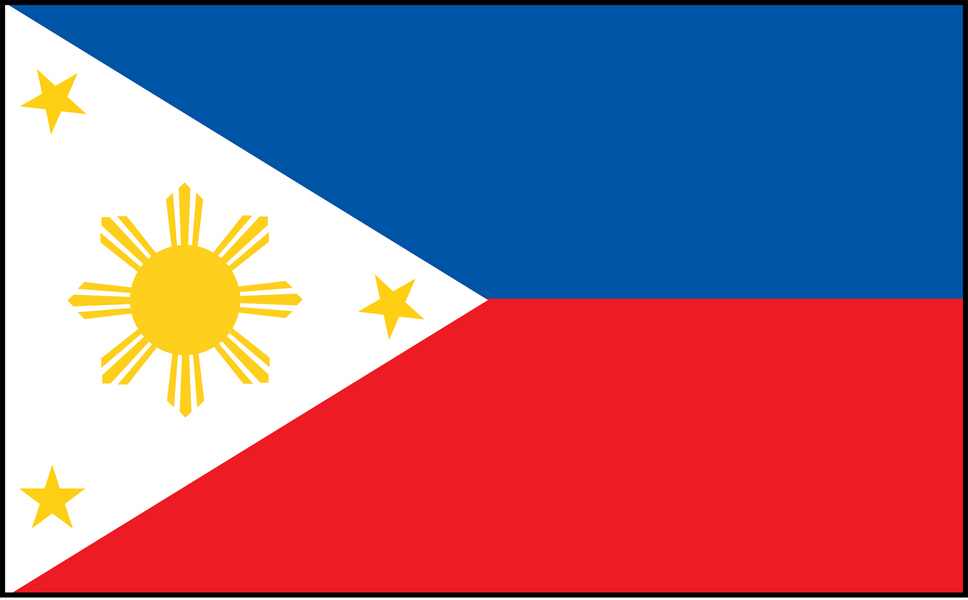
PhilippinesThe Philippines is an archipelago of 7,641 islands in the western Pacific. It is volcanically active, hit by around 20 typhoons a year, and rich in marine life.
Capital city
Manila
Population
about 117,000,000
Area
300,000 km2
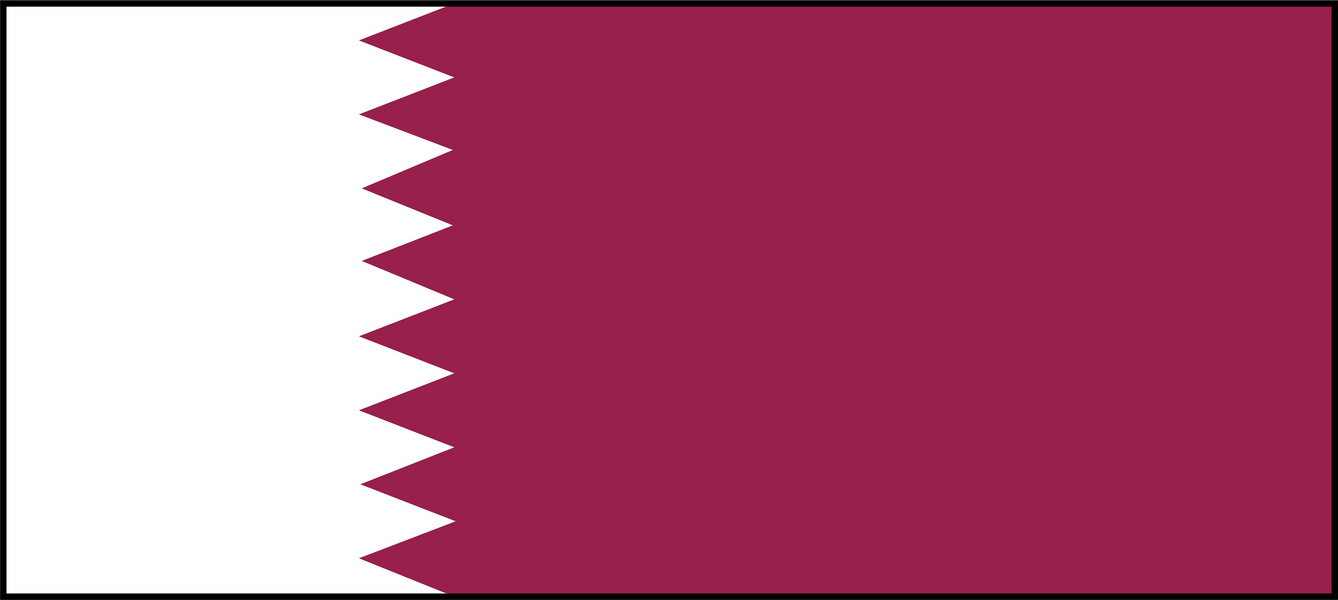
QatarQatar is a small desert peninsula in the Persian Gulf. Enormous natural gas reserves made it one of the wealthiest countries in the world per person.
Capital city
Doha
Population
about 3,000,000
Area
11,586 km2
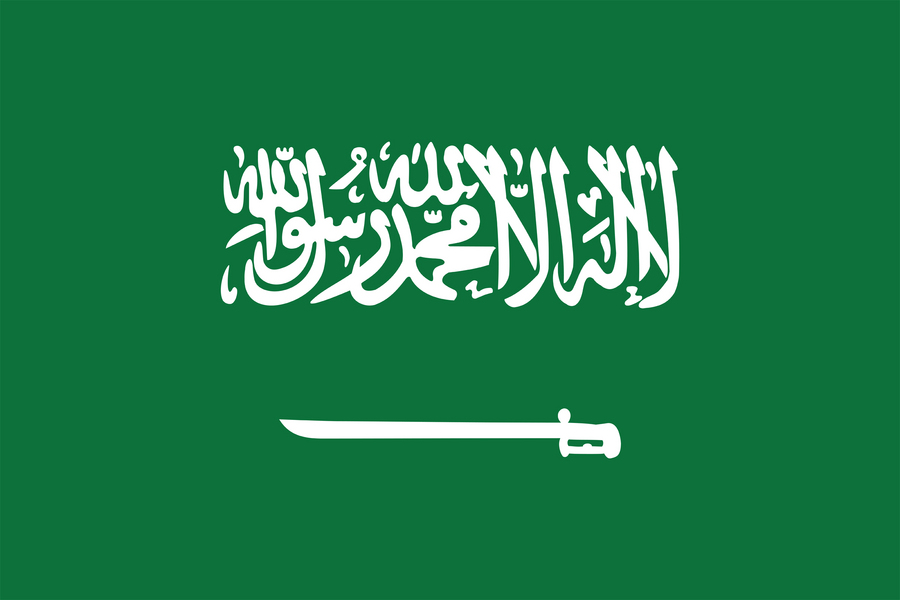
Saudi ArabiaSaudi Arabia covers most of the Arabian Peninsula and is almost entirely desert. It holds Islam's two holiest cities and enormous reserves of oil.
Capital city
Riyadh
Population
about 37,000,000
Area
2,149,680 km2
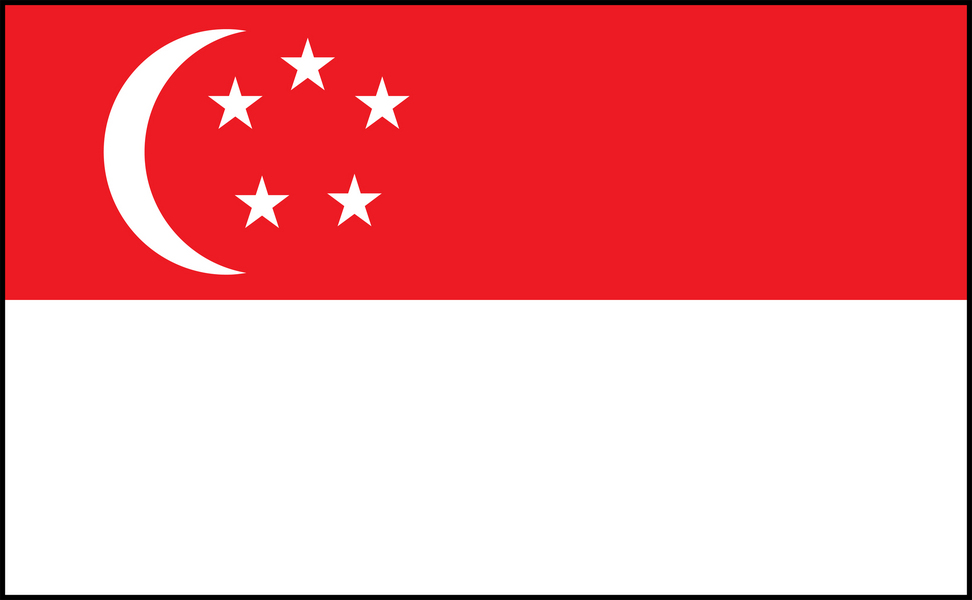
SingaporeSingapore is an island city-state at the tip of the Malay Peninsula. With almost no natural resources, it became one of the world's wealthiest countries through trade.
Capital city
Singapore
Population
about 5,900,000
Area
735 km2
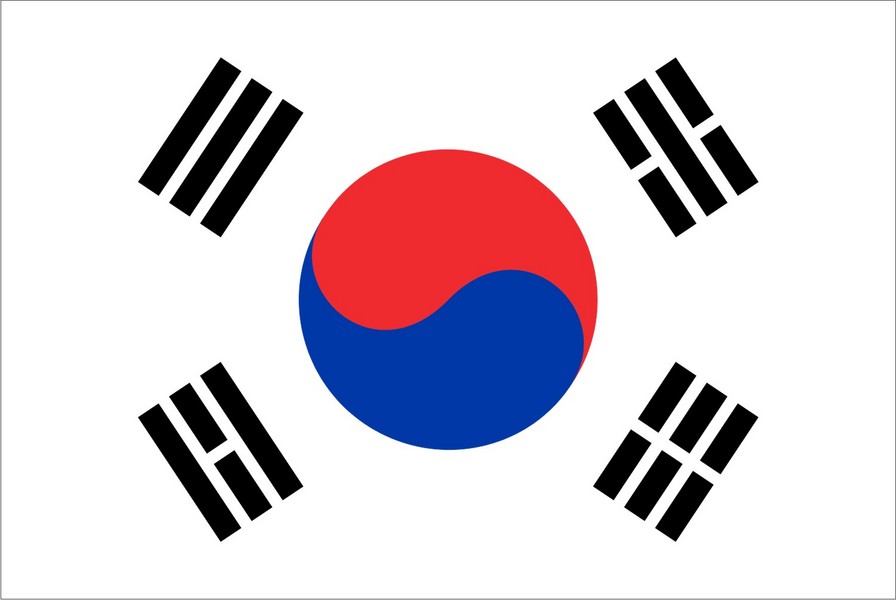
South KoreaSouth Korea occupies the southern half of the Korean Peninsula. It transformed from poverty to a high-technology economy within a single lifetime.
Capital city
Seoul
Population
about 52,000,000
Area
100,210 km2
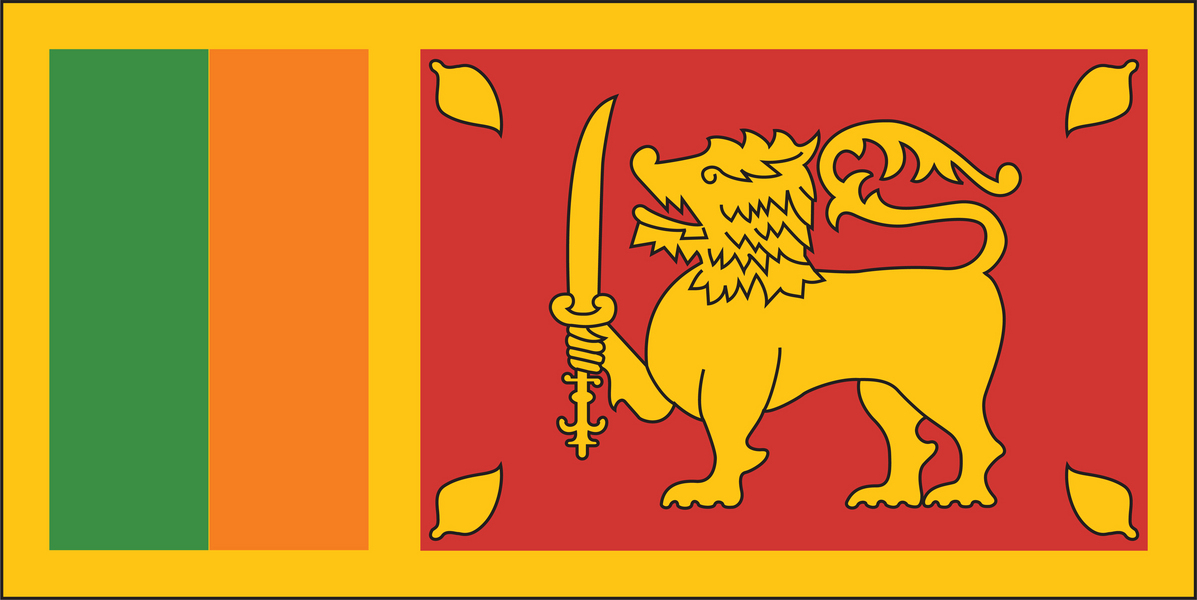
Sri LankaSri Lanka is an island nation south of India with rainforest, highlands, tea plantations and abundant wildlife including elephants and leopards.
Capital city
Sri Jayawardenepura Kotte (Colombo is the commercial capital)
Population
about 22,000,000
Area
65,610 km2
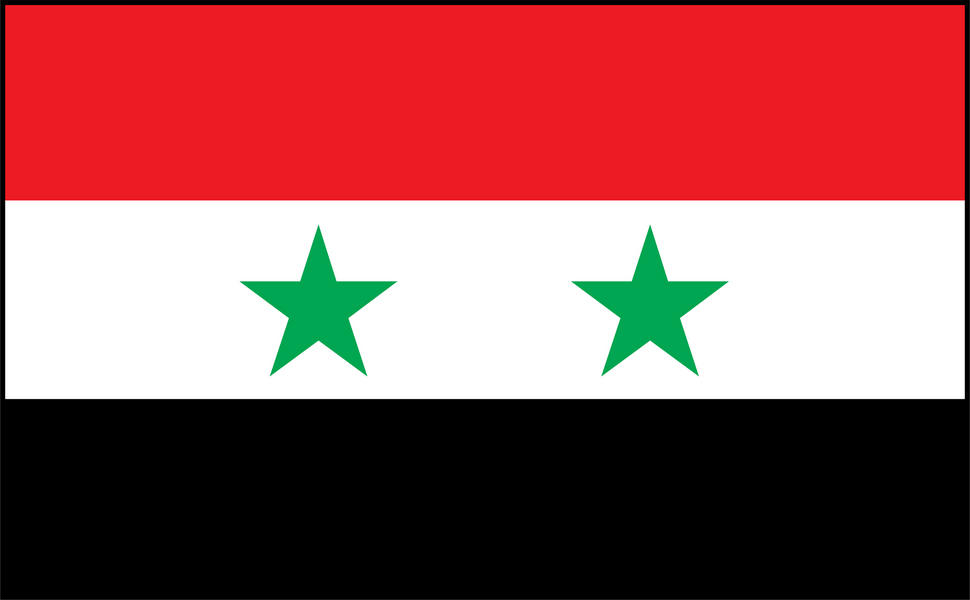
SyriaSyria is a Middle Eastern country of coast, mountains and desert containing some of the world's oldest cities, including Damascus and Aleppo.
Capital city
Damascus
Population
about 23,000,000
Area
185,180 km2
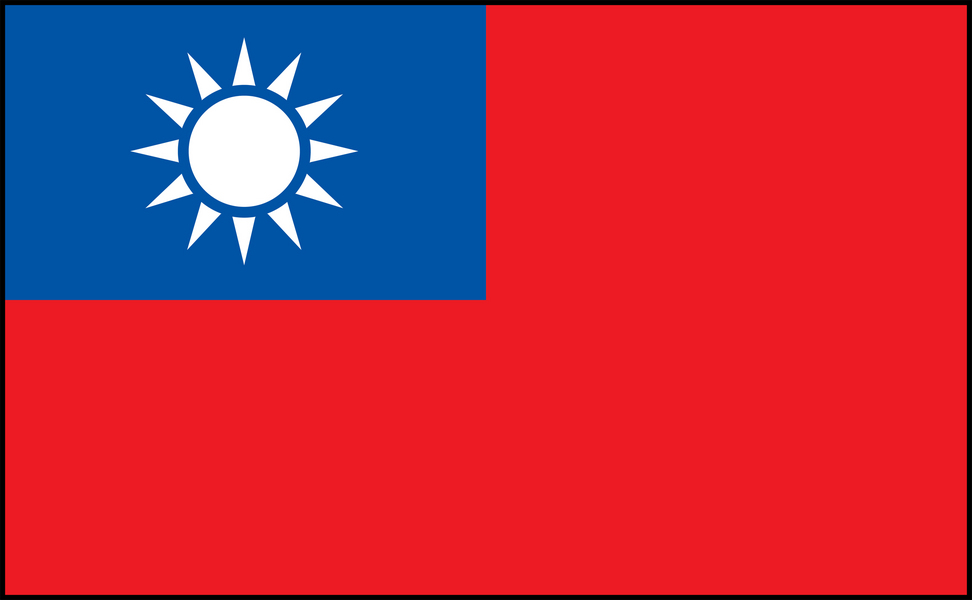
TaiwanTaiwan is a mountainous island off the coast of mainland China. It governs itself, and it manufactures most of the world's most advanced computer chips.
Capital city
Taipei
Population
about 23,000,000
Area
36,191 km2
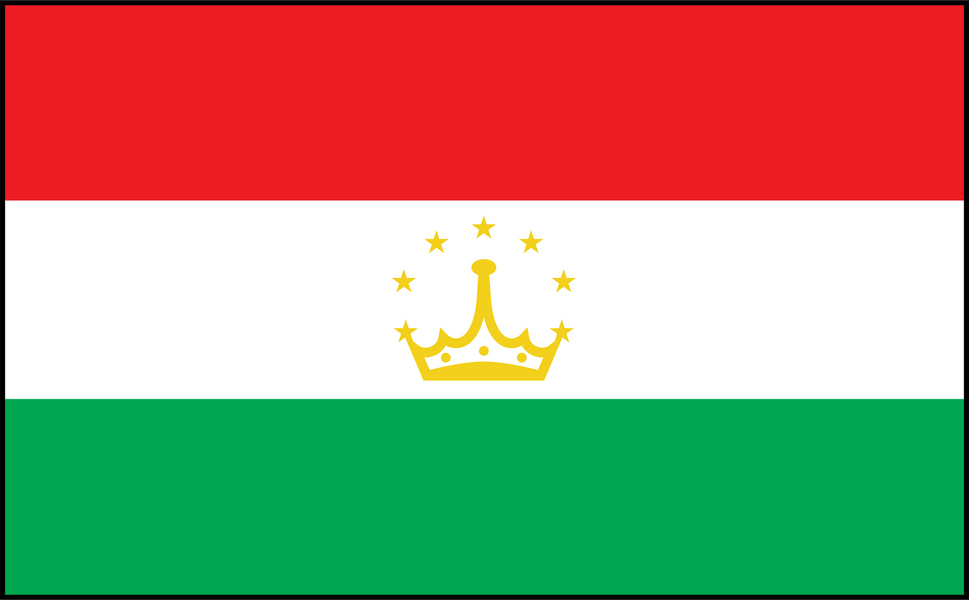
TajikistanTajikistan is a mountainous, landlocked Central Asian country dominated by the Pamir range, known as the Roof of the World.
Capital city
Dushanbe
Population
about 10,000,000
Area
143,100 km2
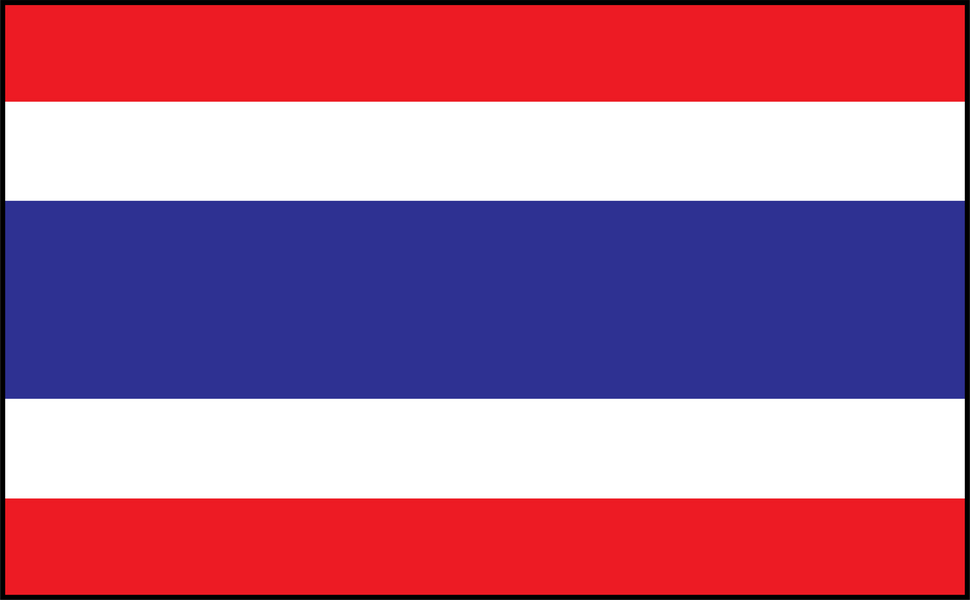
ThailandThailand is a Southeast Asian country of mountains, rice plains and tropical beaches. It is the only country in the region never colonised by a European power.
Capital city
Bangkok
Population
about 72,000,000
Area
513,120 km2
TurkeyTurkey spans Europe and Asia across the Bosphorus strait. It holds ancient sites including Gobekli Tepe and Cappadocia, and Istanbul sits on two continents.
Capital city
Ankara
Population
about 85,000,000
Area
783,562 km2
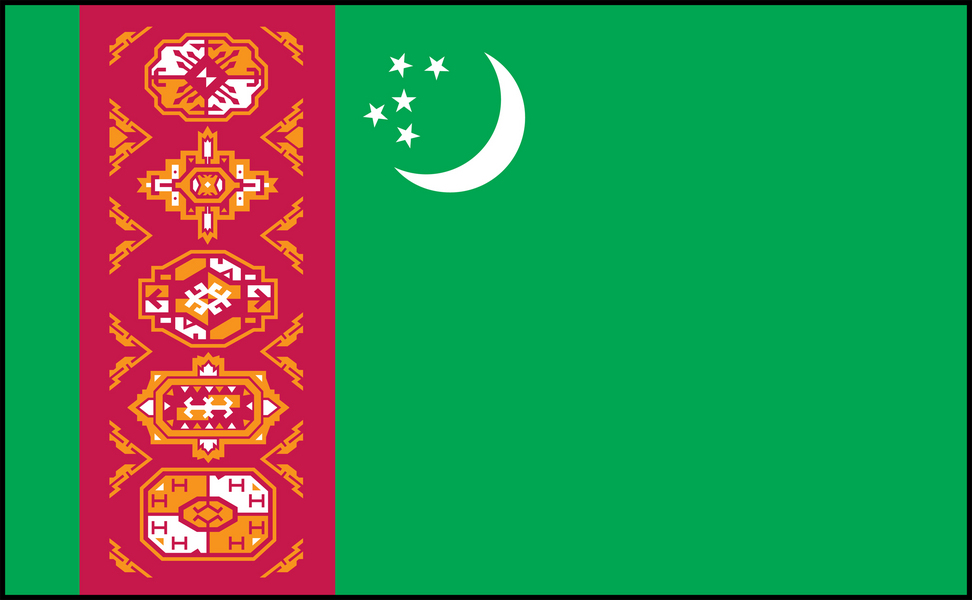
TurkmenistanTurkmenistan is a largely desert country in Central Asia with enormous natural gas reserves, famous for the burning Darvaza gas crater and Akhal-Teke horses.
Capital city
Ashgabat
Population
about 6,500,000
Area
488,100 km2
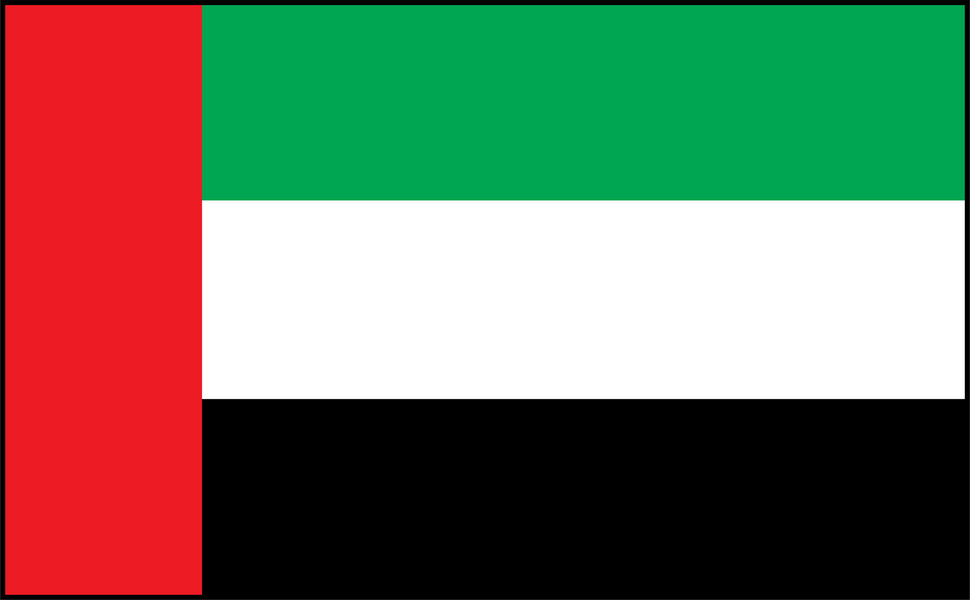
United Arab EmiratesThe United Arab Emirates is a federation of seven emirates on the Arabian Peninsula. Oil wealth transformed a desert region into a global hub within one lifetime.
Capital city
Abu Dhabi
Population
about 9,500,000
Area
83,600 km2
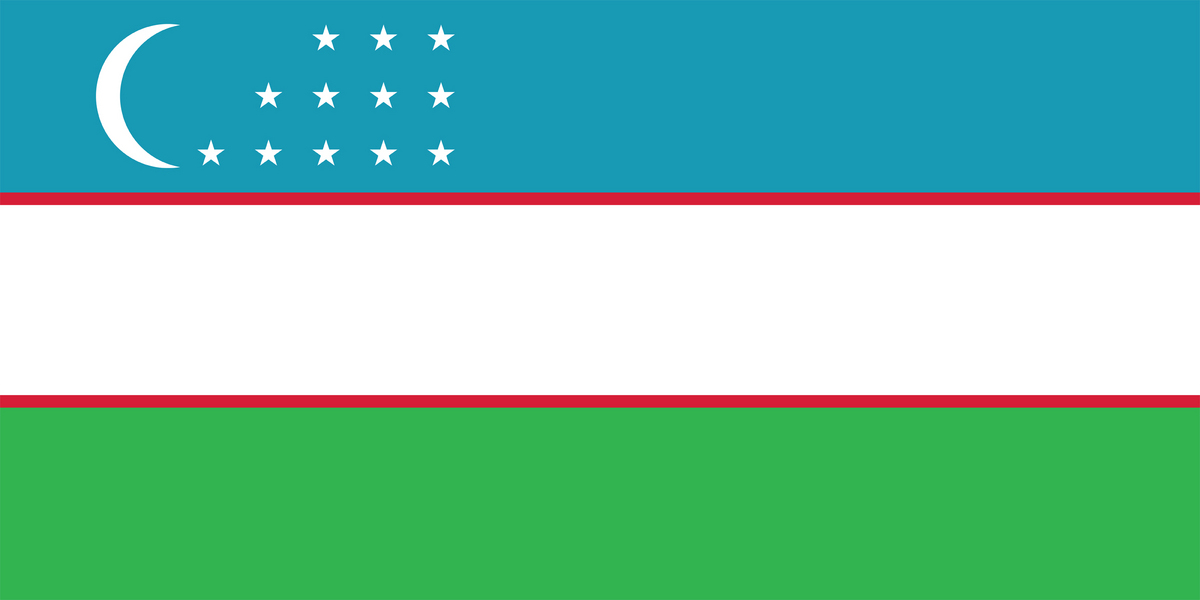
UzbekistanUzbekistan is a doubly landlocked Central Asian country of deserts and oasis cities. Samarkand, Bukhara and Khiva were major stops on the Silk Road.
Capital city
Tashkent
Population
about 36,000,000
Area
447,400 km2
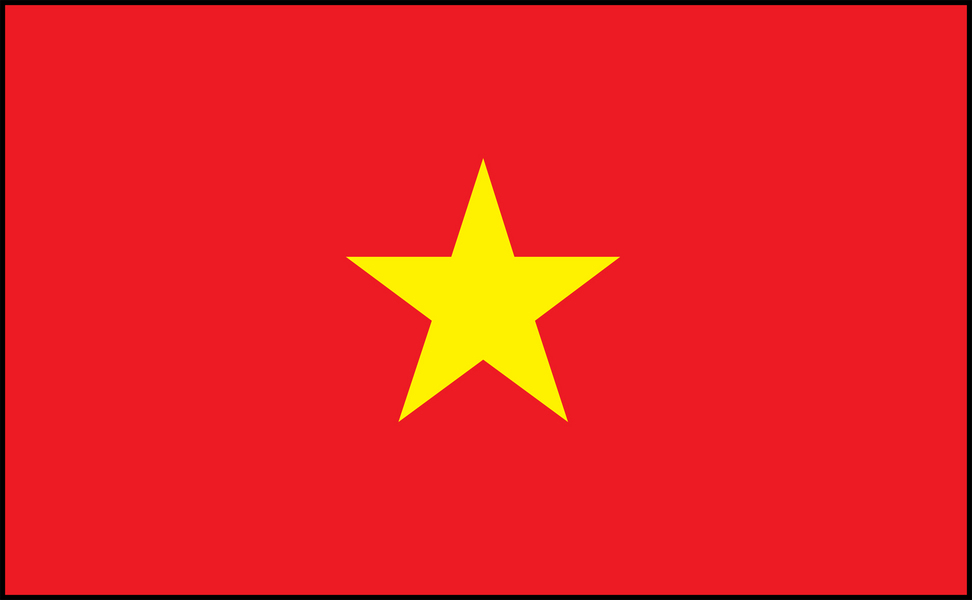
VietnamVietnam is a long, narrow country in Southeast Asia with two great river deltas, a 3,200 km coastline and the largest cave passage in the world.
Capital city
Hanoi
Population
about 100,000,000
Area
331,212 km2
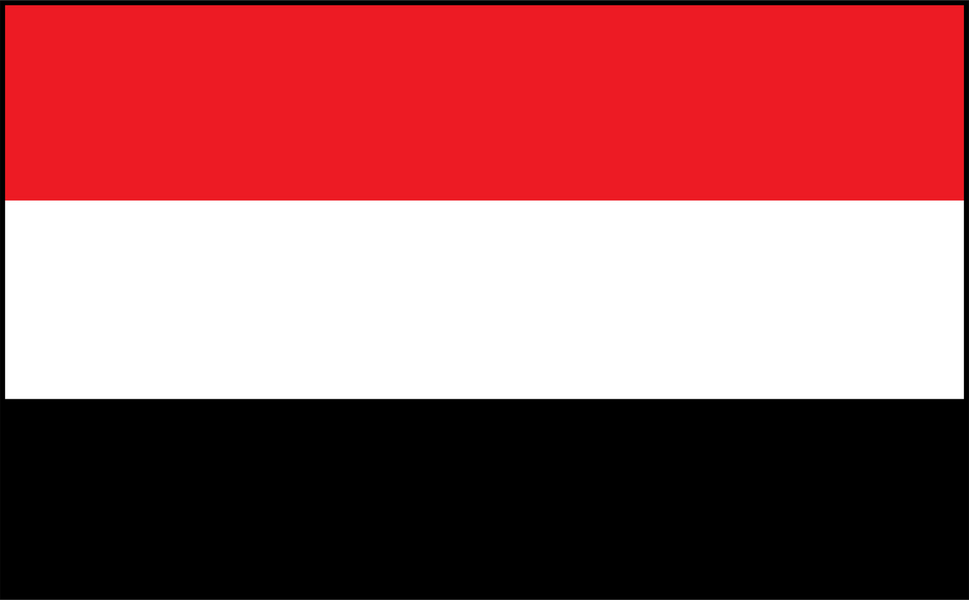
YemenYemen occupies the south-west of the Arabian Peninsula, with mountains, desert and the biologically unique island of Socotra.
Capital city
Sana'a
Population
about 34,000,000
Area
527,968 km2
Play this interactively at www.factsmania.org/countries/asia