North America is Earth’s third-largest continent. It covers about 24,710,000 km2 (9.54 million square miles), roughly 16.5% of the world’s land area, and is home to around 600 million people across 23 sovereign countries plus a number of dependent territories.
Where is North America?
North America stretches from the Arctic Circle in northern Canada down to the narrow Isthmus of Panama, where it joins South America. It is bordered by the Atlantic Ocean to the east, the Pacific Ocean to the west, and the Arctic Ocean to the north. The Caribbean Sea separates the mainland from the dozens of island nations of the Caribbean.
North American geography
North America’s spine is the Rocky Mountains, which run for around 4,800 km from British Columbia in Canada down through the western United States into Mexico. The Appalachian Mountains form the older, lower range along the east coast. In between lie the vast Great Plains. The continent’s highest peak is Denali in Alaska (6,190 m). The longest river system is the Mississippi, Missouri (6,275 km). The five Great Lakes, Superior, Michigan, Huron, Erie, and Ontario, together hold approx. 21% of the planet’s fresh surface water. Natural wonders include Niagara Falls, the Grand Canyon, Yellowstone, and Yosemite.
Regions of North America
Northern America, Canada, the United States, and the small island nation of Greenland (autonomous within Denmark).
Central America, Mexico, Belize, Guatemala, Honduras, El Salvador, Nicaragua, Costa Rica, and Panama.
The Caribbean, Cuba, the Dominican Republic, Haiti, Jamaica, the Bahamas, Trinidad and Tobago, Barbados, Saint Lucia, Saint Kitts and Nevis, Saint Vincent and the Grenadines, Antigua and Barbuda, Dominica, and Grenada.
Climate and wildlife
North America covers every climate type. The Arctic north has tundra and polar bears; the boreal forests host moose and lynx; the temperate centre supports prairies and the famous bison; the deserts of the south-west are home to coyotes, roadrunners, and rattlesnakes; the Caribbean has coral reefs and tropical rainforests with parrots and iguanas. The continent’s coastlines are home to whales, sea otters, manatees, and dolphins.
People, languages, and religions
The main languages are English (mainly the United States, Canada, and most of the Caribbean), Spanish (Mexico and Central America), and French (Quebec in Canada and Haiti). Hundreds of Indigenous languages are also spoken. Christianity is the largest religion.
Famous landmarks
From the Statue of Liberty in New York to the CN Tower in Toronto, Chichén Itzá in Mexico, Mount Rushmore in South Dakota, the Golden Gate Bridge in San Francisco, the Empire State Building, the Hollywood sign, the Panama Canal, and the colourful colonial towns of Cuba, North America’s landmarks are world-famous.
Explore North American countries
Pick any of the 23 sovereign countries below for its complete fact file.
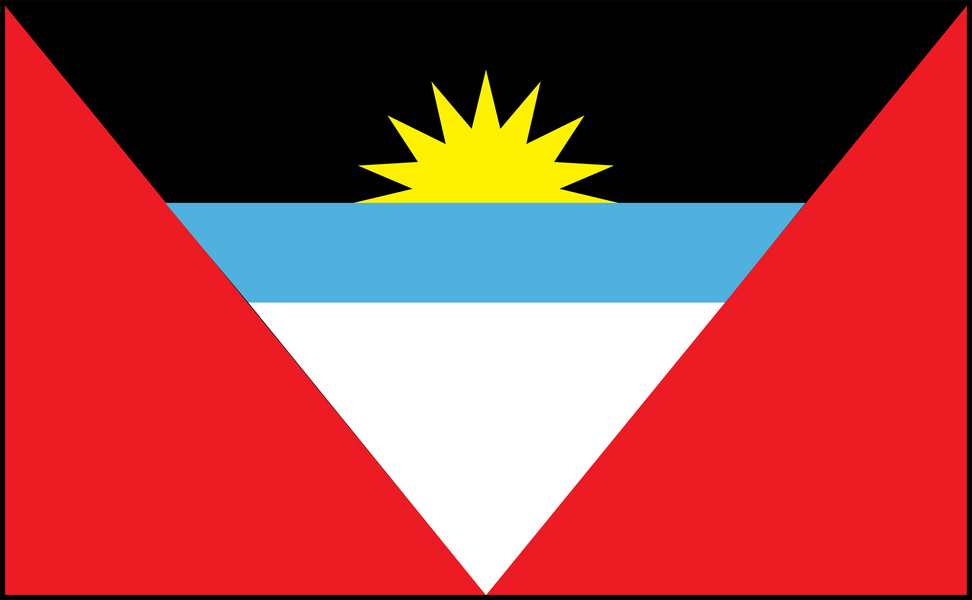
Antigua and BarbudaAntigua and Barbuda is a two-island Caribbean nation famous for its beaches, its Georgian naval dockyard and Barbuda's huge frigatebird colony.
Capital city
St. John's
Population
about 94,000
Area
442 km2
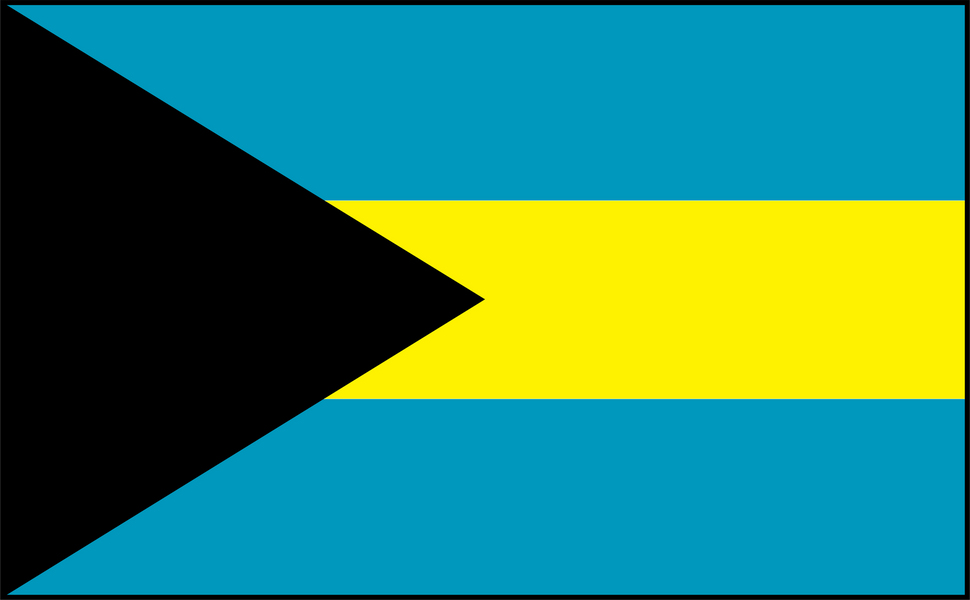
BahamasThe Bahamas is an archipelago of around 700 low limestone islands off the coast of Florida, famous for clear turquoise water, coral reefs and deep blue holes.
Capital city
Nassau
Population
about 410,000
Area
13,880 km2
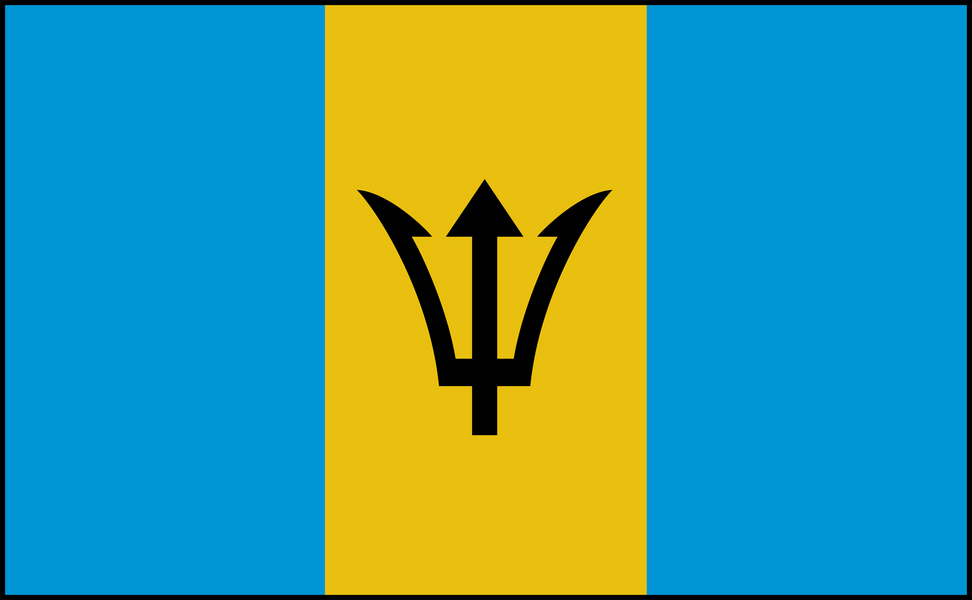
BarbadosBarbados is the most easterly Caribbean island, made of coral limestone rather than volcanic rock. It became a republic in 2021 and is the birthplace of rum.
Capital city
Bridgetown
Population
about 282,000
Area
430 km2
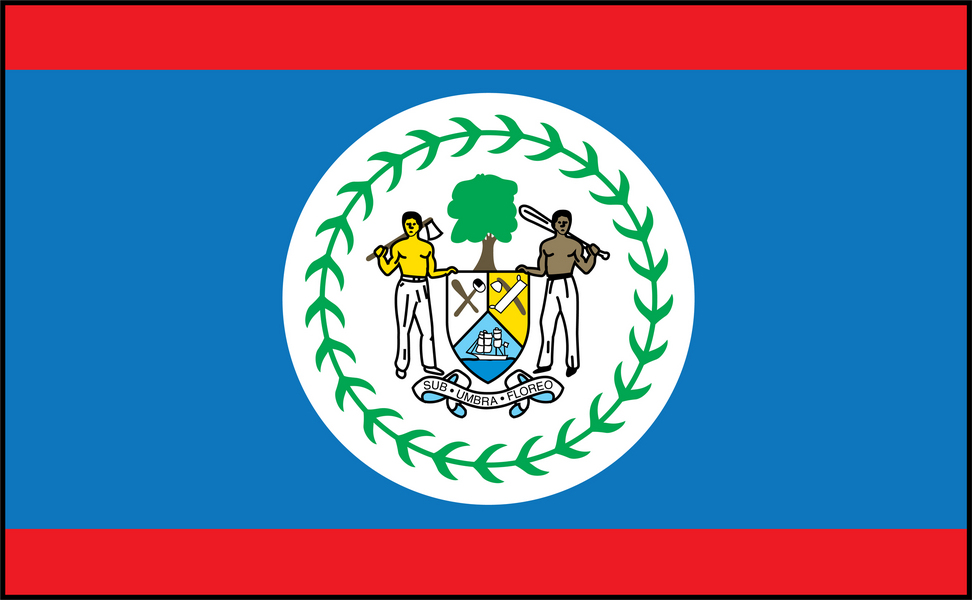
BelizeBelize is a small Central American country and the only one where English is official. It has Maya ruins, dense rainforest and the Great Blue Hole on its barrier reef.
Capital city
Belmopan
Population
about 410,000
Area
22,966 km2
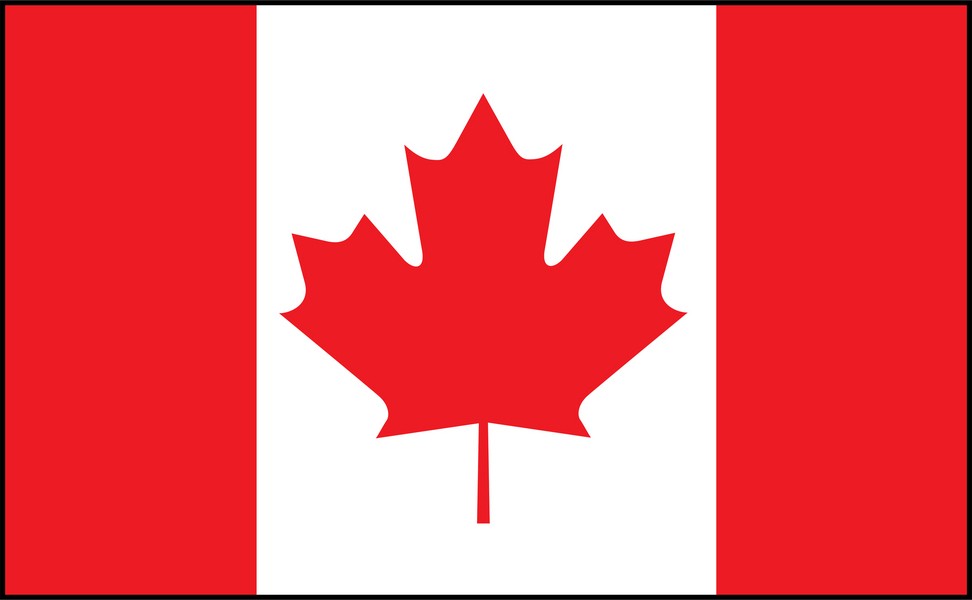
CanadaCanada is the second largest country in the world by area, stretching from the Atlantic to the Pacific and up into the Arctic. It has more lakes than the rest of the world combined.
Capital city
Ottawa
Population
about 40,000,000
Area
9,984,670 km2
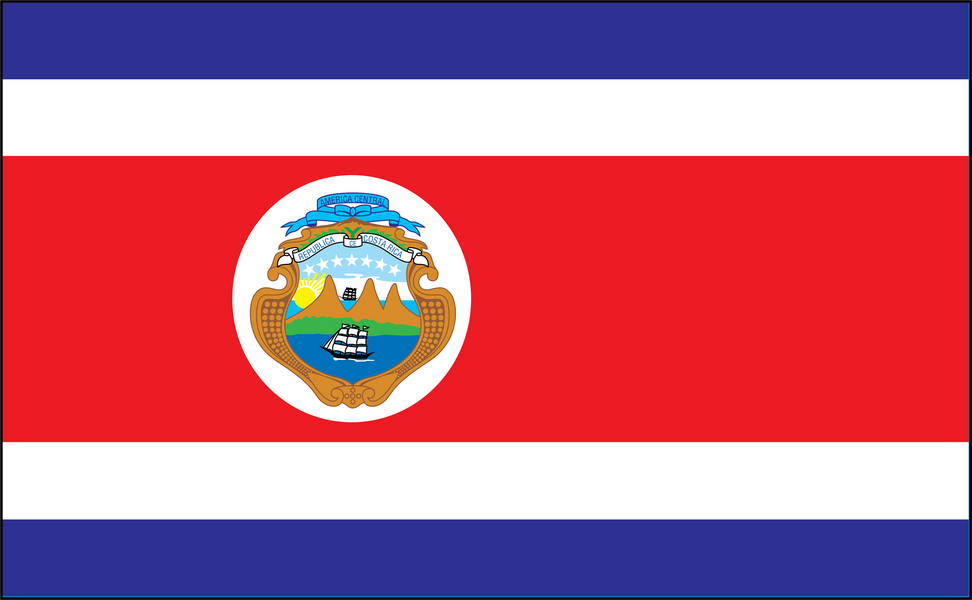
Costa RicaCosta Rica is a Central American country famous for rainforests, volcanoes and wildlife. It abolished its army in 1949 and holds around 5 per cent of the world's species.
Capital city
San Jose
Population
about 5,200,000
Area
51,100 km2
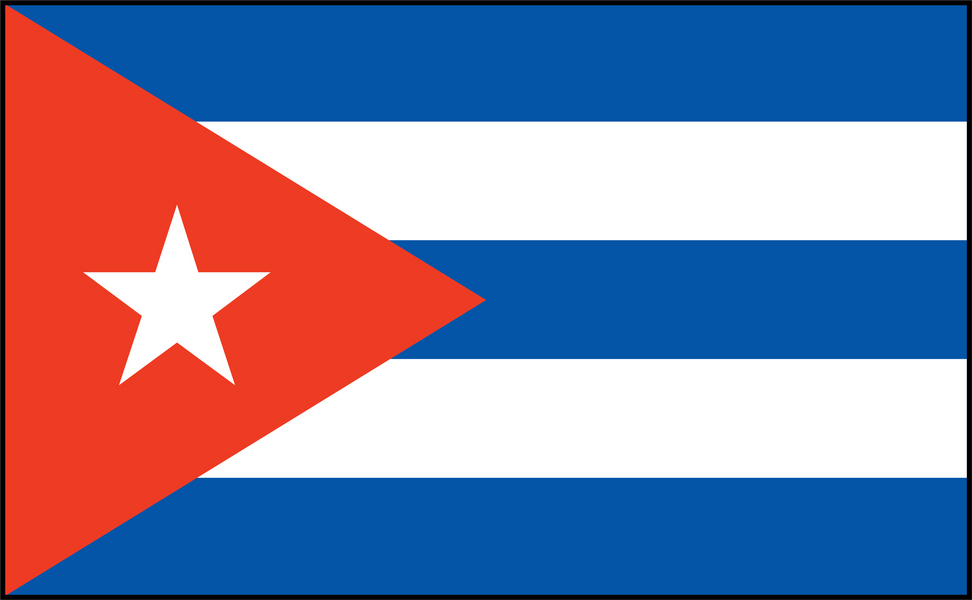
CubaCuba is the largest island in the Caribbean. It is known for its music, its classic 1950s cars, cigars and sugar, and for its revolution in 1959.
Capital city
Havana
Population
about 11,000,000
Area
109,886 km2
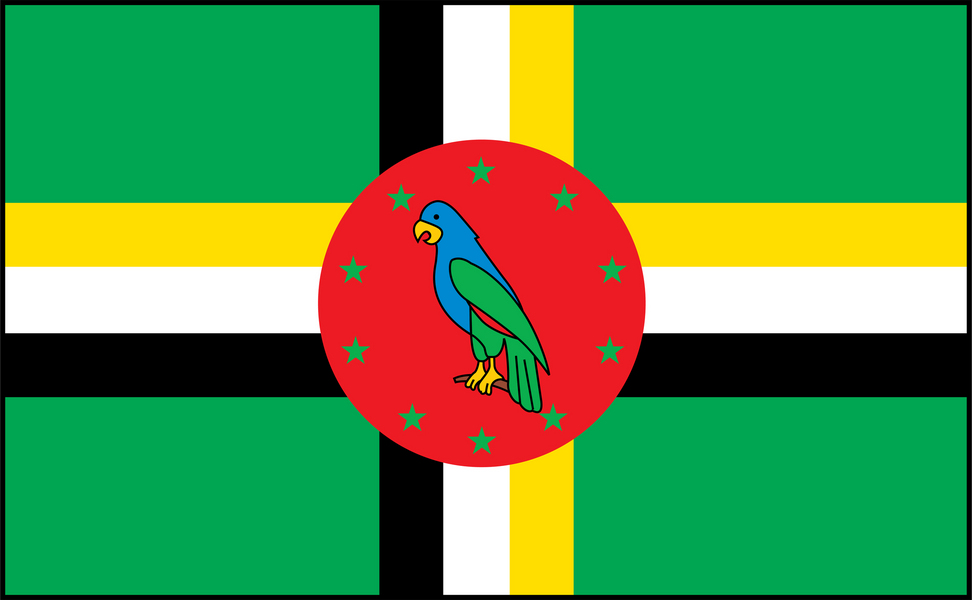
DominicaDominica is a rugged, volcanic Caribbean island known as the Nature Island, with rainforest, hot springs, a boiling lake and the last Kalinago community.
Capital city
Roseau
Population
about 73,000
Area
751 km2
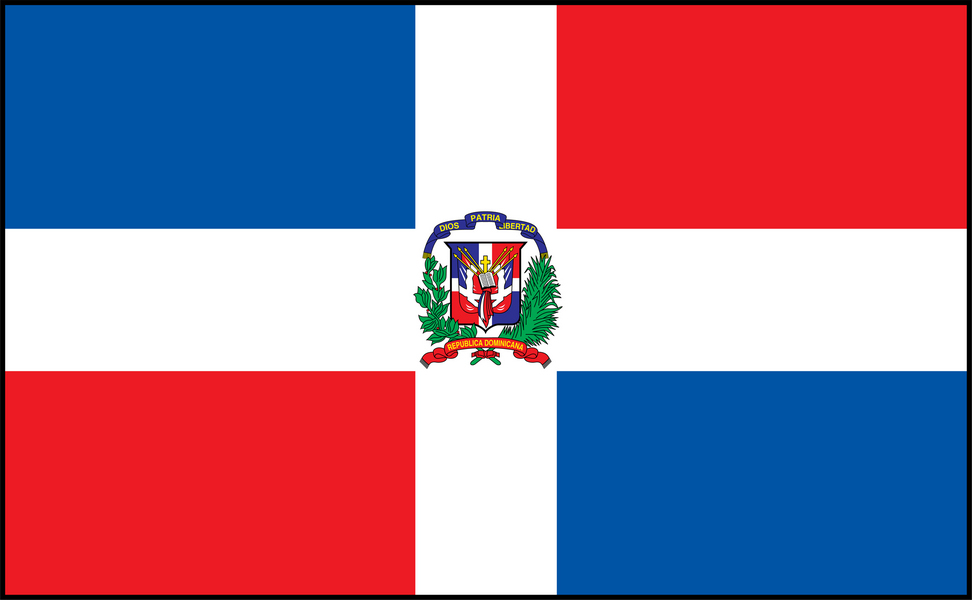
Dominican RepublicThe Dominican Republic occupies the eastern two thirds of Hispaniola. It has the Caribbean's highest mountain, the oldest European city in the Americas, and a passion for baseball.
Capital city
Santo Domingo
Population
about 11,300,000
Area
48,671 km2
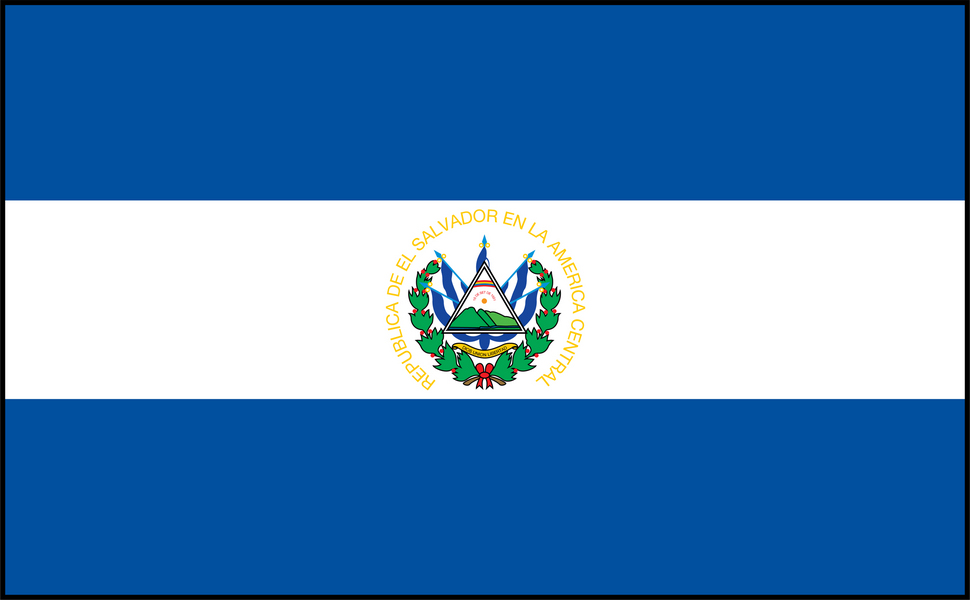
El SalvadorEl Salvador is the smallest country in Central America and the only one without a Caribbean coast. It is known as the land of volcanoes and for its Pacific surf beaches.
Capital city
San Salvador
Population
about 6,300,000
Area
21,041 km2
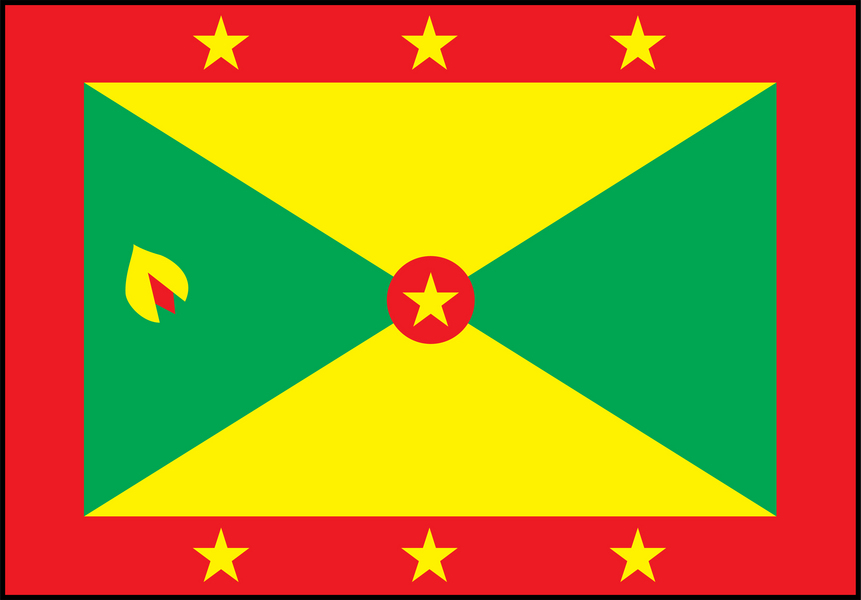
GrenadaGrenada is a volcanic Caribbean island nation known as the Spice Isle for its nutmeg and cinnamon, with rainforest, a crater lake and an underwater sculpture park.
Capital city
St. George's
Population
about 125,000
Area
344 km2
GuatemalaGuatemala is the most populous country in Central America, known for its volcanoes, its highland Maya communities and the great ruined Maya city of Tikal.
Capital city
Guatemala City
Population
about 18,000,000
Area
108,889 km2
HaitiHaiti occupies the western third of Hispaniola. It was the first nation founded by formerly enslaved people, declaring independence from France in 1804.
Capital city
Port-au-Prince
Population
about 11,600,000
Area
27,750 km2
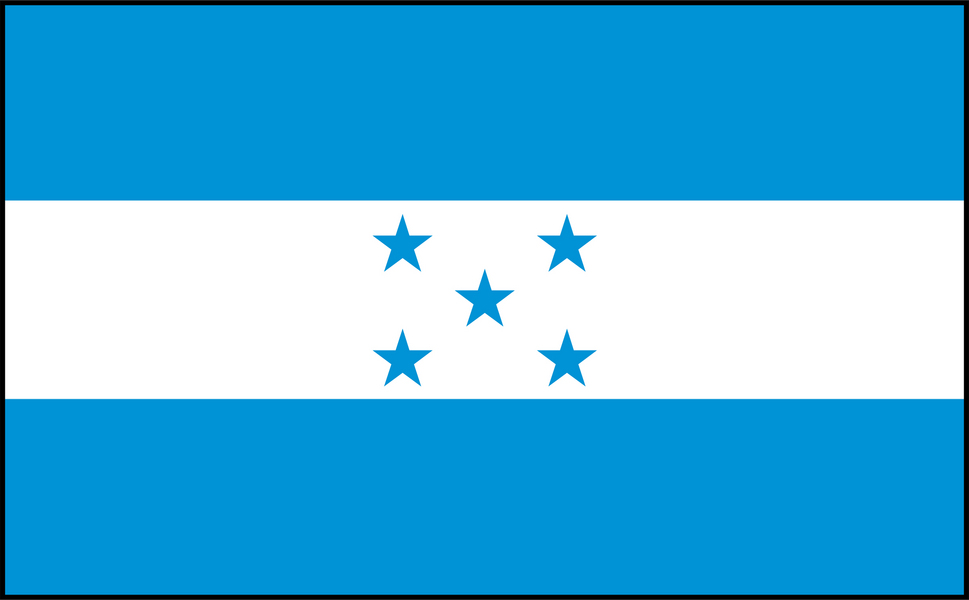
HondurasHonduras is a mountainous Central American country with Caribbean and Pacific coasts, the Maya ruins of Copan, and part of the second largest barrier reef in the world.
Capital city
Tegucigalpa
Population
about 10,600,000
Area
112,492 km2
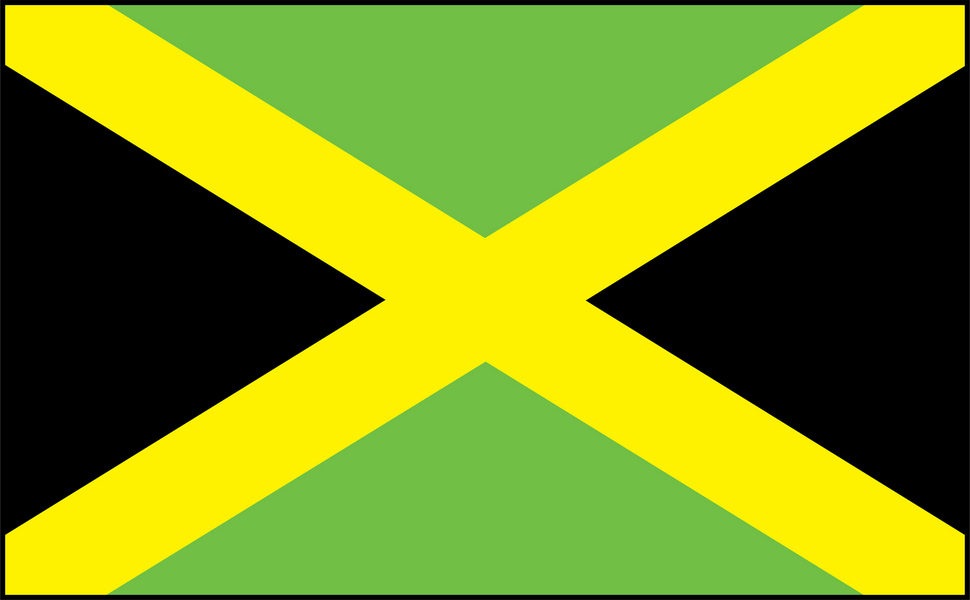
JamaicaJamaica is a mountainous Caribbean island, the birthplace of reggae music, and home to some of the fastest sprinters the world has ever seen.
Capital city
Kingston
Population
about 2,800,000
Area
10,991 km2
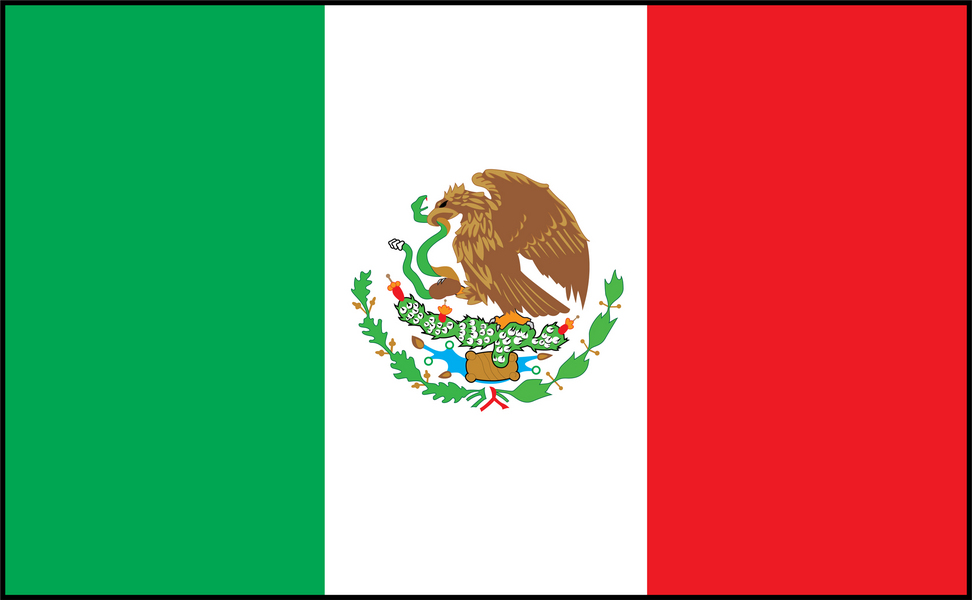
MexicoMexico is the largest Spanish-speaking country in the world. It has ancient Maya and Aztec ruins, high mountain plateaus, and gave the world chocolate, maize and chillies.
Capital city
Mexico City
Population
about 129,000,000
Area
1,964,375 km2
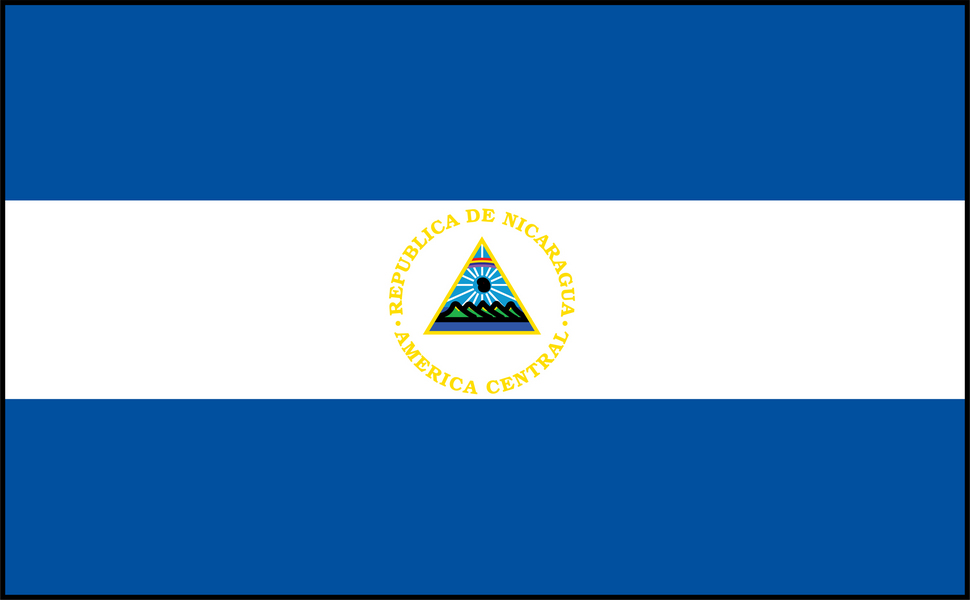
NicaraguaNicaragua is the largest country in Central America, known for its volcanoes, its two great lakes and the twin-volcano island of Ometepe.
Capital city
Managua
Population
about 7,000,000
Area
130,373 km2
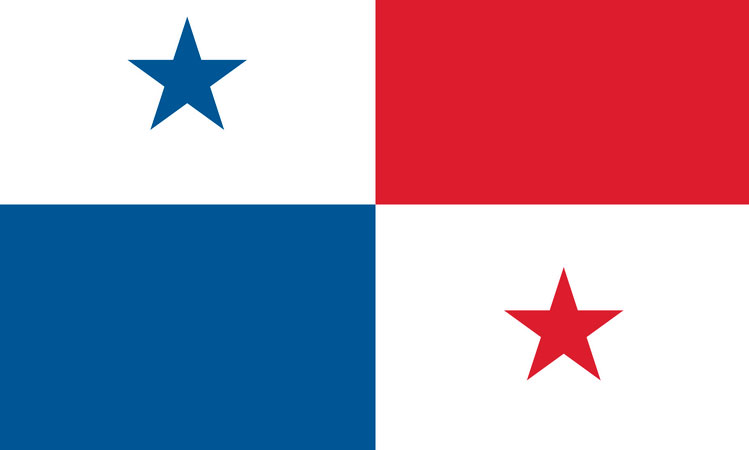
PanamaPanama is the narrow country joining North and South America. The Panama Canal cuts through it, letting ships pass between the Atlantic and Pacific Oceans.
Capital city
Panama City
Population
about 4,500,000
Area
75,417 km2
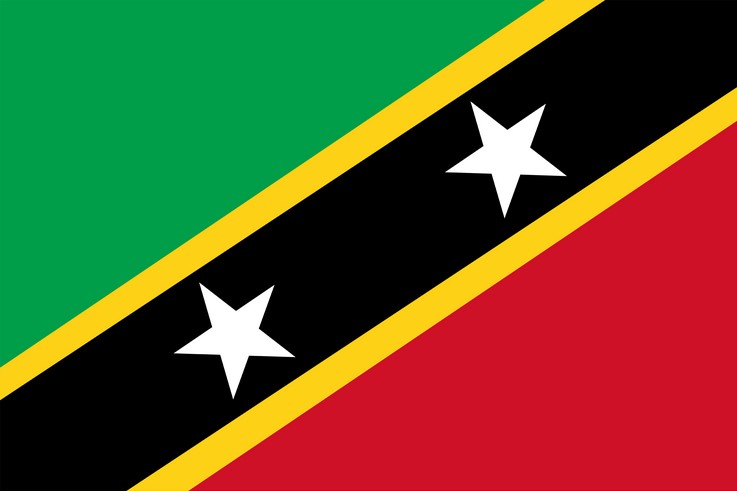
Saint Kitts and NevisSaint Kitts and Nevis is the smallest country in the Americas, made up of two volcanic islands. It was the first English colony in the Caribbean.
Capital city
Basseterre
Population
about 47,000
Area
261 km2
Saint LuciaSaint Lucia is a volcanic Caribbean island famous for the twin Piton peaks, sulphur springs and rainforest, and for producing two Nobel Prize winners.
Capital city
Castries
Population
about 180,000
Area
617 km2
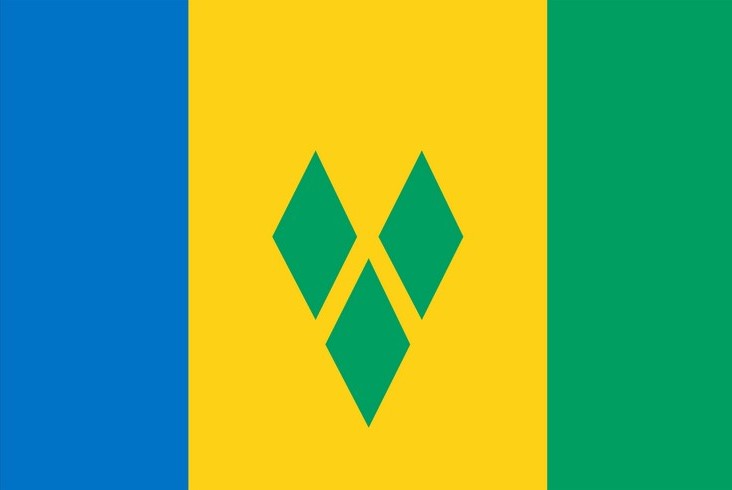
Saint Vincent and the GrenadinesSaint Vincent and the Grenadines is a Caribbean nation of one volcanic main island and a chain of 32 smaller islands and cays, known for sailing and beaches.
Capital city
Kingstown
Population
about 110,000
Area
389 km2
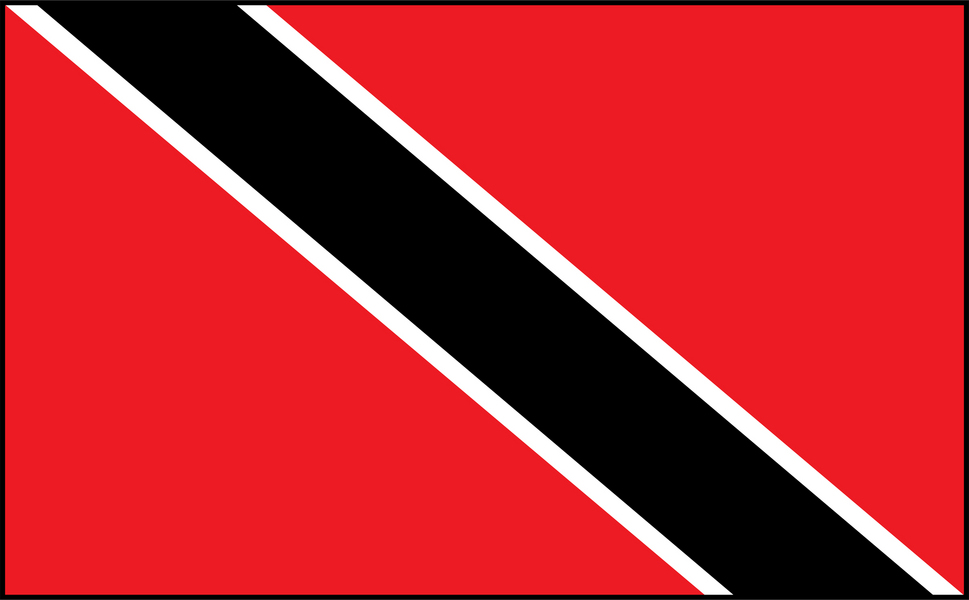
Trinidad and TobagoTrinidad and Tobago is a two-island Caribbean nation off the coast of Venezuela. It invented the steelpan, hosts a famous Carnival, and runs largely on oil and gas.
Capital city
Port of Spain
Population
about 1,400,000
Area
5,130 km2
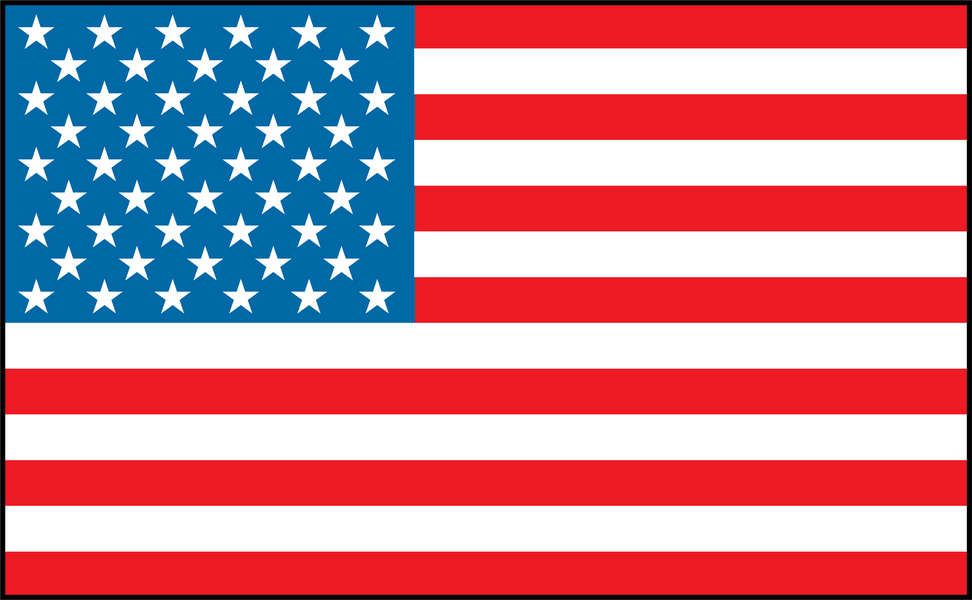
United StatesThe United States is a country of 50 states spanning North America, from Atlantic to Pacific, plus Alaska and Hawaii. It has the largest economy in the world.
Capital city
Washington D.C.
Population
about 335,000,000
Area
9,833,520 km2
Play this interactively at www.factsmania.org/countries/north-america