Oceania is the smallest continental region on Earth. It covers about 8,525,989 km2 (3.29 million square miles) of land, only around 5.7% of the world’s land area, and is home to roughly 45 million people across 14 sovereign nations. Most of Oceania is ocean: thousands of islands scattered across the vast Pacific.
Where is Oceania?
Oceania lies in the south-western Pacific Ocean, south-east of Asia. The region is bordered by the Indian Ocean to the west, the Pacific Ocean to the north and east, and the Southern Ocean to the south. Australia is the only country that is also a continent in its own right.
Oceania’s geography
Oceania is usually divided into four sub-regions:
Australasia, Australia and New Zealand. Australia is the world’s sixth-largest country and an entire continent unto itself, with deserts in the centre (the Outback), tropical rainforest in the north, and Mediterranean climates along the southern coast. New Zealand sits 2,000 km to the south-east, with the snowy Southern Alps and the volcanic landscapes that doubled as Middle-earth in The Lord of the Rings.
Melanesia, Papua New Guinea, Fiji, the Solomon Islands, and Vanuatu. Volcanic, mountainous, and home to incredible cultural diversity (Papua New Guinea alone has over 800 languages).
Micronesia, Kiribati, the Marshall Islands, the Federated States of Micronesia, Palau, and Nauru. Small, low-lying coral atolls scattered across the central Pacific.
Polynesia, the giant ocean triangle anchored by Hawaii, New Zealand, and Easter Island. Includes Samoa, Tonga, and Tuvalu.
The Great Barrier Reef off Australia’s north-east coast is the world’s largest coral reef system, visible from space. Uluru (Ayers Rock) in central Australia is a 348 m sandstone monolith sacred to the Aboriginal Anangu people. Mount Wilhelm in Papua New Guinea (4,509 m) is Oceania’s highest peak.
People, languages, and religions
Oceania is home to the world’s oldest continuous cultures: Aboriginal Australians have lived on their continent for at least 65,000 years. The Māori are the indigenous people of New Zealand. Hundreds of Polynesian, Melanesian, and Micronesian peoples each have their own language and traditions. English is the most widely-spoken European language, but Tok Pisin, French, Māori, Fijian, Samoan, and Tongan are also official in various nations. Most Pacific islanders are Christian, the result of 19th-century missionary work.
Wildlife
Oceania is famous for animals found nowhere else. Australia is home to kangaroos, koalas, wombats, platypuses, and the deadly saltwater crocodile. New Zealand has the flightless kiwi, the kakapo, and the tuatara. The Pacific waters teem with whales, sharks, manta rays, and turtles.
Famous landmarks
Oceania’s most iconic sights include the Sydney Opera House, the Sydney Harbour Bridge, Uluru, the Great Barrier Reef, New Zealand’s Milford Sound and Tongariro National Park, the Bora Bora lagoon in French Polynesia, and the volcanic peaks of Hawaii (politically part of the United States but geographically in the Pacific).
Explore Oceanian countries
Pick any of the 14 sovereign countries below for its complete fact file.
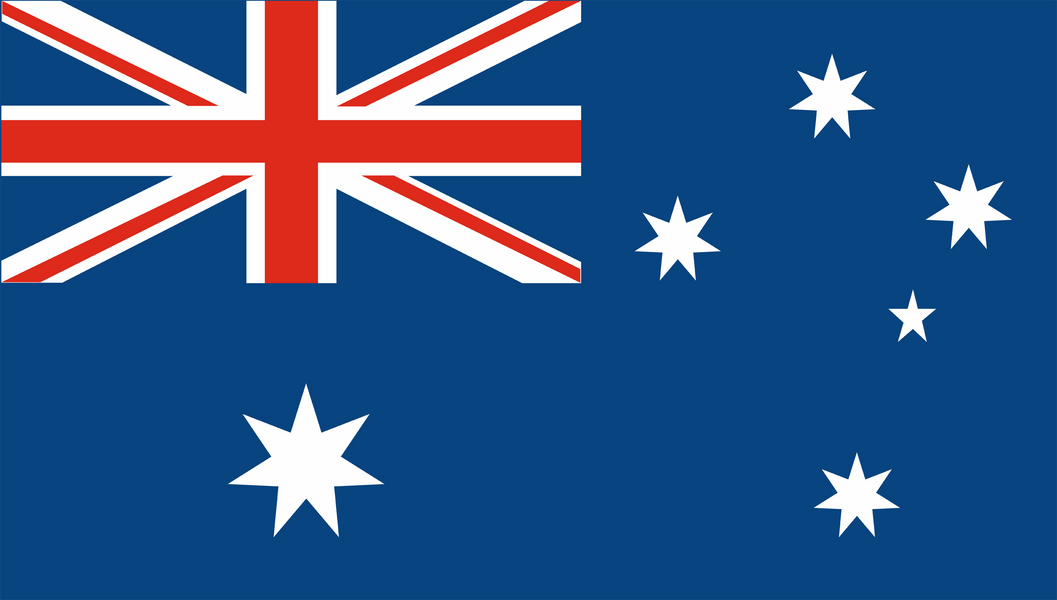
AustraliaAustralia is the only country that is also a continent. It is home to kangaroos, koalas and the Great Barrier Reef, and most of its people live around the coastal edge.
Capital city
Canberra
Population
about 26,000,000
Area
7,692,060 km2
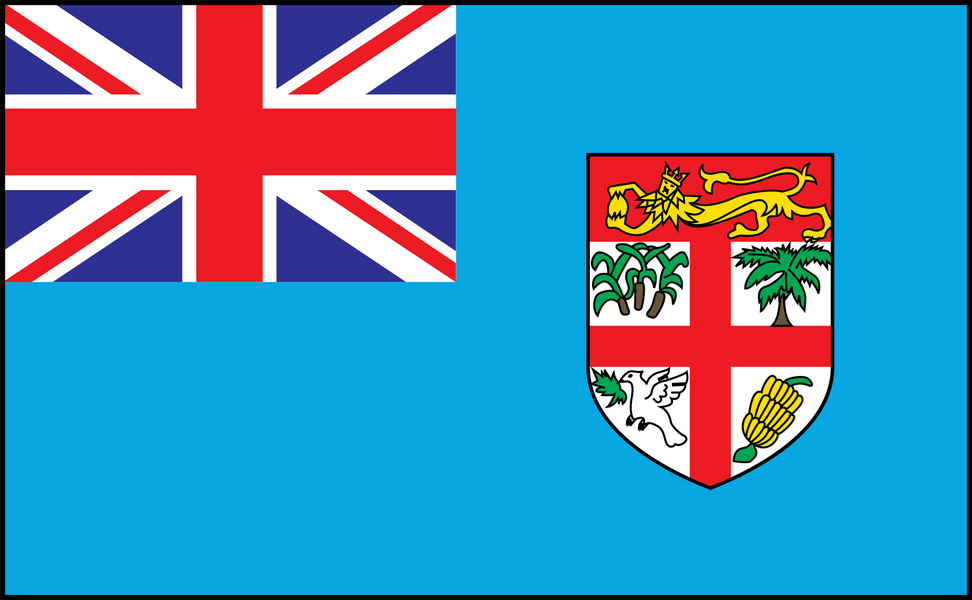
FijiFiji is a South Pacific nation of over 330 volcanic and coral islands. Most Fijians live on Viti Levu and Vanua Levu, and the international date line bends around the country.
Capital city
Suva
Population
about 930,000
Area
18,272 km2
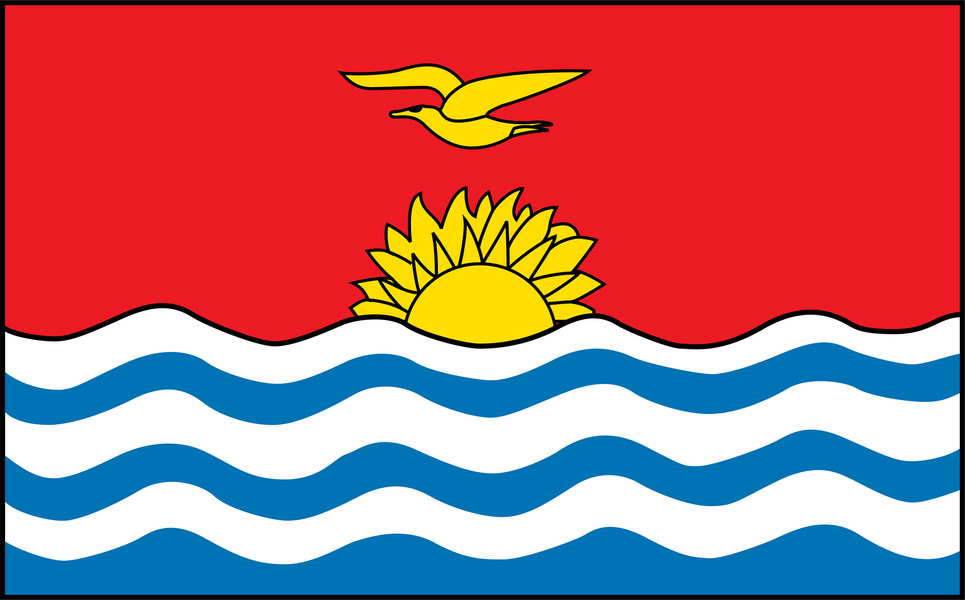
KiribatiKiribati is a Pacific nation of 33 low coral atolls spread across a vast area of ocean. It sits in all four hemispheres and is badly threatened by rising sea levels.
Capital city
Tarawa
Population
about 130,000
Area
811 km2
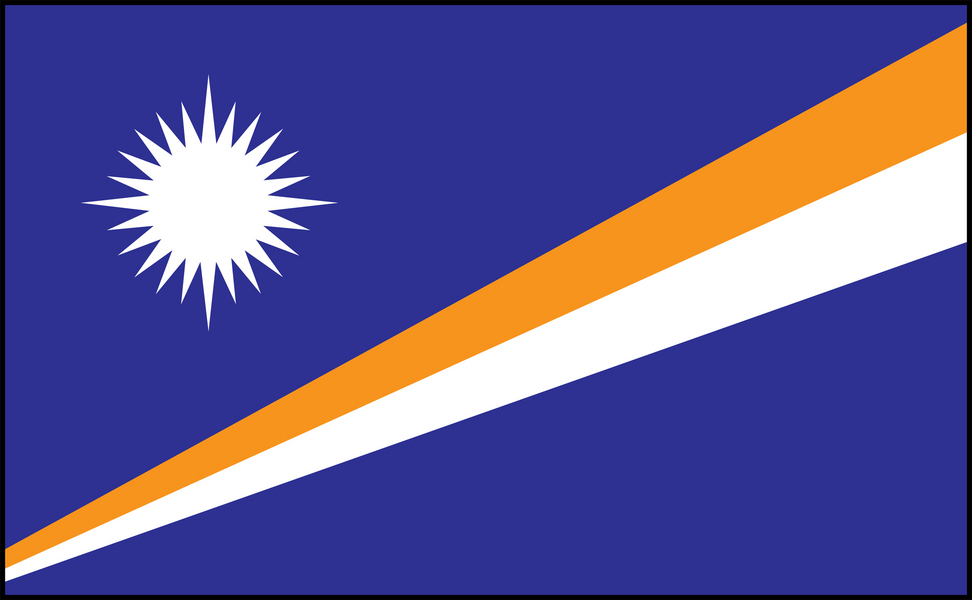
Marshall IslandsThe Marshall Islands are a Pacific nation of 29 low coral atolls, known for traditional wave navigation, American nuclear testing at Bikini Atoll and the threat of rising seas.
Capital city
Majuro
Population
about 42,000
Area
181 km2
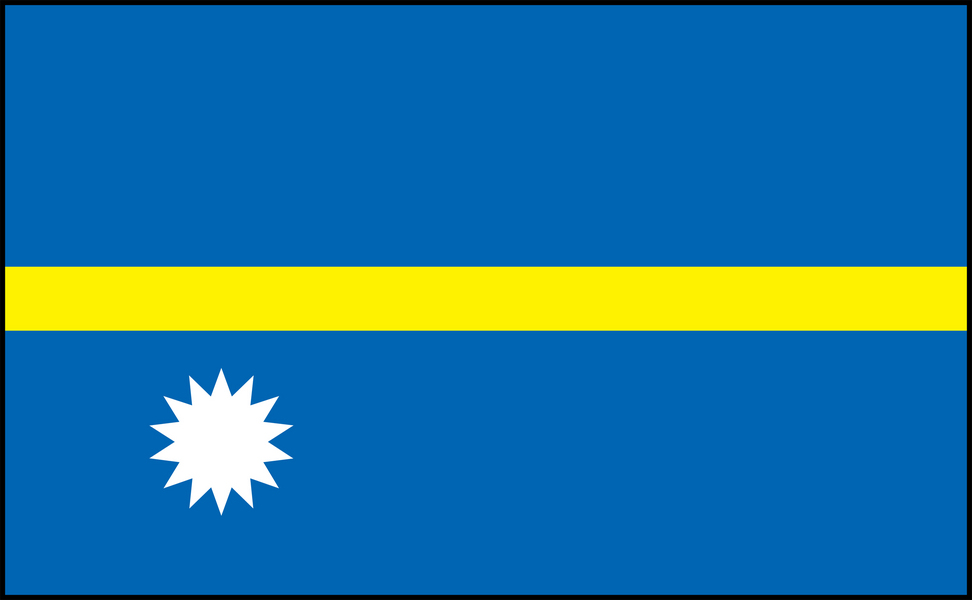
NauruNauru is the smallest island country in the world, a single 21 km2 island once made rich by phosphate mining and left with a stripped, rocky interior.
Capital city
No official capital (government offices are in Yaren district)
Population
about 12,500
Area
21 km2
New CaledoniaNew Caledonia is a French overseas territory in the south-west Pacific, made up of Grande Terre and smaller islands, surrounded by one of the largest lagoons in the world.
Capital city
Noumea
Population
about 270,000
Area
18,575 km2
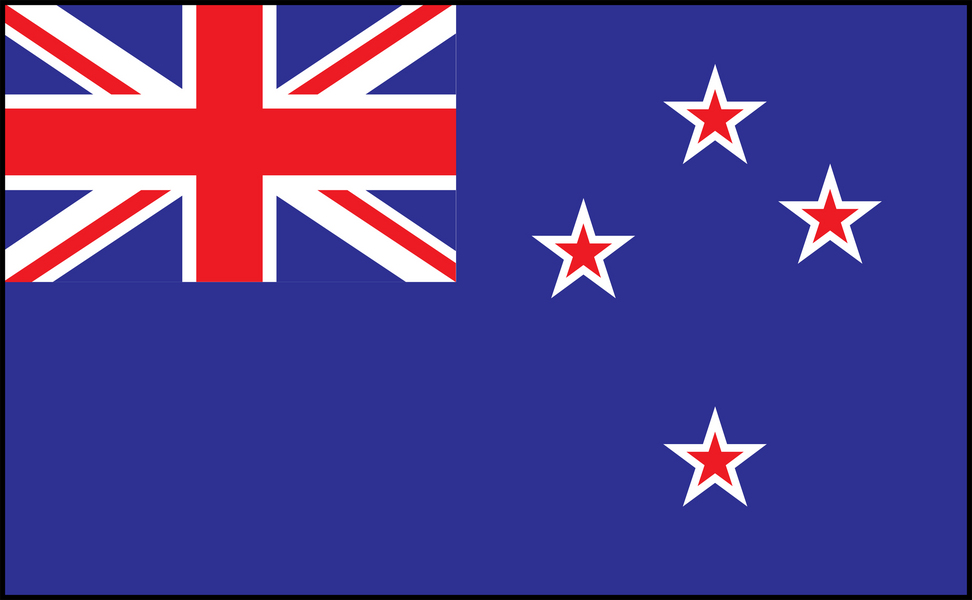
New ZealandNew Zealand is a country of two mountainous islands in the South Pacific, famous for flightless birds like the kiwi, volcanoes, glaciers and Maori culture.
Capital city
Wellington
Population
about 5,200,000
Area
270,469 km2
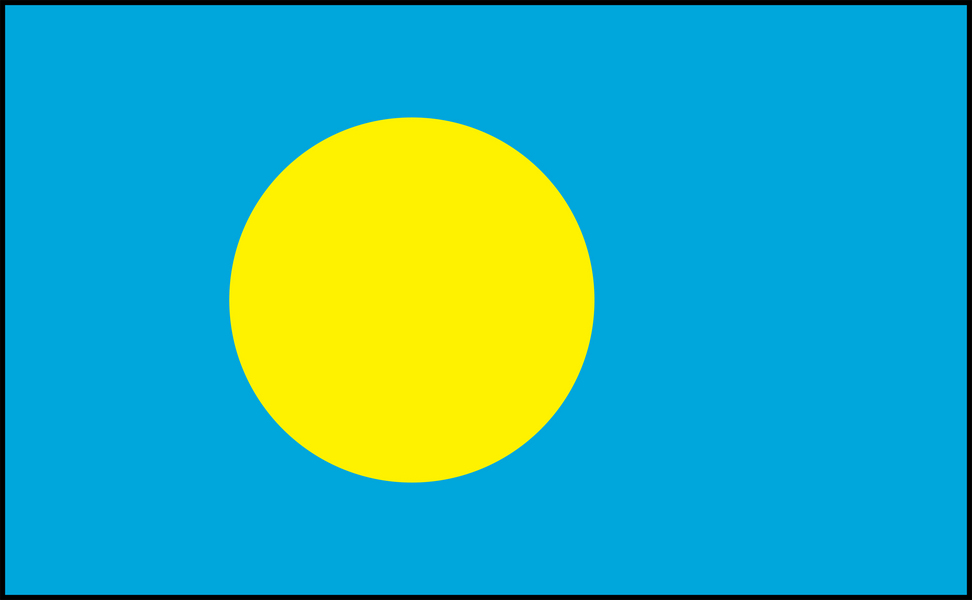
PalauPalau is a western Pacific nation of around 340 islands, famous for the Rock Islands, Jellyfish Lake and some of the strongest ocean protection laws in the world.
Capital city
Ngerulmud
Population
about 18,000
Area
459 km2
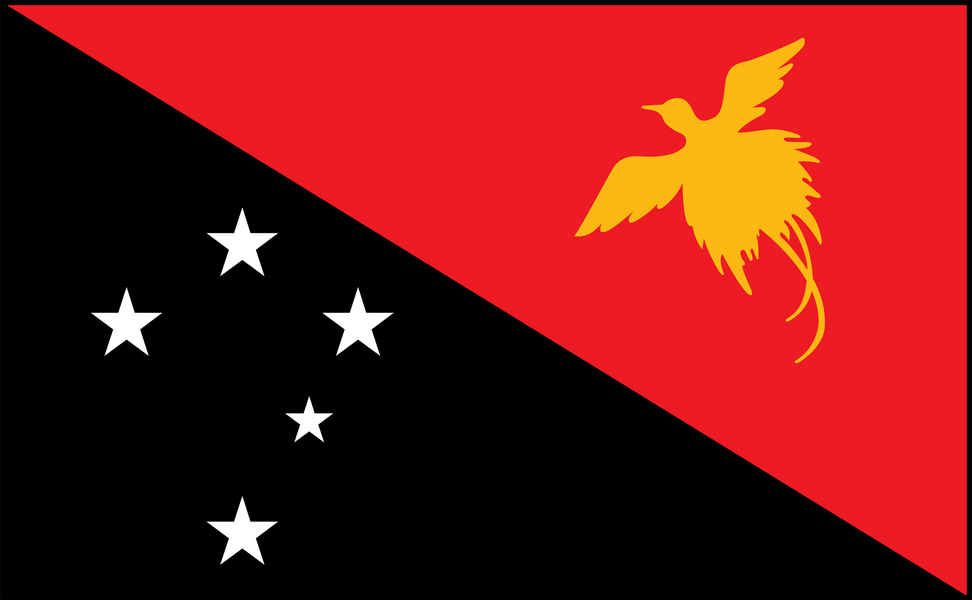
Papua New GuineaPapua New Guinea occupies the eastern half of the island of New Guinea. Its steep mountains and rainforest kept communities apart, giving it over 800 languages, more than any other country.
Capital city
Port Moresby
Population
about 10,000,000
Area
462,840 km2
SamoaSamoa is a Pacific nation of two main volcanic islands. It is known for fa'a Samoa, its traditional way of life, and for skipping a whole day in 2011 to change time zones.
Capital city
Apia
Population
about 220,000
Area
2,842 km2
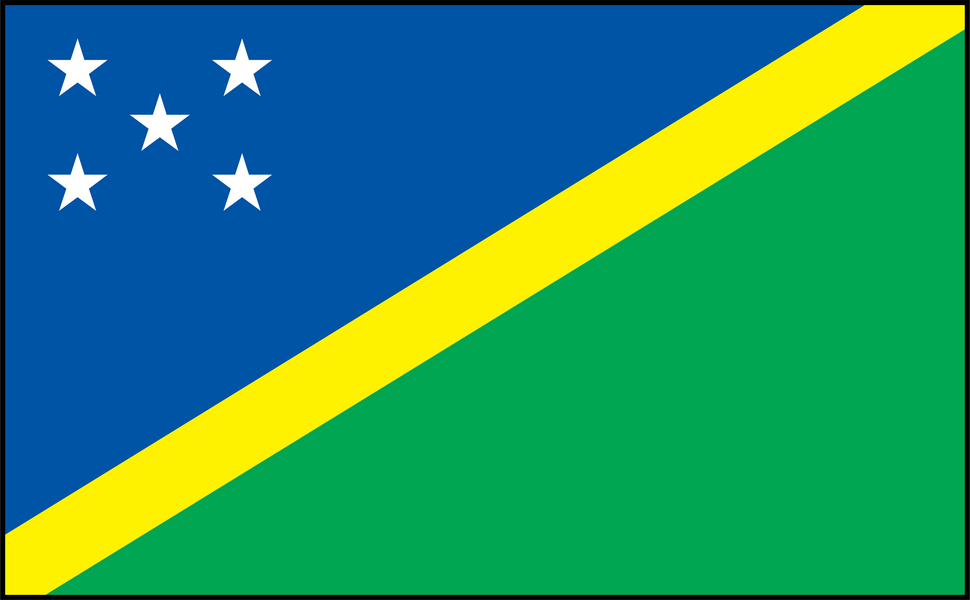
Solomon IslandsThe Solomon Islands are a Pacific nation of six large volcanic islands and around 900 smaller ones, with over 70 languages and a famous Second World War history.
Capital city
Honiara
Population
about 740,000
Area
28,896 km2
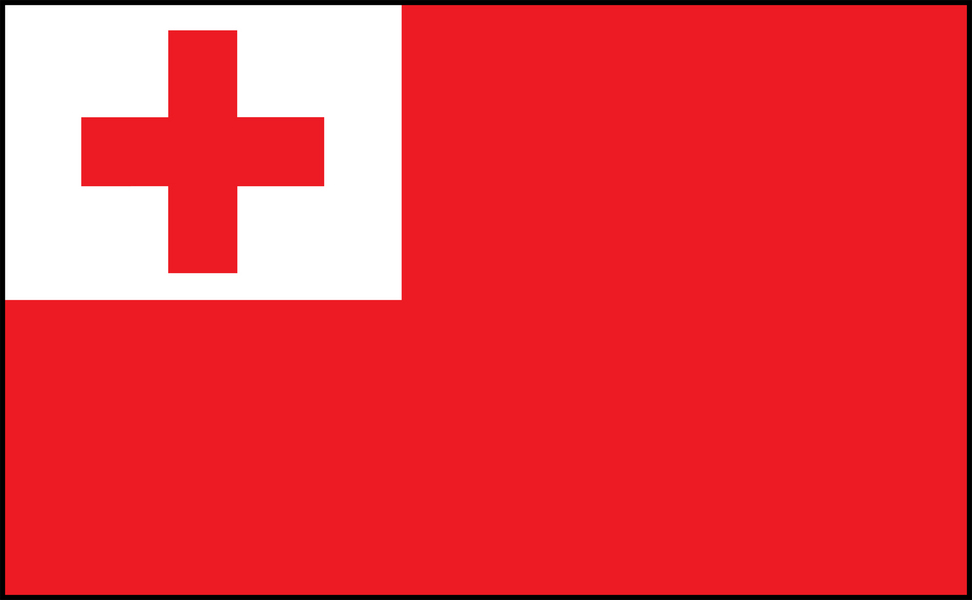
TongaTonga is a Pacific kingdom of about 170 islands and the only island nation in the region never ruled by a foreign power. It is still governed by a king.
Capital city
Nukualofa
Population
about 105,000
Area
747 km2
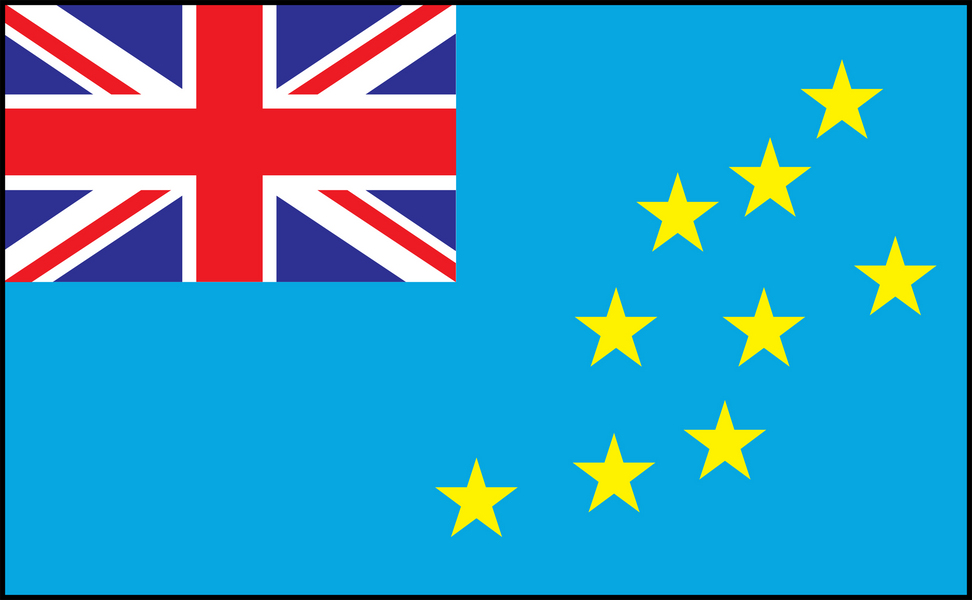
TuvaluTuvalu is one of the smallest countries in the world, nine low coral islands in the Pacific badly threatened by rising seas and famous for owning the .tv internet address.
Capital city
Funafuti
Population
about 11,000
Area
26 km2
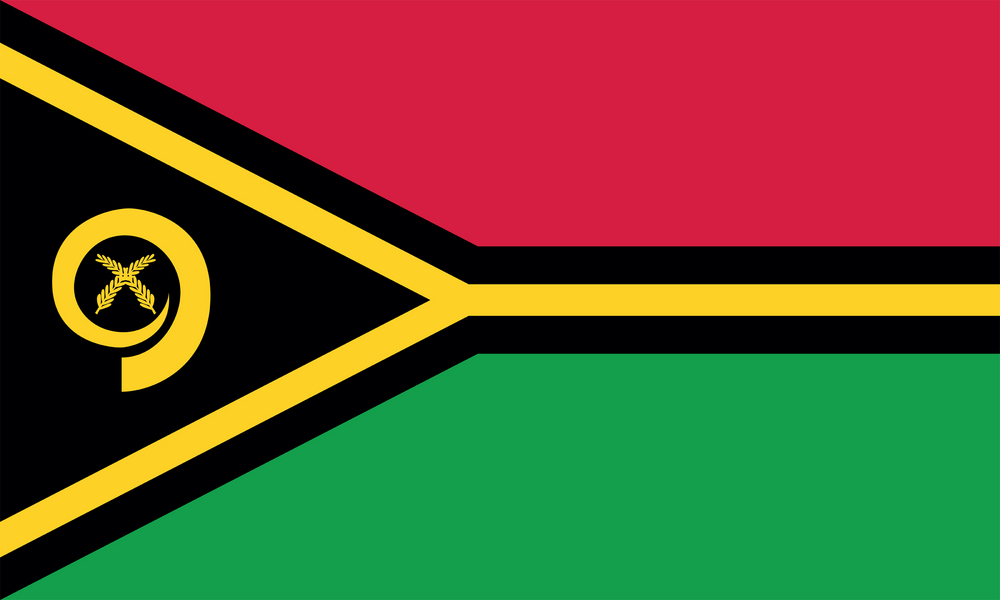
VanuatuVanuatu is a Pacific nation of 83 volcanic islands with active volcanoes, over 100 languages and the land diving ceremony that inspired bungee jumping.
Capital city
Port Vila
Population
about 330,000
Area
12,189 km2
Play this interactively at www.factsmania.org/countries/oceania