Europe is the smallest of the mostly-inhabited continents, but one of the most influential. It covers about 10,180,000 km2 (3.93 million square miles), roughly 7% of Earth’s land area, and is home to around 745 million people across 44 sovereign countries.
Where is Europe?
Europe occupies the western fifth of the giant Eurasian landmass. Its conventional boundary with Asia runs along the Ural Mountains, the Ural River, the Caspian Sea, the Caucasus Mountains, and the Black Sea. Europe is bordered by the Arctic Ocean to the north, the Atlantic Ocean to the west, and the Mediterranean Sea to the south, which separates Europe from Africa.
European geography
Europe is dominated by the Alps, which arc through France, Switzerland, Italy, Austria, Germany, and Slovenia; the highest Alpine peak is Mont Blanc (4,808 m). The Pyrenees separate Spain from France, and the Carpathian and Balkan ranges shape Eastern Europe. Europe’s highest point is Mount Elbrus in Russia (5,642 m). The longest river is the Volga (3,531 km), followed by the Danube and the Rhine. Europe has a deeply indented coastline with major peninsulas (Iberian, Italian, Balkan, Scandinavian) and seas including the Baltic, North, Adriatic, Aegean, and Mediterranean.
Regions of Europe
Western Europe, France, Germany, the United Kingdom, Ireland, the Netherlands, Belgium, Luxembourg, Switzerland, Austria, Monaco, Liechtenstein.
Northern Europe (Scandinavia and the Nordic countries), Norway, Sweden, Finland, Denmark, Iceland.
Eastern Europe, Poland, Czech Republic, Slovakia, Hungary, Romania, Bulgaria, Ukraine, Belarus, Moldova, the Baltic states (Estonia, Latvia, Lithuania), and European Russia.
Southern Europe, Italy, Spain, Portugal, Greece, Malta, Cyprus, and the Balkan nations (Croatia, Slovenia, Serbia, Bosnia and Herzegovina, Montenegro, Albania, North Macedonia, Kosovo).
Microstates, Vatican City (the world’s smallest country), San Marino, Andorra.
People, languages, and religions
Europe’s languages mostly belong to the Indo-European family. The biggest groups are the Romance languages (Spanish, French, Italian, Portuguese, Romanian), the Germanic languages (English, German, Dutch, Swedish, Norwegian, Danish), and the Slavic languages (Russian, Polish, Ukrainian, Czech, Serbian, Bulgarian). Finnish, Estonian, and Hungarian belong to the unrelated Uralic family; Greek, Albanian, and the Celtic languages are independent branches; Basque is unrelated to any other language. Christianity is the largest religion, with the Roman Catholic, Eastern Orthodox, and various Protestant branches all having European homelands.
Famous landmarks
Europe is packed with iconic sites: the Eiffel Tower in Paris, the Colosseum in Rome, the Acropolis in Athens, Big Ben in London, the Brandenburg Gate in Berlin, the Sagrada Família in Barcelona, the Leaning Tower of Pisa, the Tower Bridge, Stonehenge, the canals of Venice, the fjords of Norway, and the Northern Lights in the Arctic Circle.
Explore European countries
Choose any of Europe’s 44 sovereign countries below for its complete fact file.
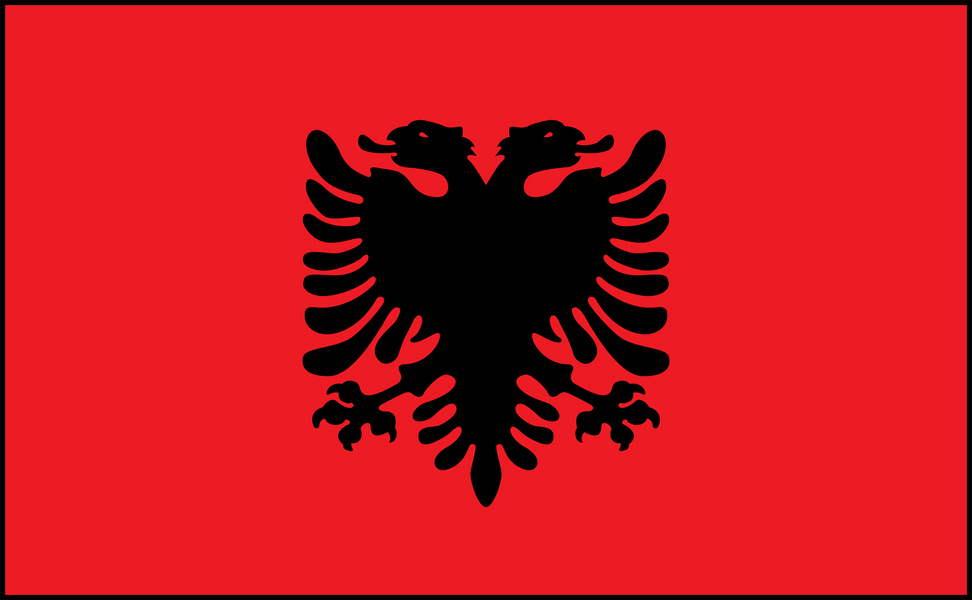
AlbaniaAlbania is a mountainous country on the Adriatic and Ionian coasts. Isolated under communist rule until 1991, it is known for its beaches, mountains and concrete bunkers.
Capital city
Tirana
Population
about 2,800,000
Area
28,748 km2
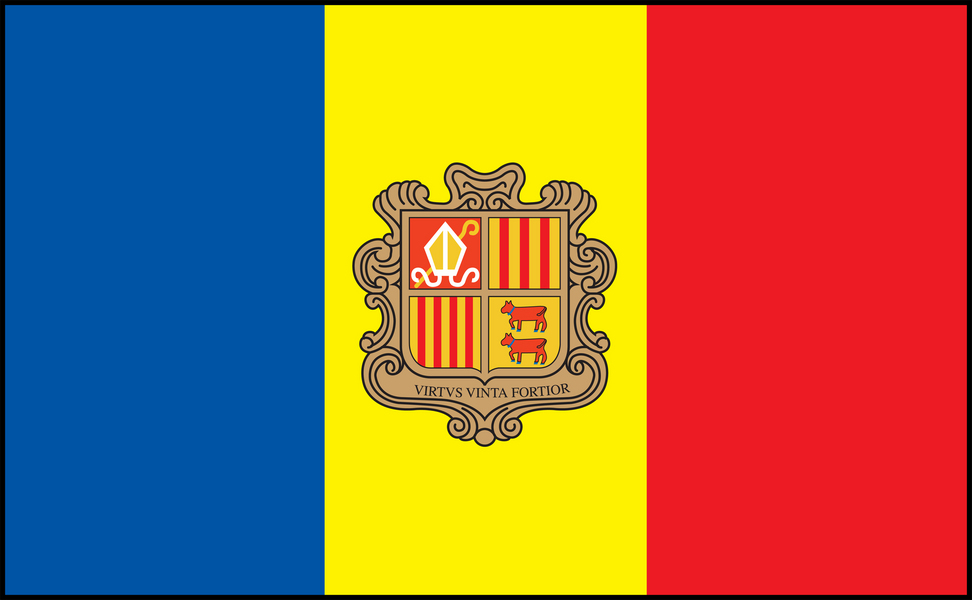
AndorraAndorra is a small mountainous country in the Pyrenees between France and Spain, jointly governed by two co-princes and known for skiing and duty-free shopping.
Capital city
Andorra la Vella
Population
about 80,000
Area
468 km2
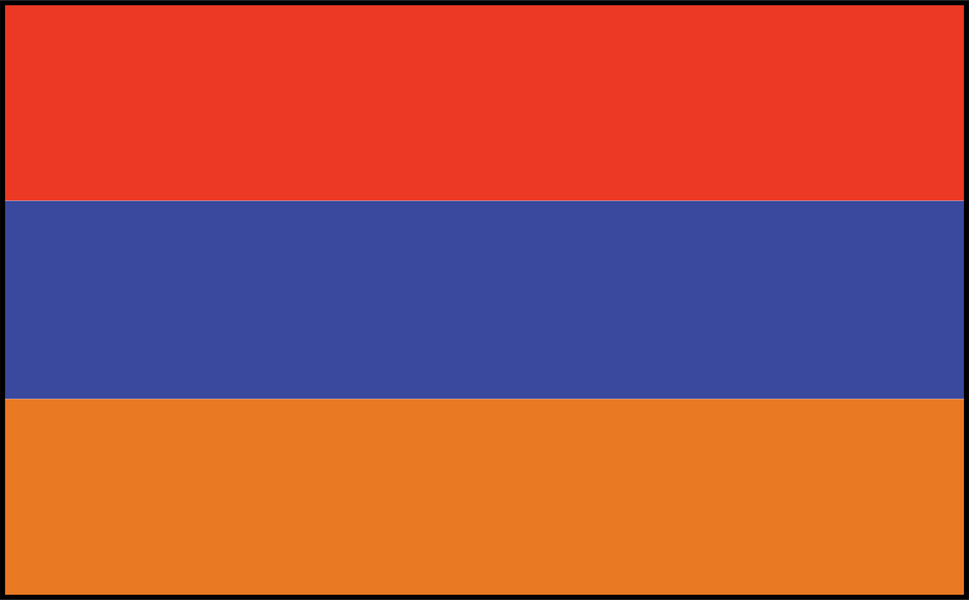
ArmeniaArmenia is a landlocked, mountainous country in the South Caucasus. It was the first nation to make Christianity its state religion and has its own unique alphabet.
Capital city
Yerevan
Population
about 3,000,000
Area
29,743 km2
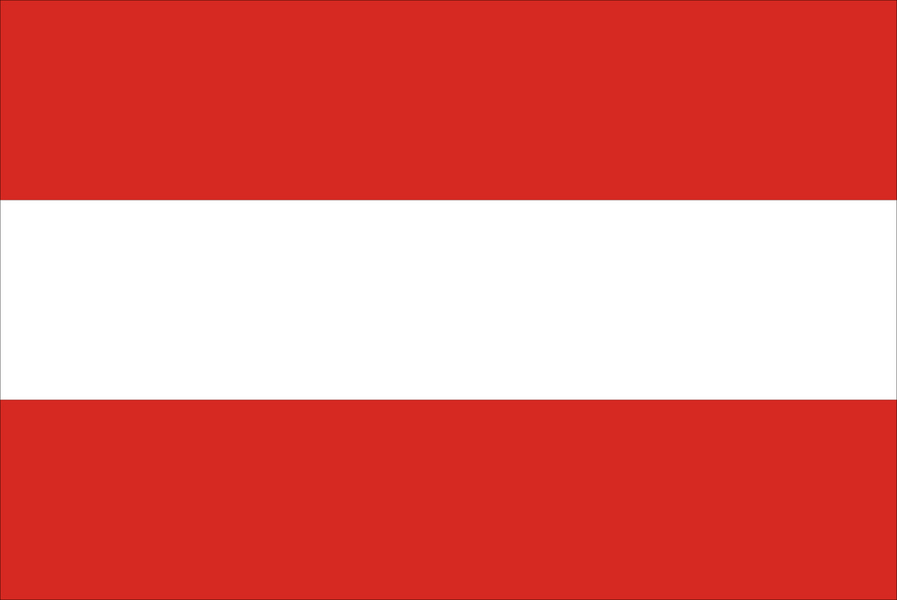
AustriaAustria is a landlocked alpine country in central Europe. Vienna was the capital of the Habsburg empire, and Austria has an extraordinary classical music tradition.
Capital city
Vienna
Population
about 9,100,000
Area
83,879 km2
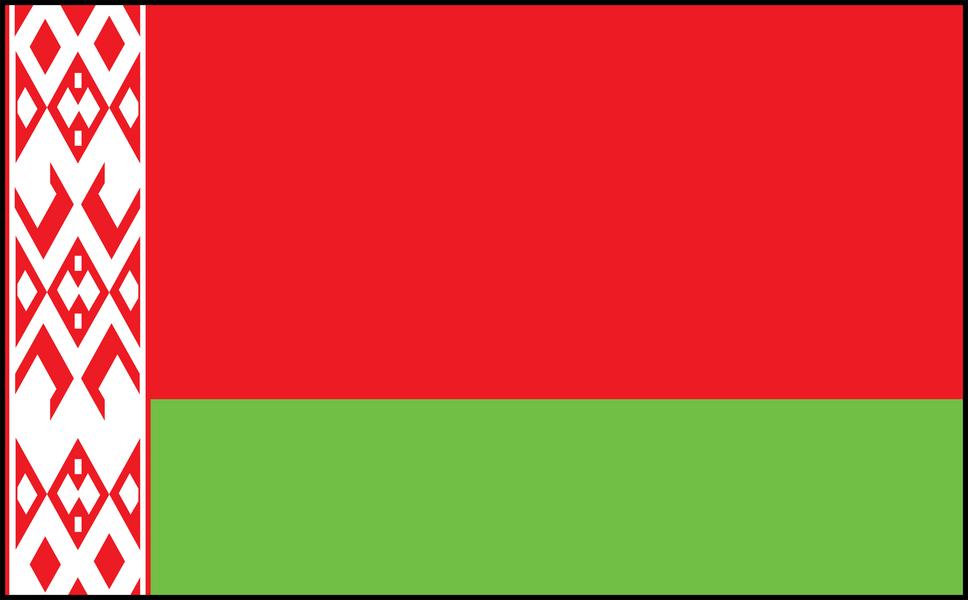
BelarusBelarus is a landlocked eastern European country of flat forests, marshes and lakes. It holds Europe's last primeval forest and its wild bison population.
Capital city
Minsk
Population
about 9,200,000
Area
207,600 km2
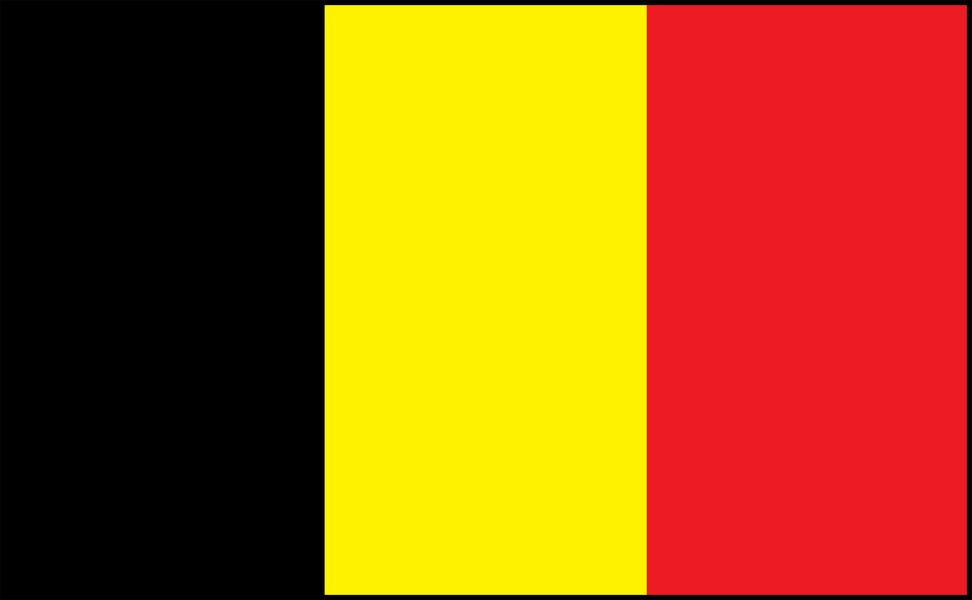
BelgiumBelgium is a small western European country with three official languages. Brussels is the headquarters of the European Union, and the country is famous for chocolate and comics.
Capital city
Brussels
Population
about 11,800,000
Area
30,528 km2
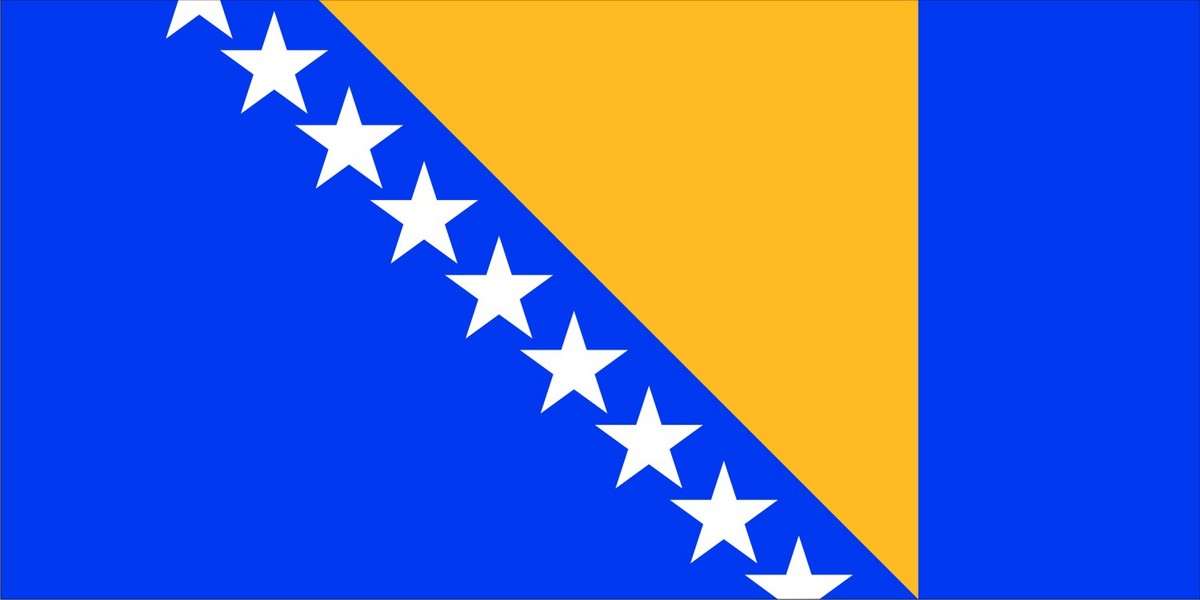
Bosnia and HerzegovinaBosnia and Herzegovina is a mountainous Balkan country with a rotating three-member presidency, famous for Sarajevo and the rebuilt Old Bridge at Mostar.
Capital city
Sarajevo
Population
about 3,200,000
Area
51,197 km2
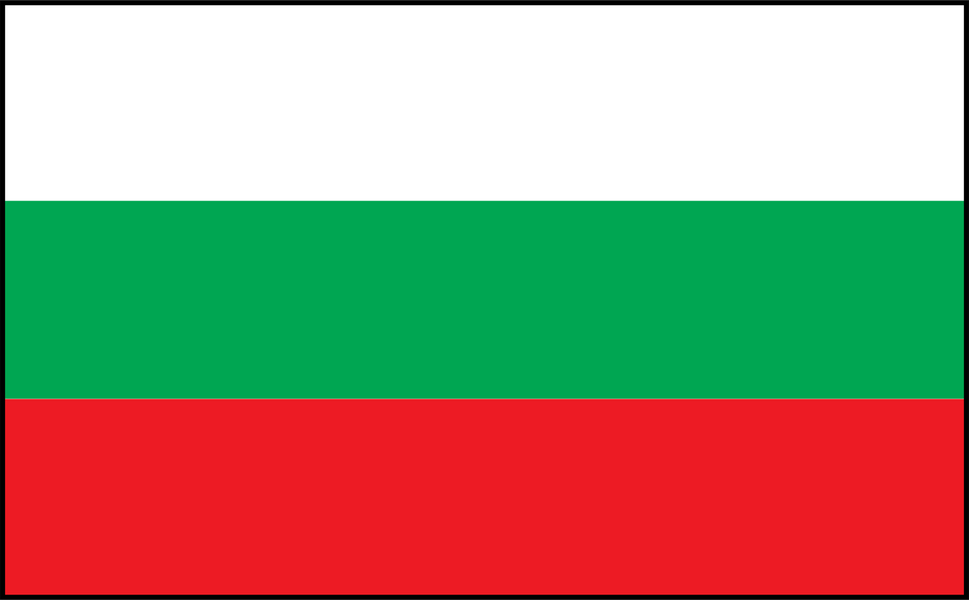
BulgariaBulgaria is a Balkan country with mountains, a Black Sea coast and the Danube along its northern edge. It is a leading producer of rose oil and the birthplace of Cyrillic.
Capital city
Sofia
Population
about 6,400,000
Area
110,879 km2
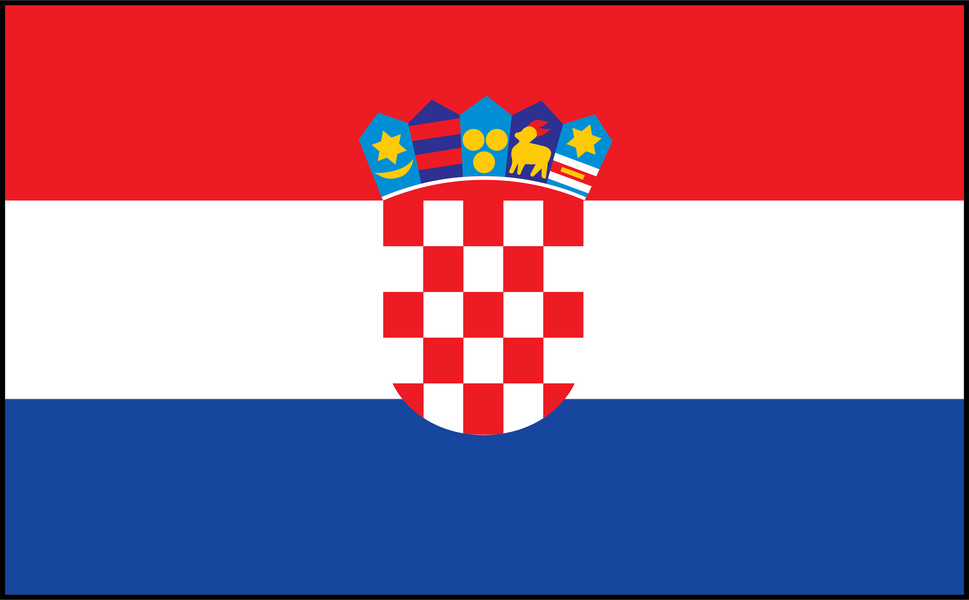
CroatiaCroatia is a crescent-shaped country on the Adriatic Sea with 1,244 islands, walled coastal cities and the terraced waterfalls of Plitvice Lakes.
Capital city
Zagreb
Population
about 3,900,000
Area
56,594 km2
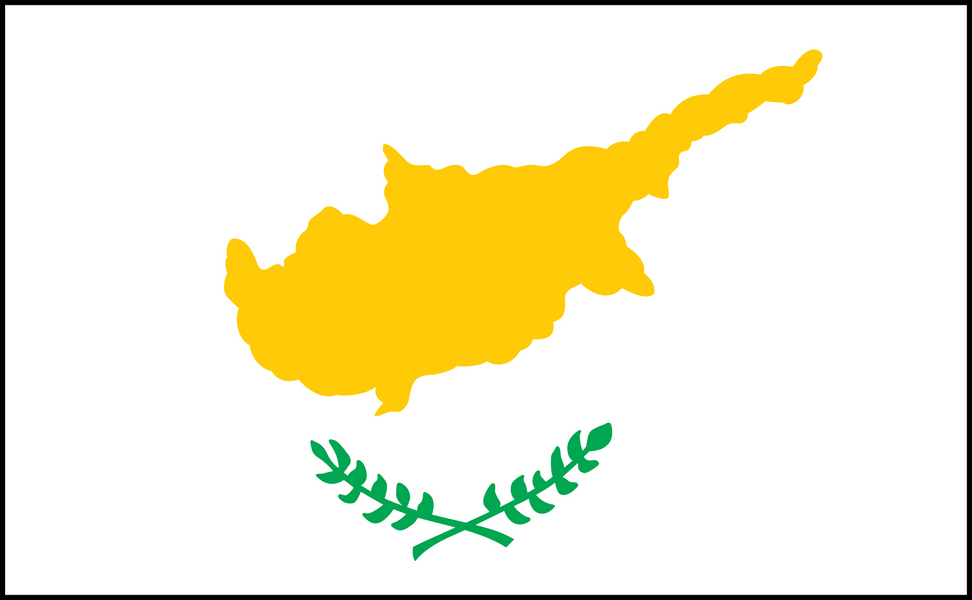
CyprusCyprus is the third largest island in the Mediterranean, divided since 1974 between the Republic of Cyprus in the south and Turkish-administered north.
Capital city
Nicosia
Population
about 1,300,000
Area
9,251 km2
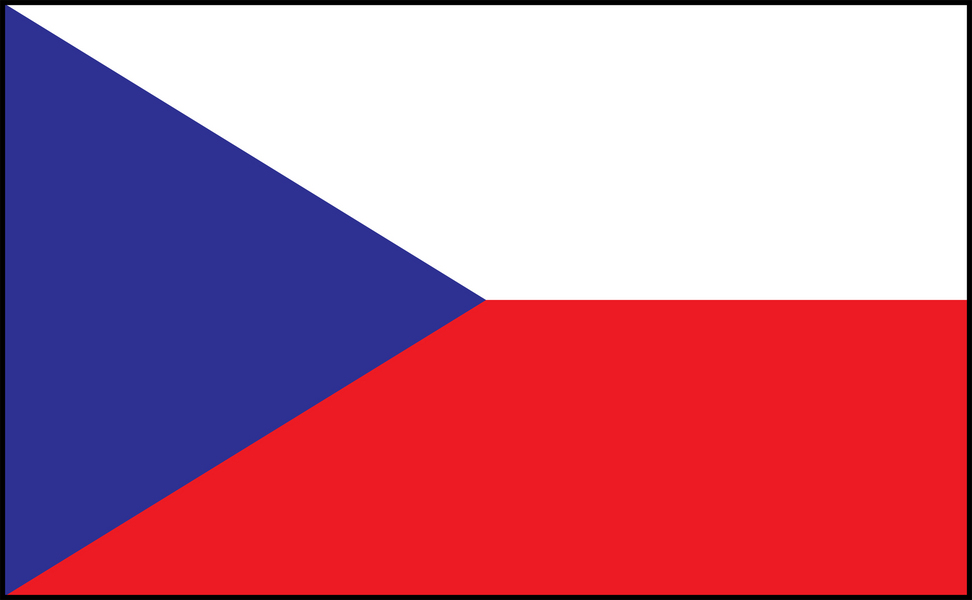
Czech RepublicThe Czech Republic is a landlocked central European country made up of Bohemia, Moravia and Czech Silesia. Prague is famous for its intact medieval centre.
Capital city
Prague
Population
about 10,900,000
Area
78,871 km2
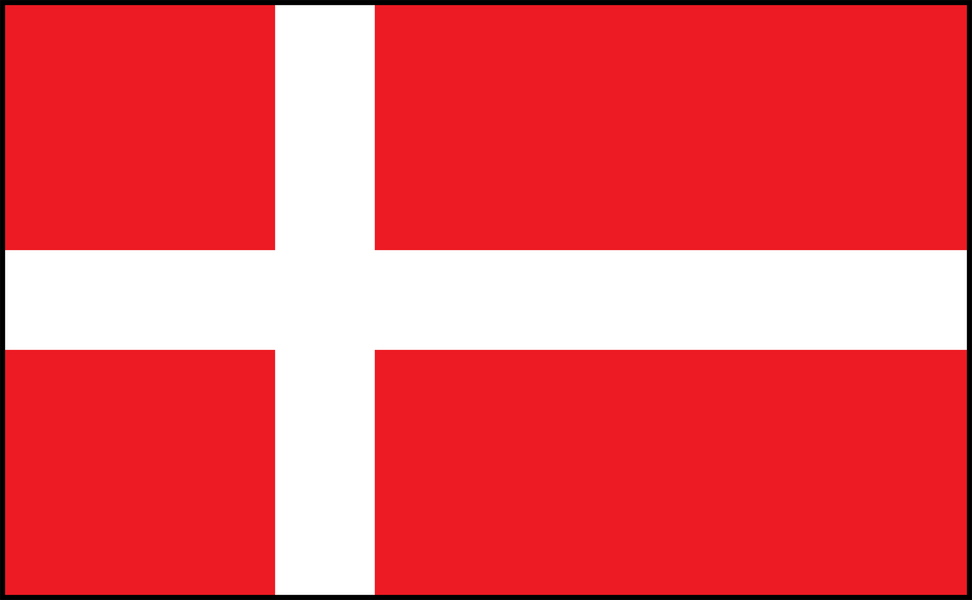
DenmarkDenmark is a flat, low-lying Nordic country of one peninsula and around 400 islands. It is the home of Lego, Hans Christian Andersen and the world's oldest national flag.
Capital city
Copenhagen
Population
about 5,900,000
Area
42,952 km2 (Denmark proper)
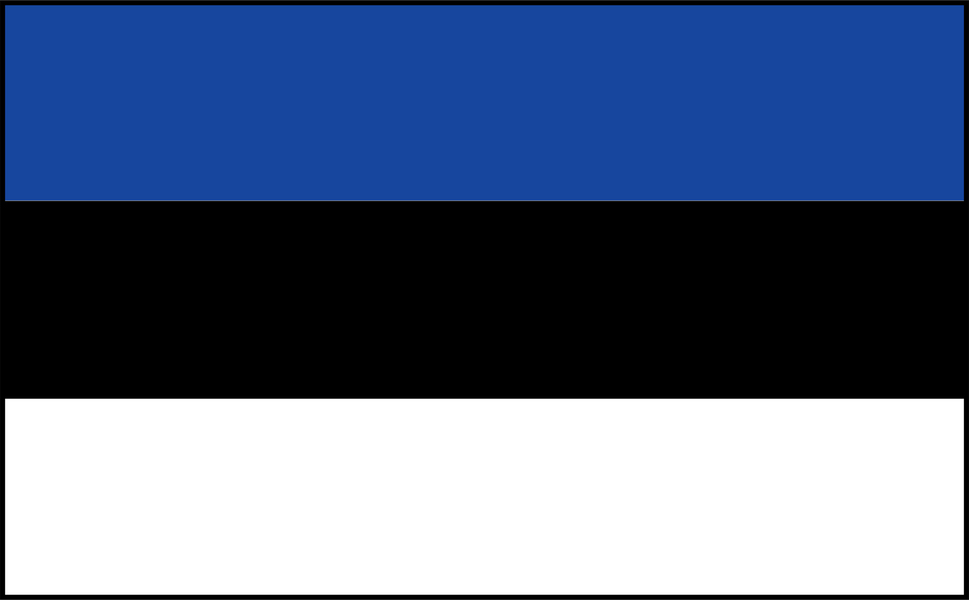
EstoniaEstonia is the smallest and most northerly Baltic state, a flat, forested country with over 2,000 islands and one of the most digital governments in the world.
Capital city
Tallinn
Population
about 1,400,000
Area
45,227 km2
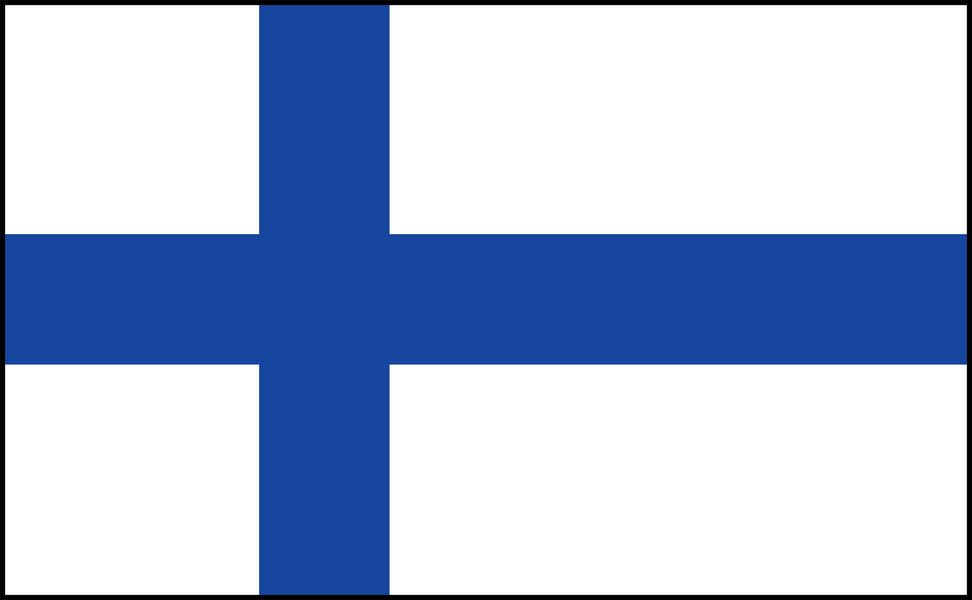
FinlandFinland is a northern European country of forests and around 188,000 lakes. It has consistently ranked as the happiest country in the world and is famous for saunas.
Capital city
Helsinki
Population
about 5,600,000
Area
338,455 km2
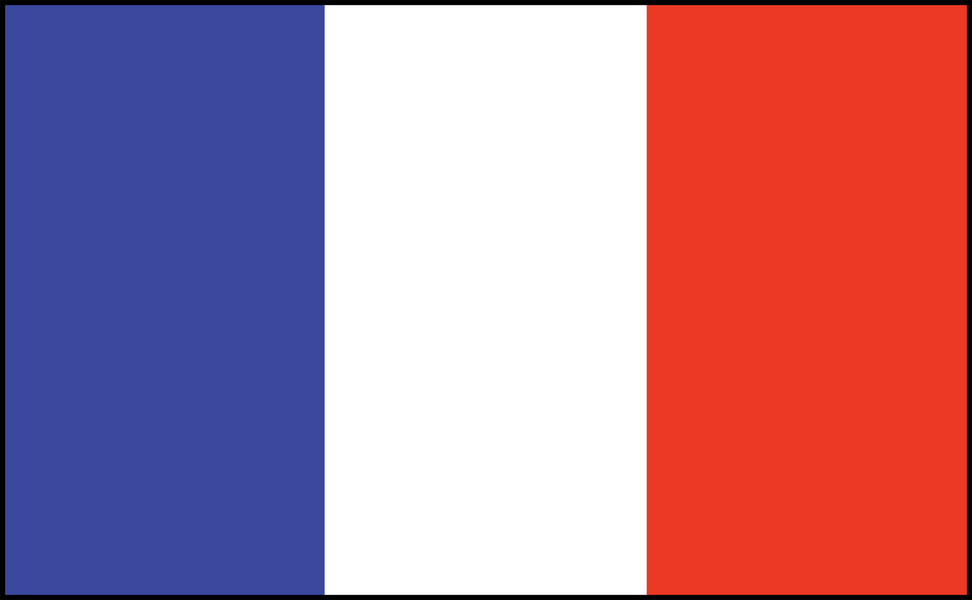
FranceFrance is the largest country in the European Union by area. It is the most visited country in the world, famous for Paris, the Alps, its food and its language.
Capital city
Paris
Population
about 68,000,000
Area
551,695 km2 (mainland France)
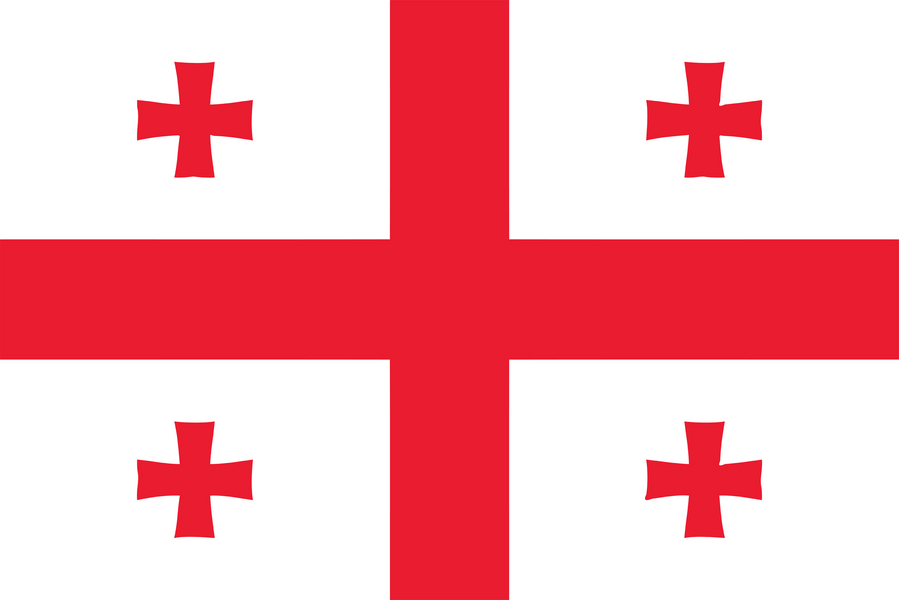
GeorgiaGeorgia lies between the Black Sea and the Caucasus Mountains at the meeting of Europe and Asia. It has the world's oldest winemaking tradition and its own alphabet.
Capital city
Tbilisi
Population
about 3,700,000
Area
69,700 km2
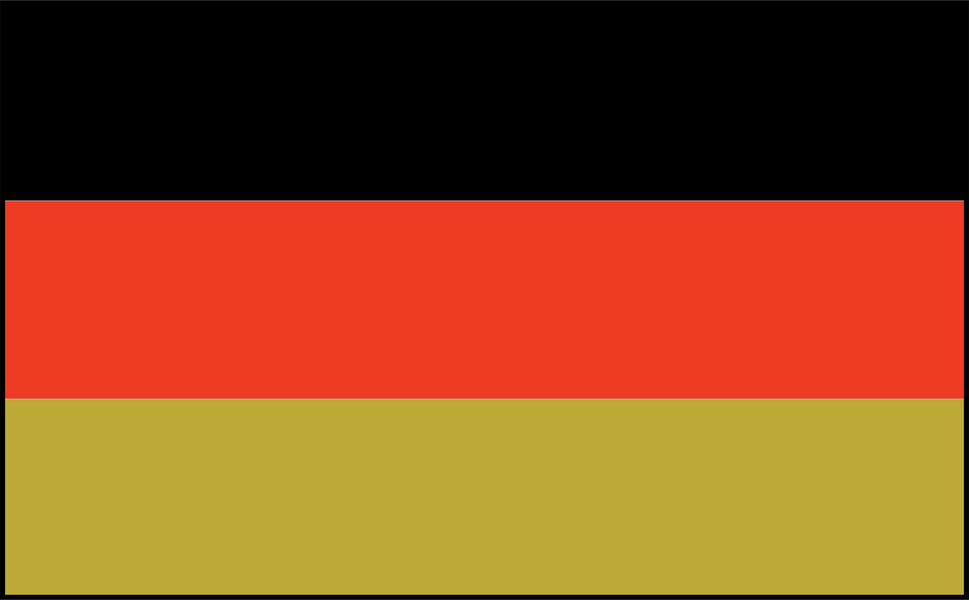
GermanyGermany is the most populous country in the European Union and has the largest economy in Europe. It was divided into East and West from 1949 until 1990.
Capital city
Berlin
Population
about 84,000,000
Area
357,596 km2
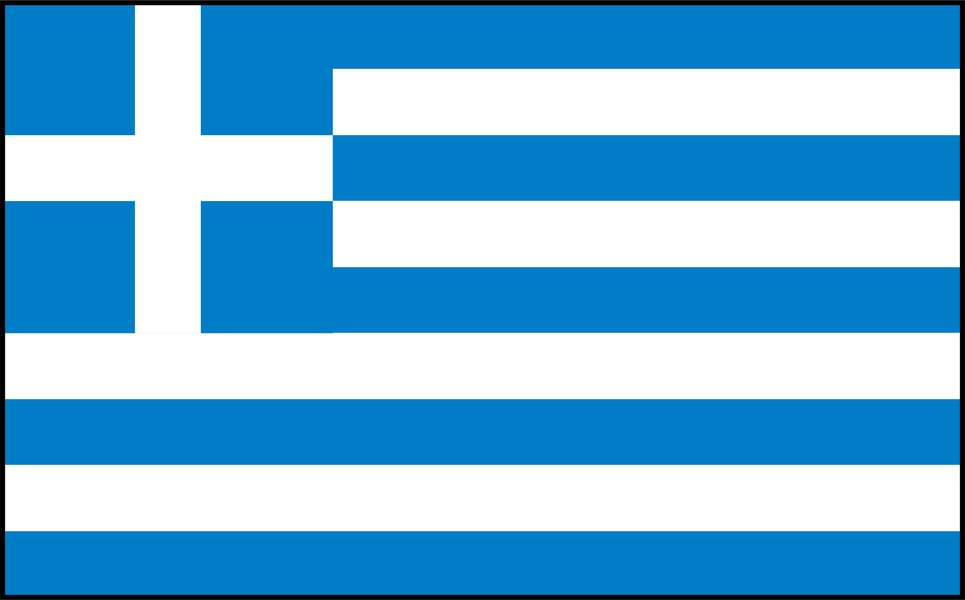
GreeceGreece is a mountainous country in south-east Europe with around 6,000 islands. It was the birthplace of democracy, theatre and the Olympic Games.
Capital city
Athens
Population
about 10,400,000
Area
131,957 km2
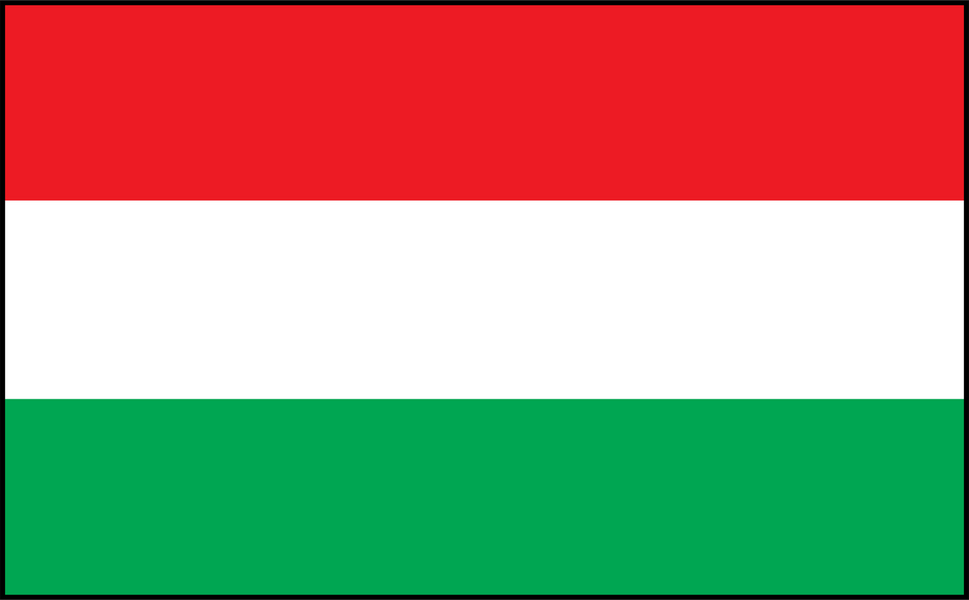
HungaryHungary is a landlocked central European country on the Great Hungarian Plain. It is known for its thermal baths, the Danube, and a language unrelated to its neighbours.
Capital city
Budapest
Population
about 9,600,000
Area
93,030 km2
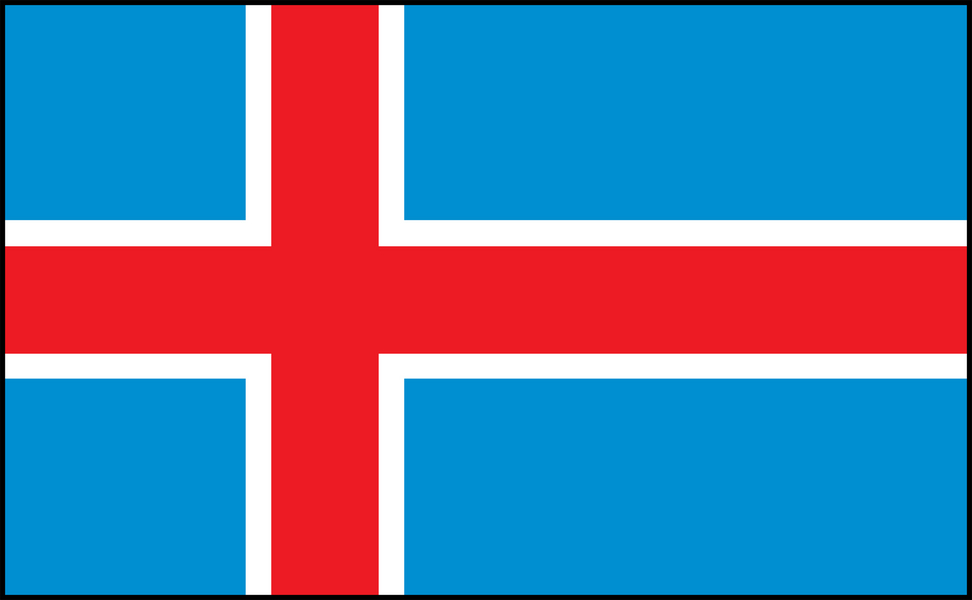
IcelandIceland is a volcanic island in the north Atlantic sitting on the boundary between two tectonic plates. It runs almost entirely on geothermal and hydroelectric power.
Capital city
Reykjavik
Population
about 390,000
Area
103,000 km2
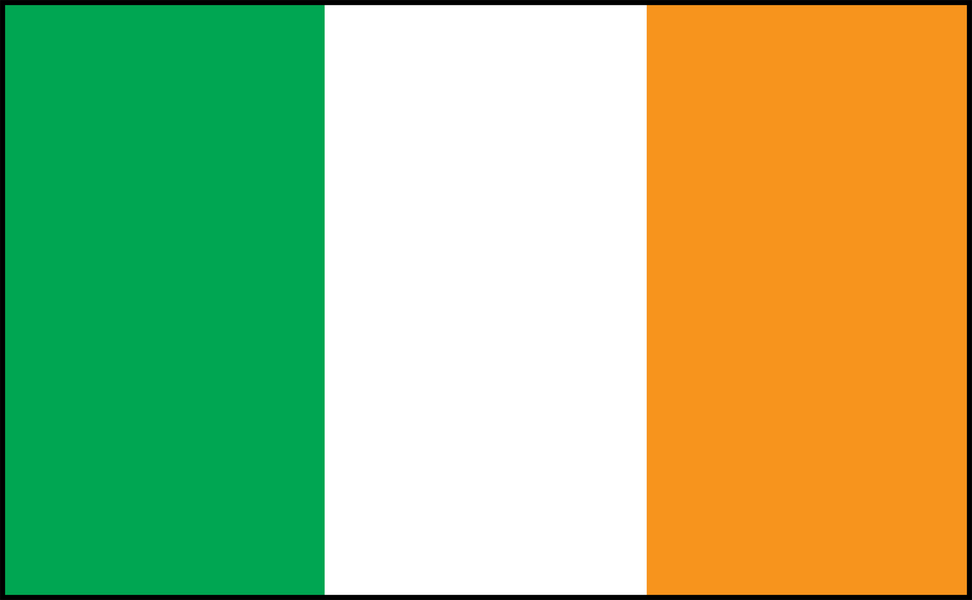
IrelandIreland occupies most of the island of Ireland in the north Atlantic. Known as the Emerald Isle for its green landscape, it has ancient monuments and a strong literary tradition.
Capital city
Dublin
Population
about 5,300,000
Area
70,273 km2
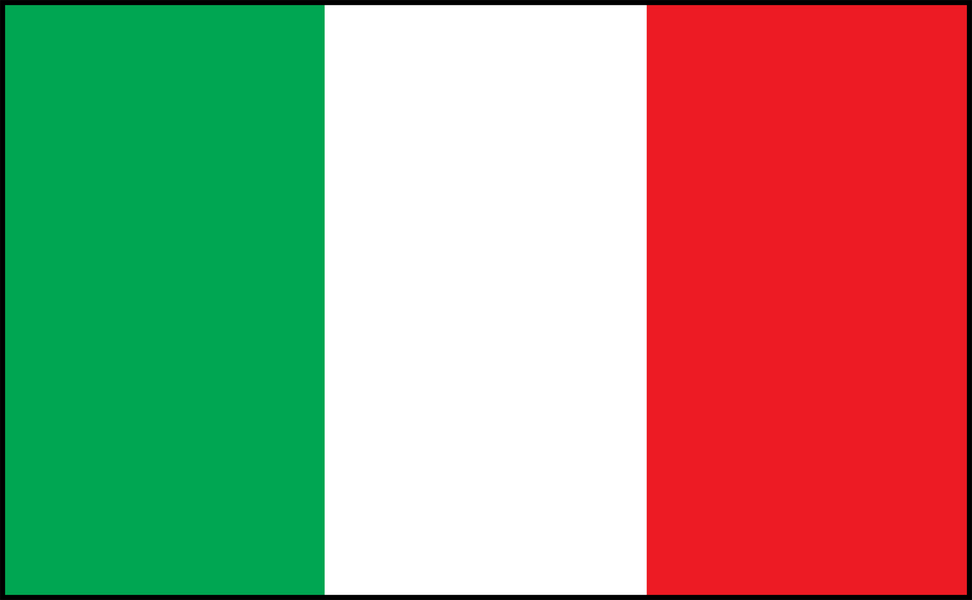
ItalyItaly is a boot-shaped country in southern Europe, home of the Roman Empire and the Renaissance. It has more World Heritage Sites than any other nation.
Capital city
Rome
Population
about 59,000,000
Area
301,340 km2
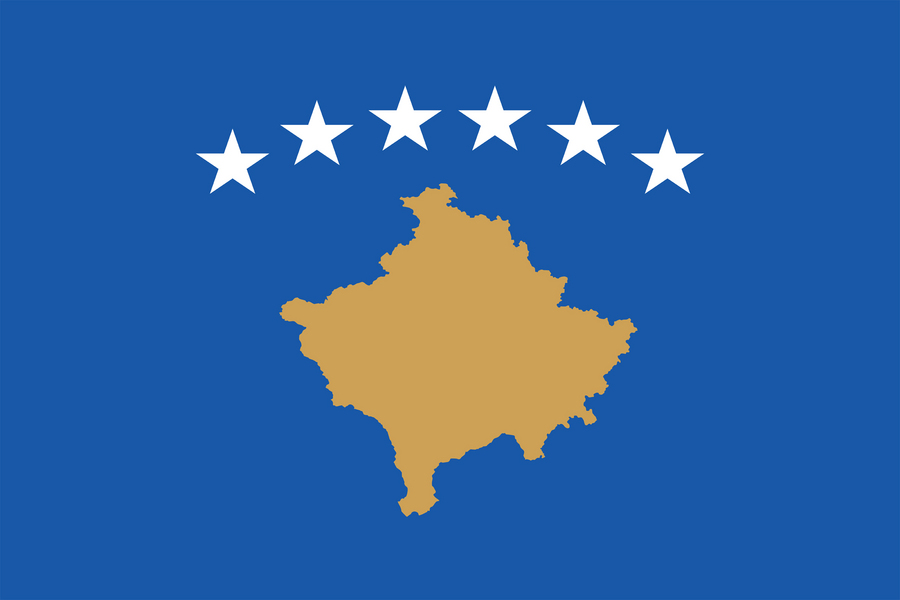
KosovoKosovo is a landlocked country in the western Balkans and the youngest state in Europe, having declared independence from Serbia in 2008.
Capital city
Pristina
Population
about 1,600,000
Area
10,887 km2
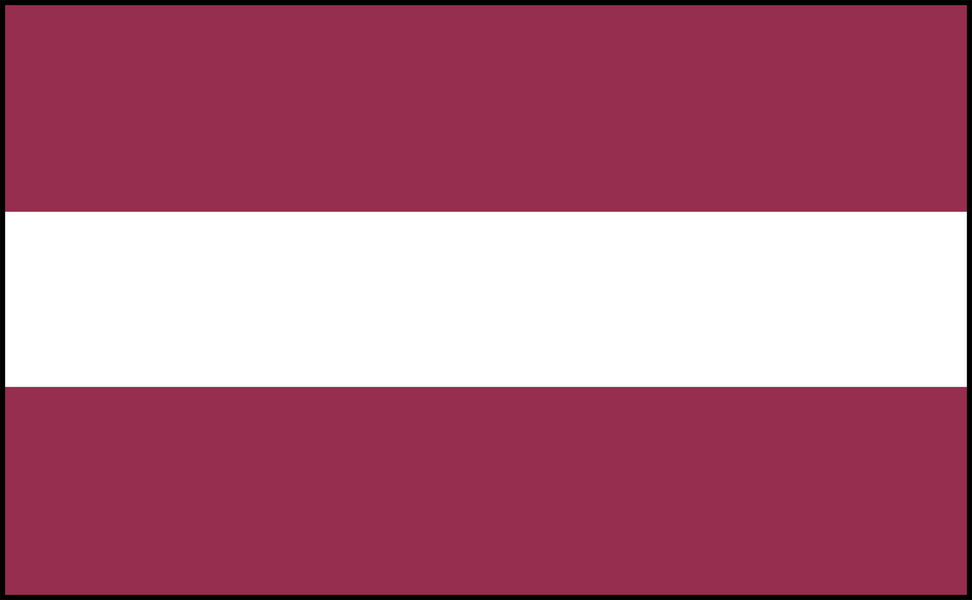
LatviaLatvia is the middle of the three Baltic states, a low country over half covered in forest, with a long Baltic coastline and an art nouveau capital at Riga.
Capital city
Riga
Population
about 1,900,000
Area
64,559 km2
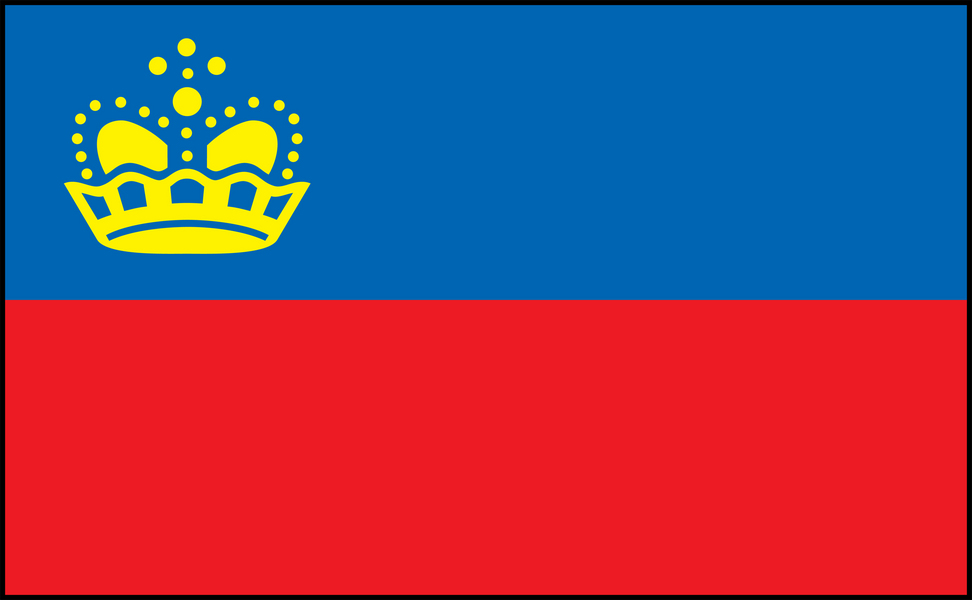
LiechtensteinLiechtenstein is a tiny Alpine principality between Switzerland and Austria. It is one of only two doubly landlocked countries in the world.
Capital city
Vaduz
Population
about 40,000
Area
160 km2
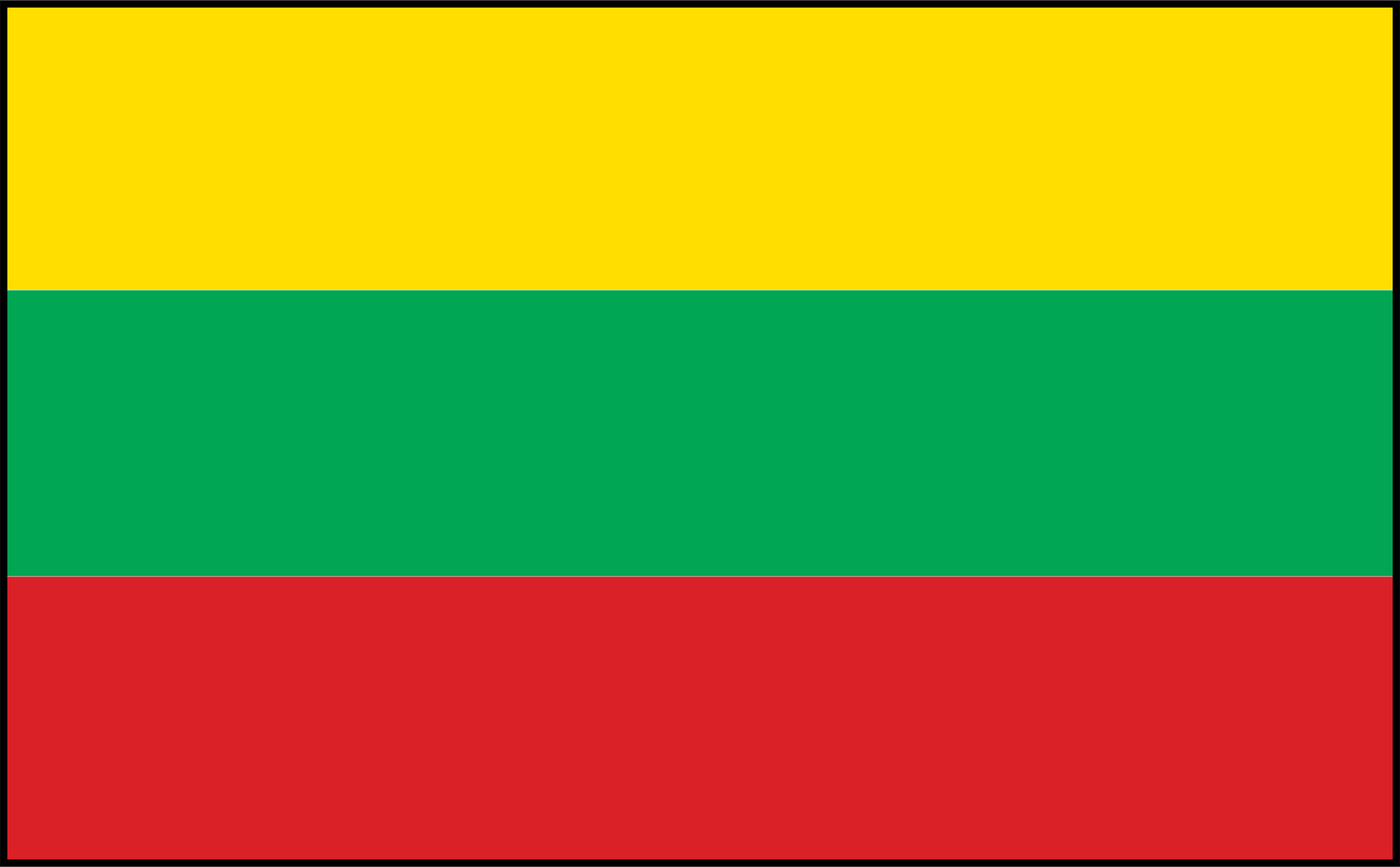
LithuaniaLithuania is the largest of the three Baltic states, a low country of forests and lakes with a Baltic coast famous for amber and the Curonian Spit dunes.
Capital city
Vilnius
Population
about 2,900,000
Area
65,300 km2
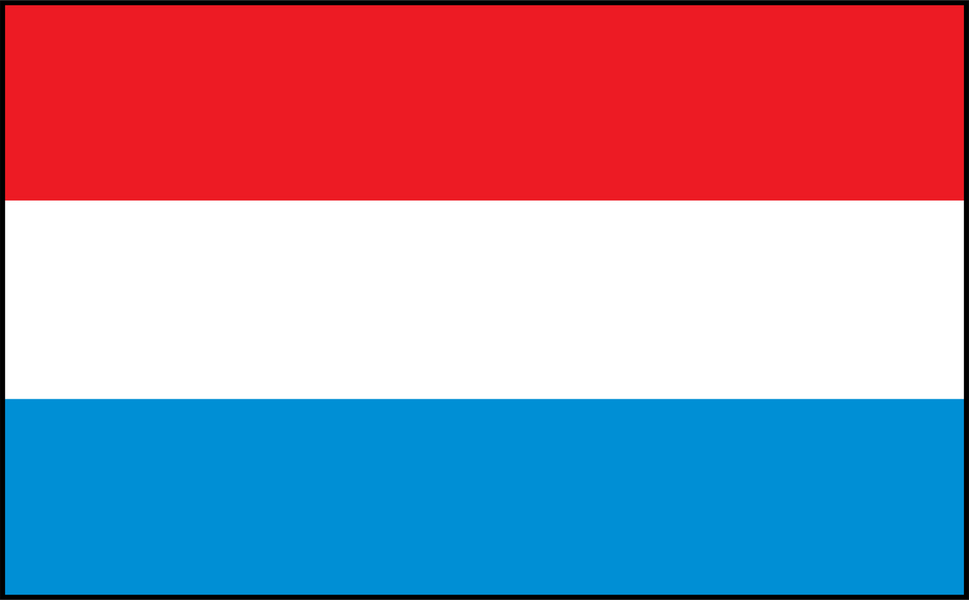
LuxembourgLuxembourg is a small landlocked country between Belgium, France and Germany. It is a founding member of the EU and has the highest income per person in the world.
Capital city
Luxembourg
Population
about 670,000
Area
2,586 km2
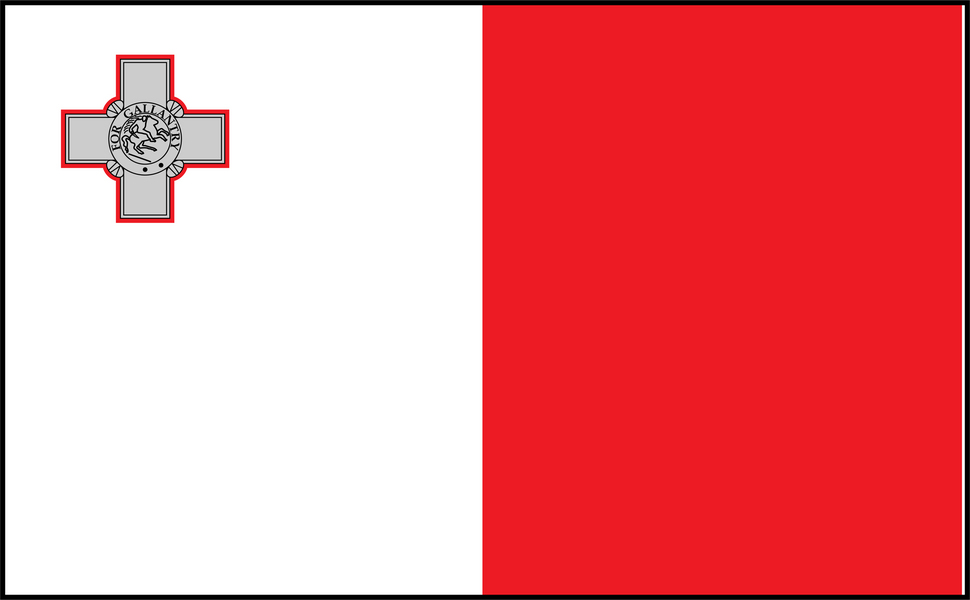
MaltaMalta is a small Mediterranean island nation between Sicily and North Africa, packed with prehistoric temples, fortified cities and one of the densest populations anywhere.
Capital city
Valletta
Population
about 540,000
Area
316 km2
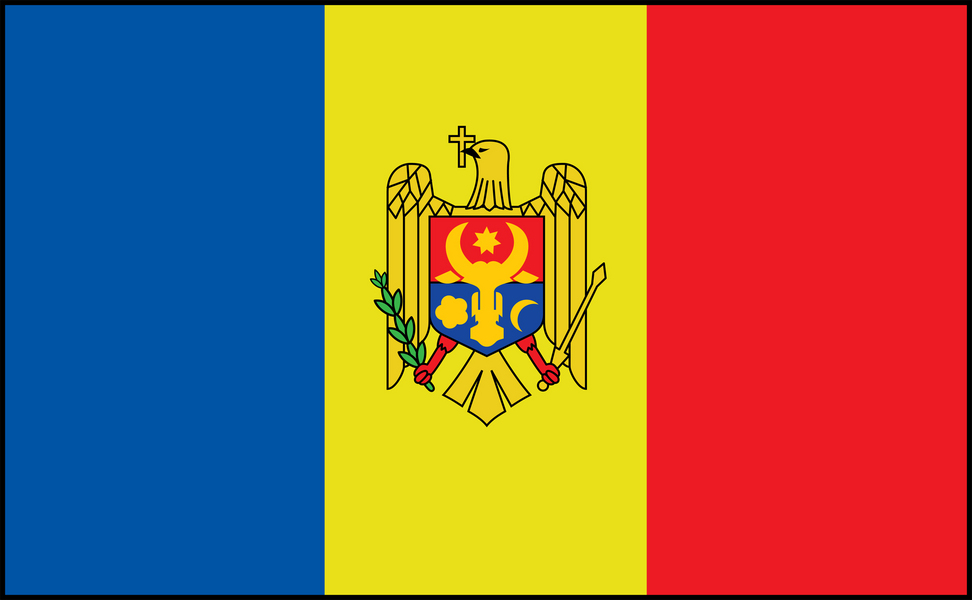
MoldovaMoldova is a small landlocked country between Romania and Ukraine, with rolling farmland, exceptionally fertile soil and the largest wine cellars in the world.
Capital city
Chisinau
Population
about 2,500,000
Area
33,846 km2
MonacoMonaco is a tiny city-state on the French Riviera, the second smallest country in the world and the most densely populated. It has been ruled by the Grimaldi family since 1297.
Capital city
Monaco
Population
about 39,000
Area
2.08 km2
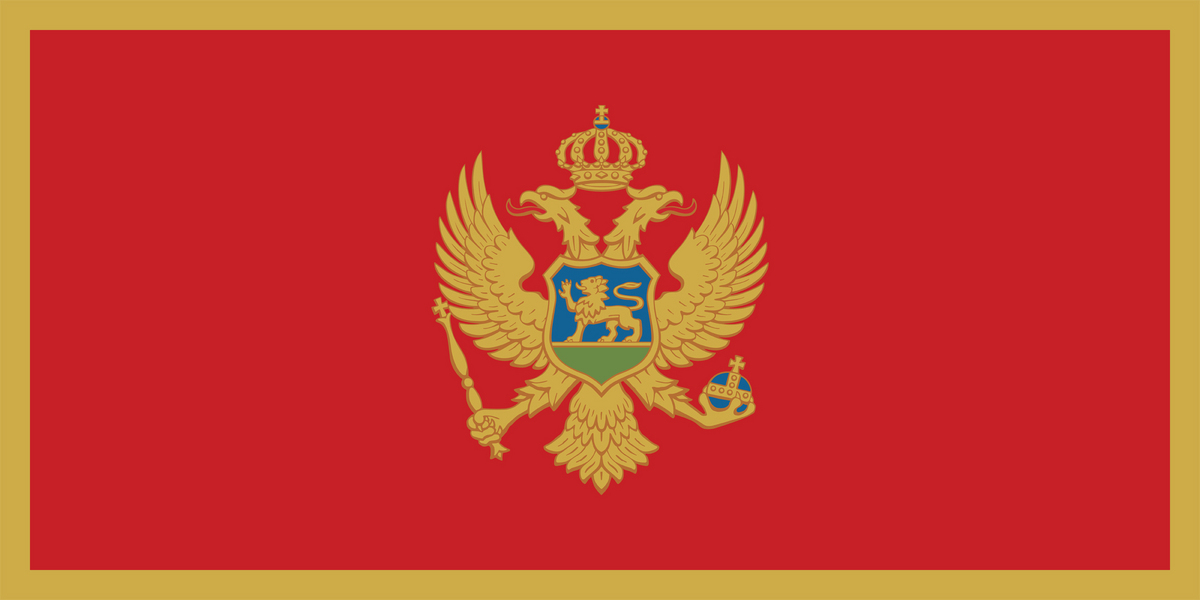
MontenegroMontenegro is a small Balkan country on the Adriatic with dramatic mountains, the Bay of Kotor and the deepest canyon in Europe.
Capital city
Podgorica
Population
about 620,000
Area
13,812 km2
NetherlandsThe Netherlands is a low, flat country in western Europe where about a quarter of the land lies below sea level, protected by dykes and reclaimed from the sea.
Capital city
Amsterdam (the government sits in The Hague)
Population
about 18,000,000
Area
41,850 km2
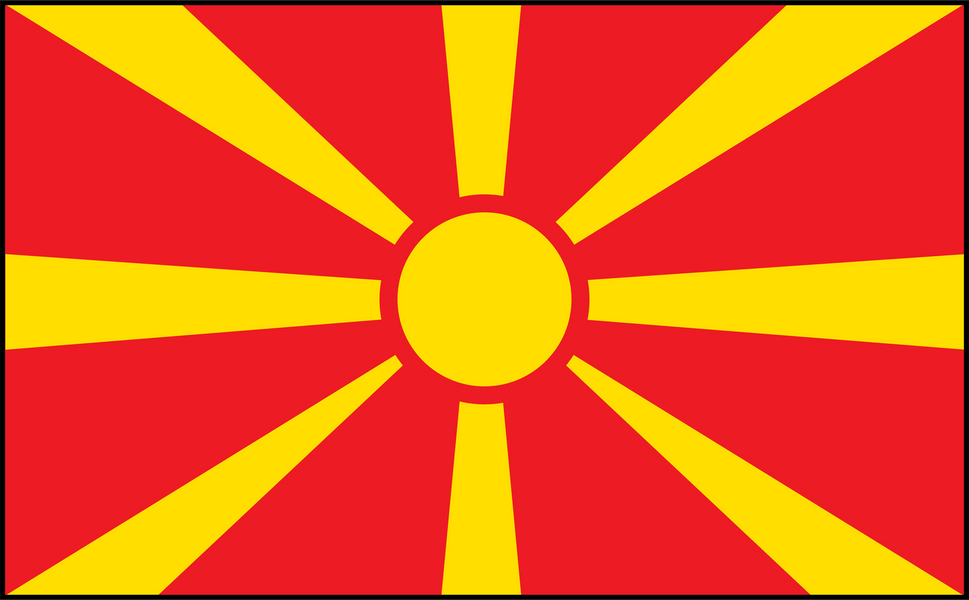
North MacedoniaNorth Macedonia is a landlocked country in the southern Balkans, known for ancient Lake Ohrid, mountains and a long dispute with Greece over its name.
Capital city
Skopje
Population
about 1,800,000
Area
25,713 km2
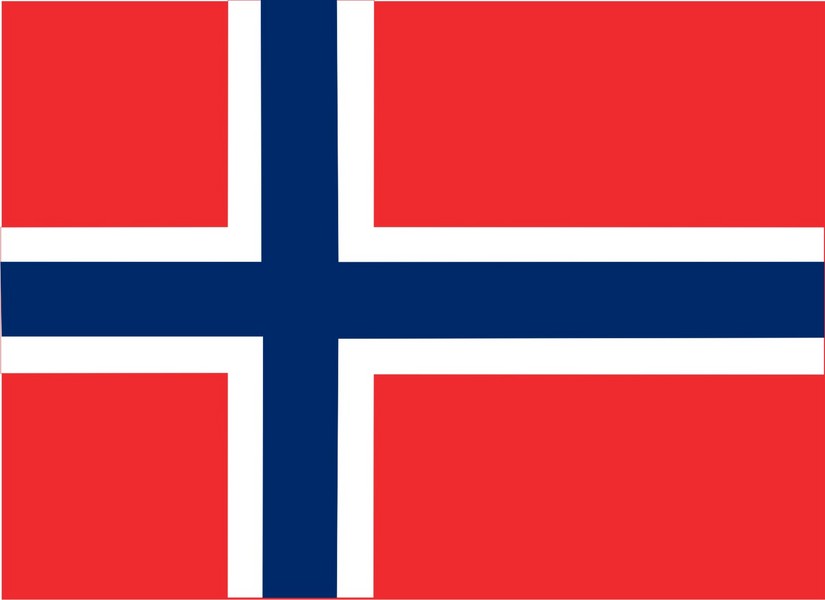
NorwayNorway runs along the western edge of Scandinavia. It is famous for its deep fjords, the midnight sun, the northern lights and one of the highest living standards in the world.
Capital city
Oslo
Population
about 5,500,000
Area
385,207 km2
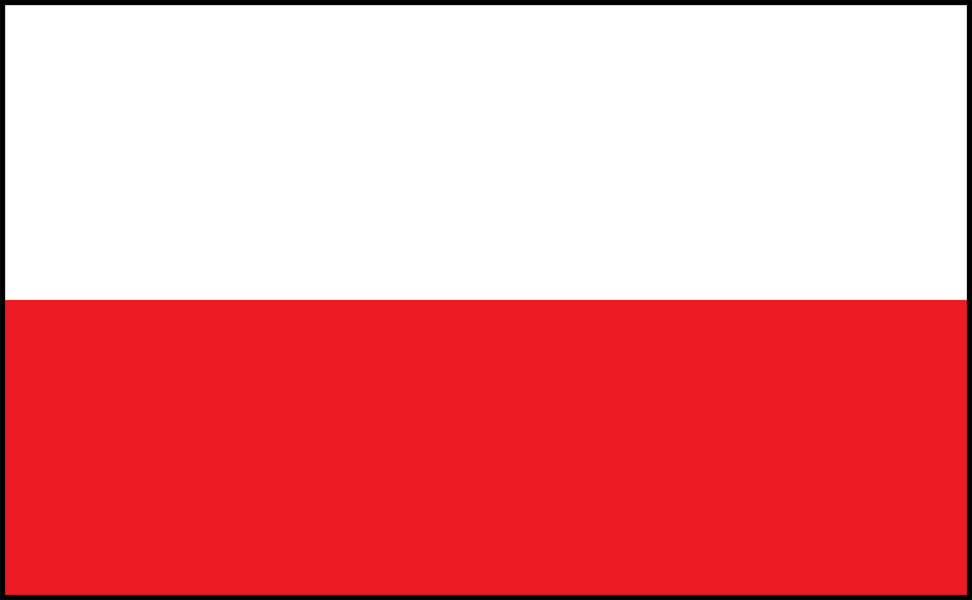
PolandPoland is a large central European country on the North European Plain. Its borders have shifted repeatedly through history, and it disappeared from the map for 123 years.
Capital city
Warsaw
Population
about 37,000,000
Area
312,696 km2
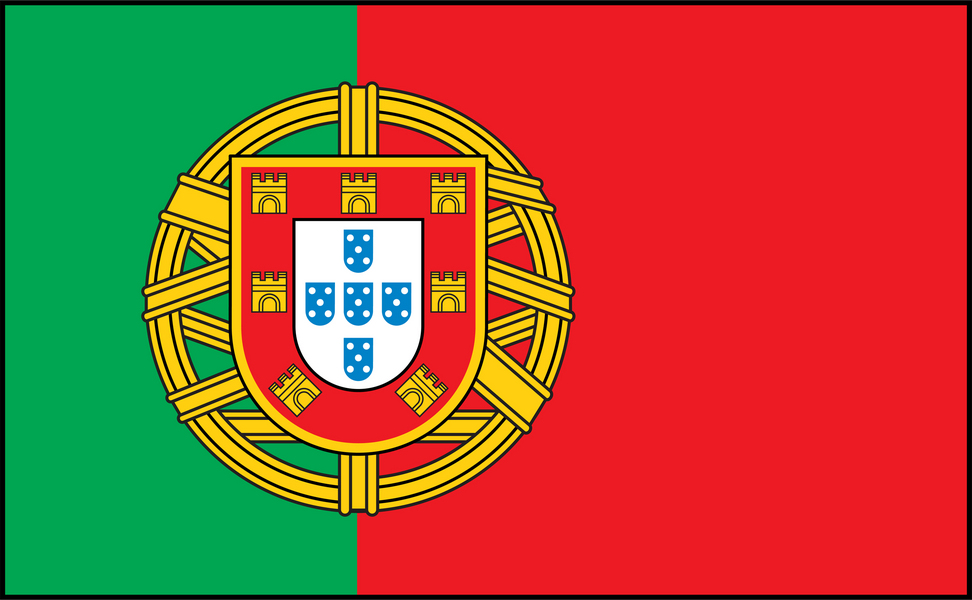
PortugalPortugal is on the western edge of the Iberian Peninsula. Its sailors led the Age of Discovery, and its language is now spoken by around 260 million people worldwide.
Capital city
Lisbon
Population
about 10,500,000
Area
92,212 km2
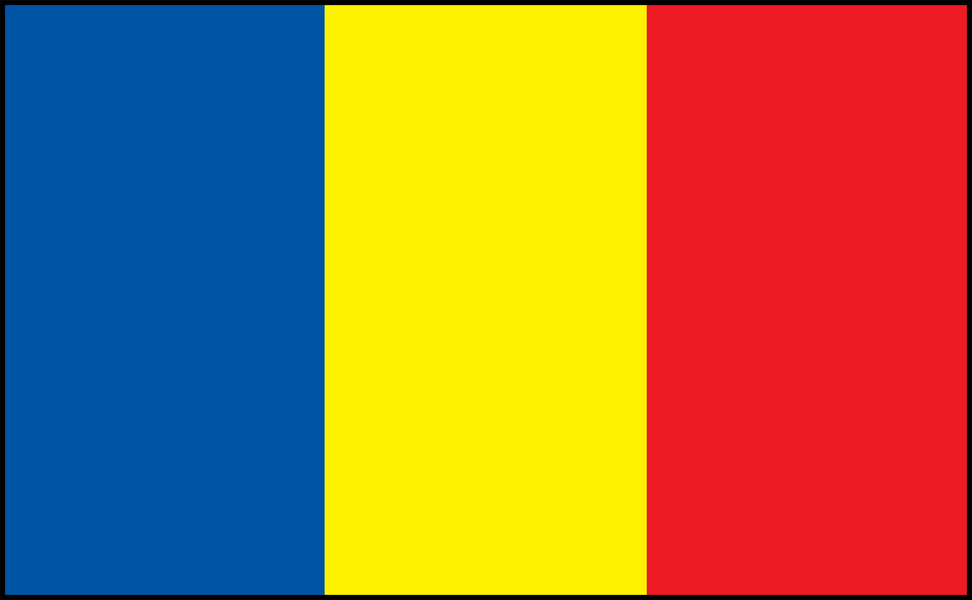
RomaniaRomania is a country in south-east Europe crossed by the Carpathian Mountains. It contains Transylvania, the Danube Delta and much of Europe's brown bear population.
Capital city
Bucharest
Population
about 19,000,000
Area
238,397 km2
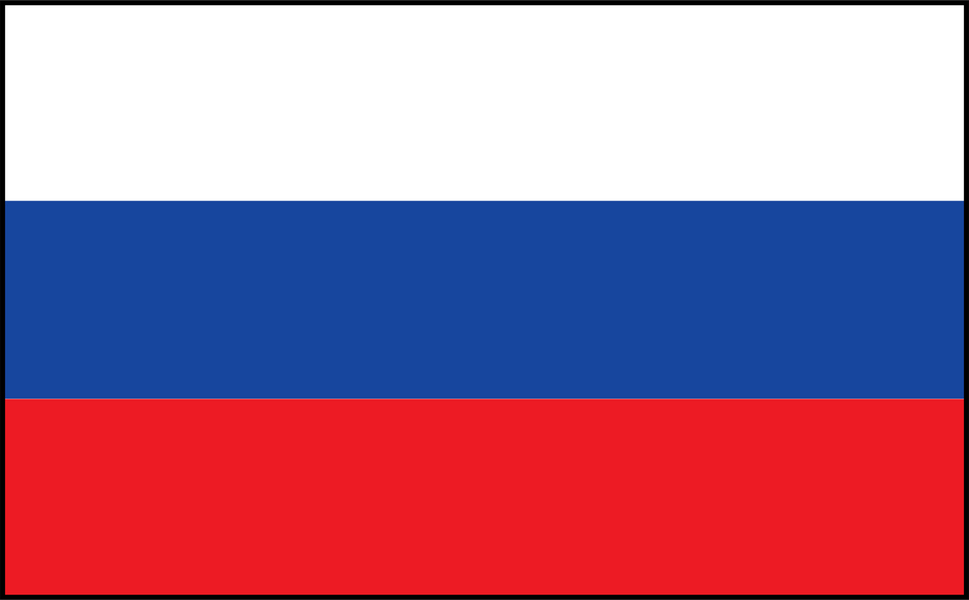
RussiaRussia is the largest country in the world by area, spanning eastern Europe and northern Asia across 11 time zones, from the Baltic Sea to the Pacific Ocean.
Capital city
Moscow
Population
about 144,000,000
Area
17,098,200 km2
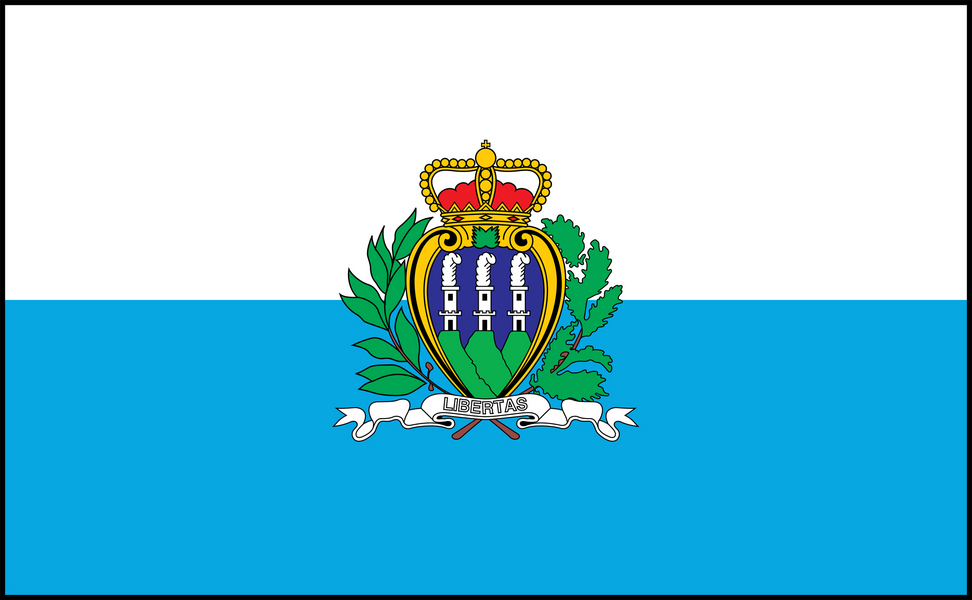
San MarinoSan Marino is a tiny landlocked republic surrounded by Italy, perched on Mount Titano. It claims to be the oldest surviving republic in the world.
Capital city
San Marino
Population
about 34,000
Area
61 km2
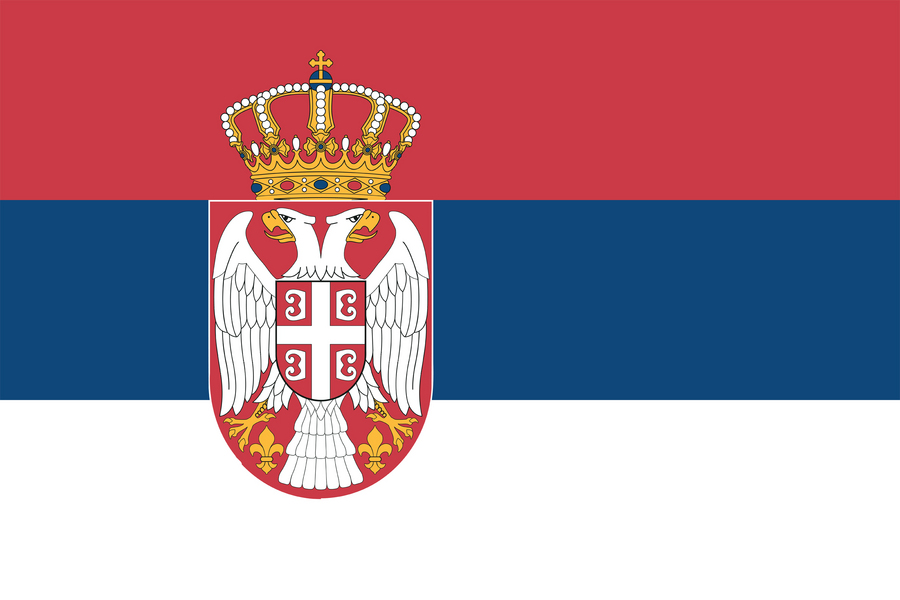
SerbiaSerbia is a landlocked Balkan country at the crossroads of central and south-eastern Europe, with the Danube flowing through it and Belgrade at its heart.
Capital city
Belgrade
Population
about 6,600,000
Area
88,361 km2
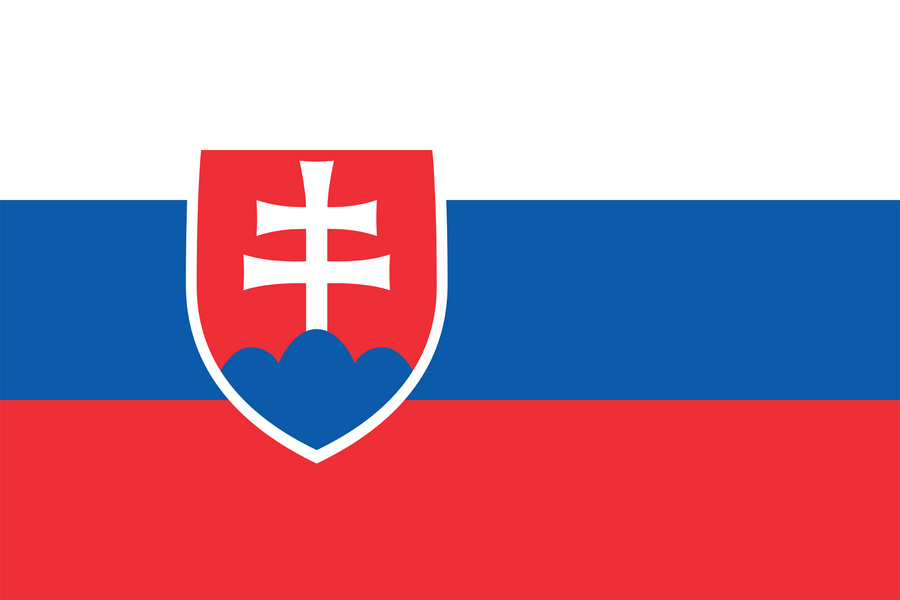
SlovakiaSlovakia is a landlocked, mountainous central European country. It has the High Tatras, thousands of caves and more castles per person than anywhere else.
Capital city
Bratislava
Population
about 5,400,000
Area
49,037 km2
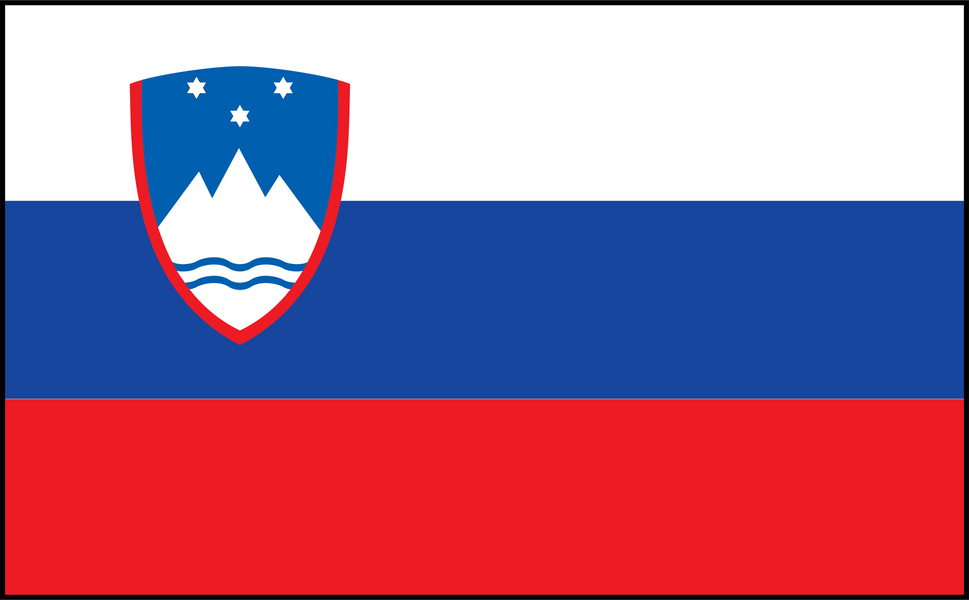
SloveniaSlovenia is a small central European country with Alps, karst caves, forests and a short Adriatic coast. It is one of the most forested countries in Europe.
Capital city
Ljubljana
Population
about 2,100,000
Area
20,271 km2
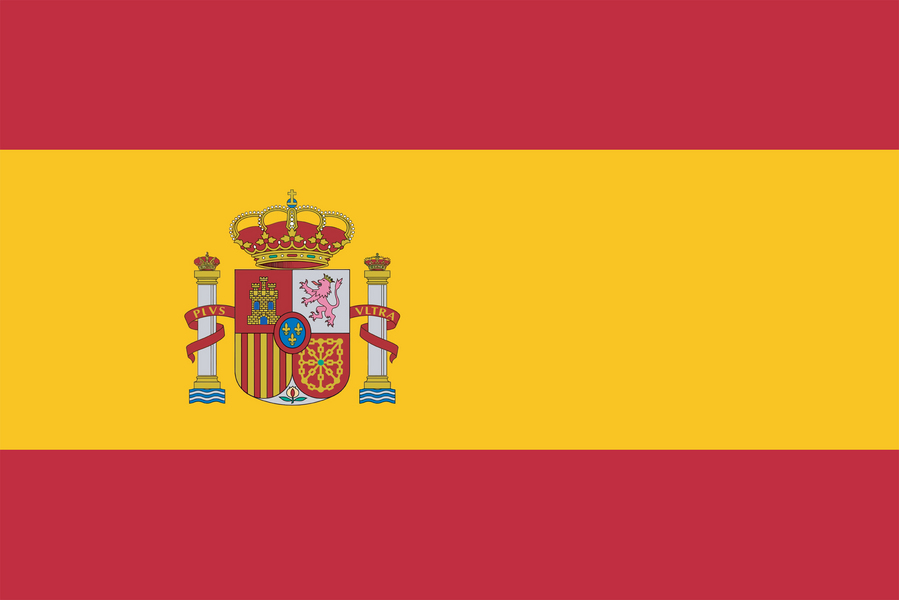
SpainSpain occupies most of the Iberian Peninsula in south-west Europe. It has a high central plateau, a long Mediterranean coast, and a language spoken across Latin America.
Capital city
Madrid
Population
about 48,000,000
Area
505,990 km2
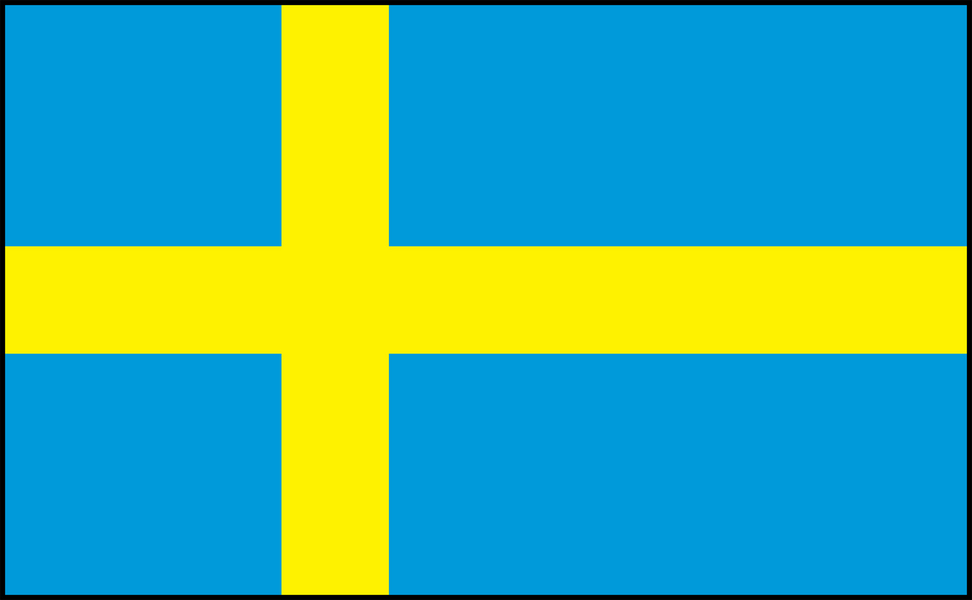
SwedenSweden is the largest Nordic country, covered in forest and dotted with around 100,000 lakes. It is known for design, the Nobel Prizes and a strong welfare state.
Capital city
Stockholm
Population
about 10,600,000
Area
450,295 km2
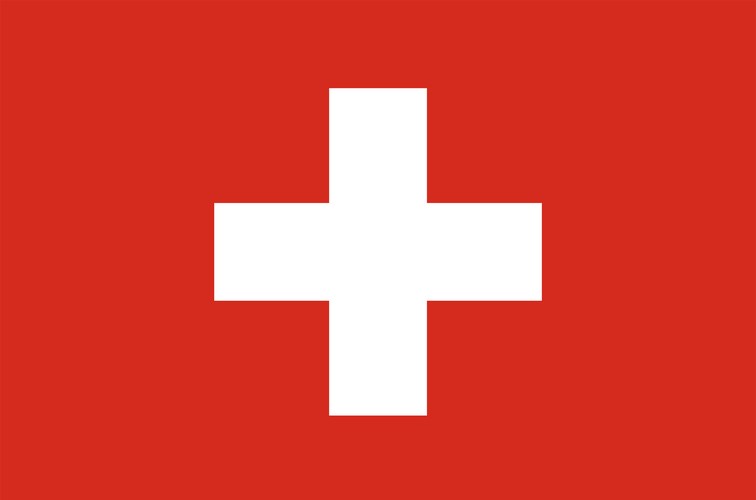
SwitzerlandSwitzerland is a mountainous, landlocked country in the Alps with four official languages. It has been neutral since 1815 and is known for banking, watches and chocolate.
Capital city
Bern
Population
about 8,900,000
Area
41,277 km2
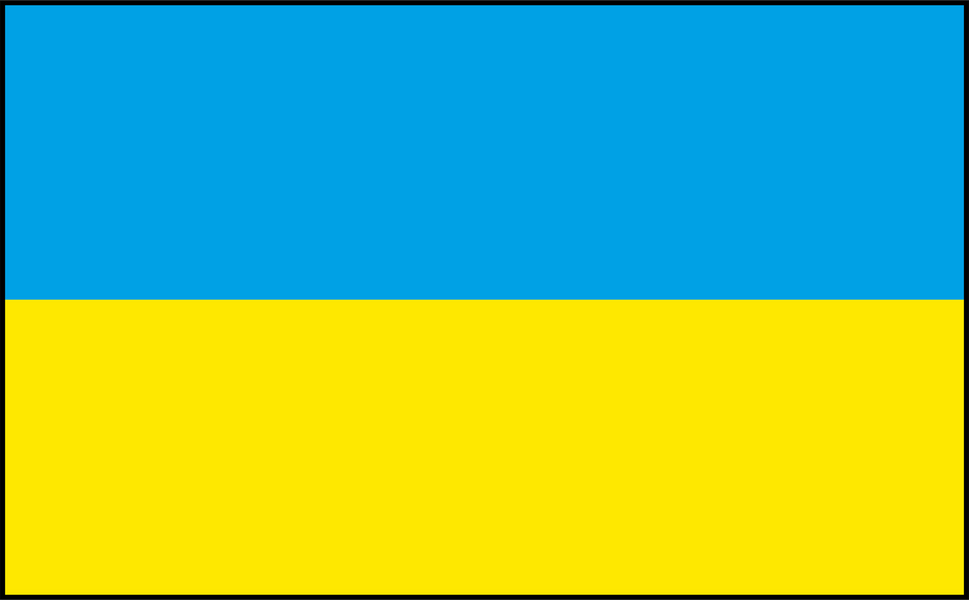
UkraineUkraine is the largest country entirely within Europe. Its exceptionally fertile black soil makes it one of the world's major grain and sunflower oil producers.
Capital city
Kyiv
Population
about 38,000,000
Area
603,500 km2
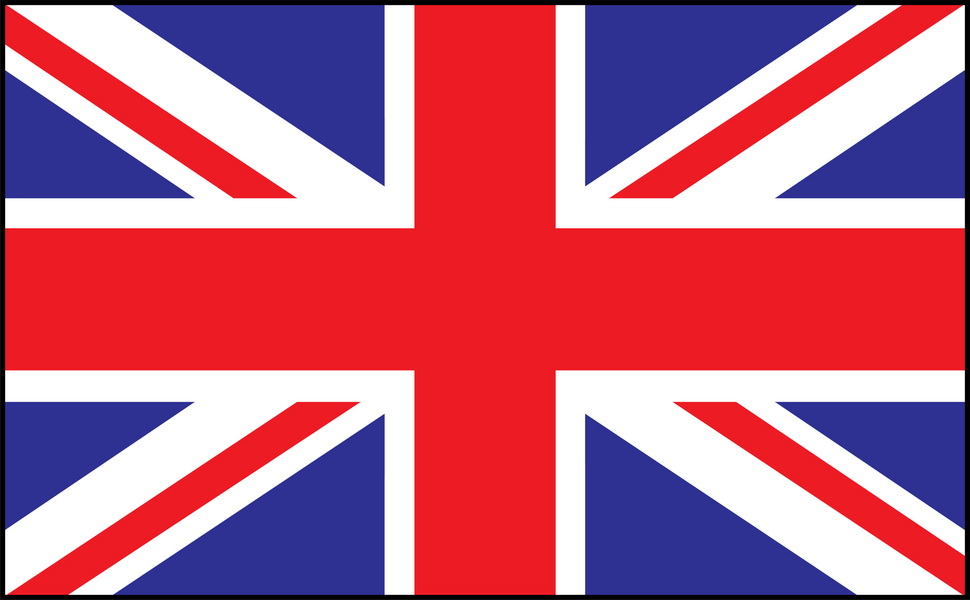
United KingdomThe United Kingdom is made up of England, Scotland, Wales and Northern Ireland. It is an island nation off north-west Europe where the Industrial Revolution began.
Capital city
London
Population
about 68,000,000
Area
242,495 km2
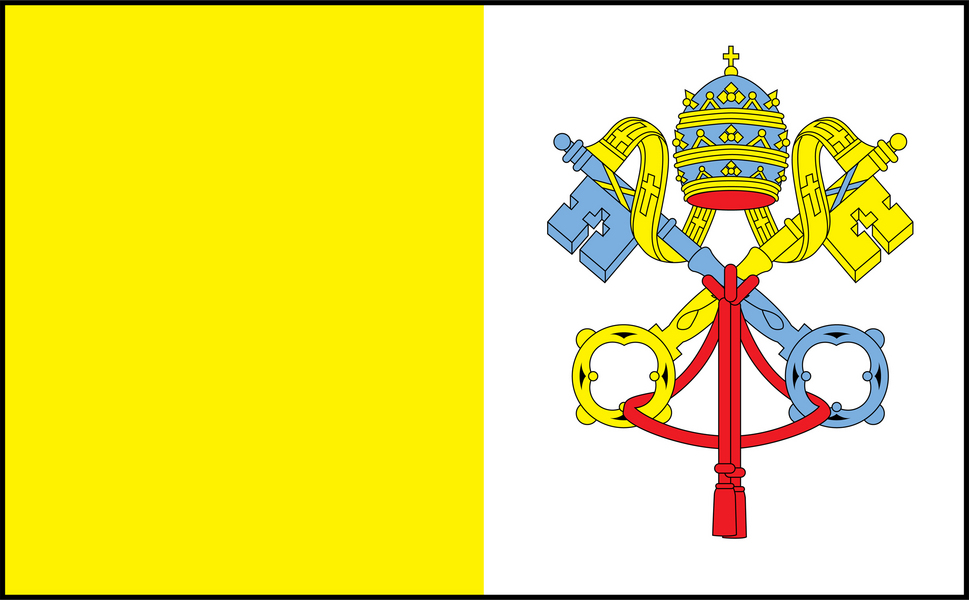
Vatican CityVatican City is the smallest country in the world, a walled enclave inside Rome and the headquarters of the Catholic Church, governed by the Pope.
Capital city
Vatican City (the country is a single city-state)
Population
around 800
Area
0.49 km2
Play this interactively at www.factsmania.org/countries/europe