
Russia
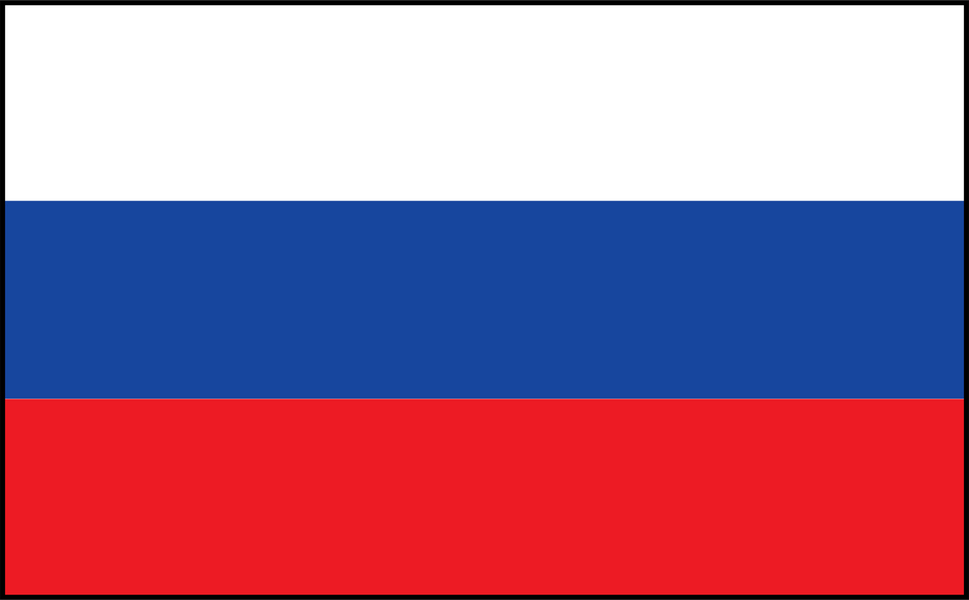
Russia is by far the largest country in the world, covering 11 time zones and stretching almost halfway around the globe.
- CapitalMoscowThe largest city in Europe
- PopulationAbout 144 millionMost live west of the Ural Mountains
- Area17,098,242 km2Larger than Pluto's surface
- Time zones11More than any other country
Russia is so large that when it is breakfast time in Kaliningrad on the Baltic it is already evening in Kamchatka on the Pacific. It spans two continents: the part west of the Ural Mountains is in Europe, and the much larger part east of them is Siberia, in Asia.
Despite the size, around three quarters of Russians live in the European part. Siberia is enormous, cold and thinly populated, but it holds most of the country's oil, gas, timber and minerals.
National symbols
- National animal Brown bear, and the double-headed eagle as the state emblem
- National flower Chamomile
- National anthem State Anthem of the Russian Federation
- National day Russia Day, 12 June
Map of Russia
Geography
Russia covers 17,098,242 km2, nearly twice the size of the next largest country, and borders 14 nations, more than almost anywhere else. It has coasts on the Arctic and Pacific Oceans and several seas.
The Ural Mountains divide European Russia from Siberia. Much of Siberia is taiga, the largest forest on Earth, giving way to Arctic tundra in the north. Mount Elbrus in the Caucasus is the highest point at 5,642 m and the highest mountain in Europe.
Climate
Most of Russia has a continental climate with long, very cold winters and short warm summers. Moscow averages around minus 7C in January.
Siberia is far more extreme. Oymyakon in the north-east is the coldest permanently inhabited place on Earth, having recorded around minus 68C. Around 65 per cent of Russia sits on permafrost, ground that stays frozen all year.
Culture
Russian is the official language and around 100 other languages are spoken across the country's many republics and regions. Russian uses the Cyrillic alphabet.
Russian literature and music loom large: Tolstoy, Dostoevsky, Chekhov, Tchaikovsky and Stravinsky. The Bolshoi and Mariinsky are among the most famous ballet companies anywhere. Around 47 per cent of Russians identify as Russian Orthodox.
Economy
Russia's economy runs largely on natural resources. It is one of the world's largest producers of oil and natural gas, and a leading exporter of wheat, aluminium, nickel and palladium.
Siberian forests supply a large share of global timber. Since 2022 heavy international sanctions have redirected much of Russia's trade away from Europe and towards Asia.
The flag
Three horizontal bands of white, blue and red. Peter the Great is said to have based it on the Dutch flag in the 1690s, after studying shipbuilding in the Netherlands.
The colours are often explained as white for nobility and honesty, blue for loyalty and truth, and red for courage and love. The flag was dropped during the Soviet period in favour of the red banner and hammer and sickle, and restored in 1991.