
Luxembourg
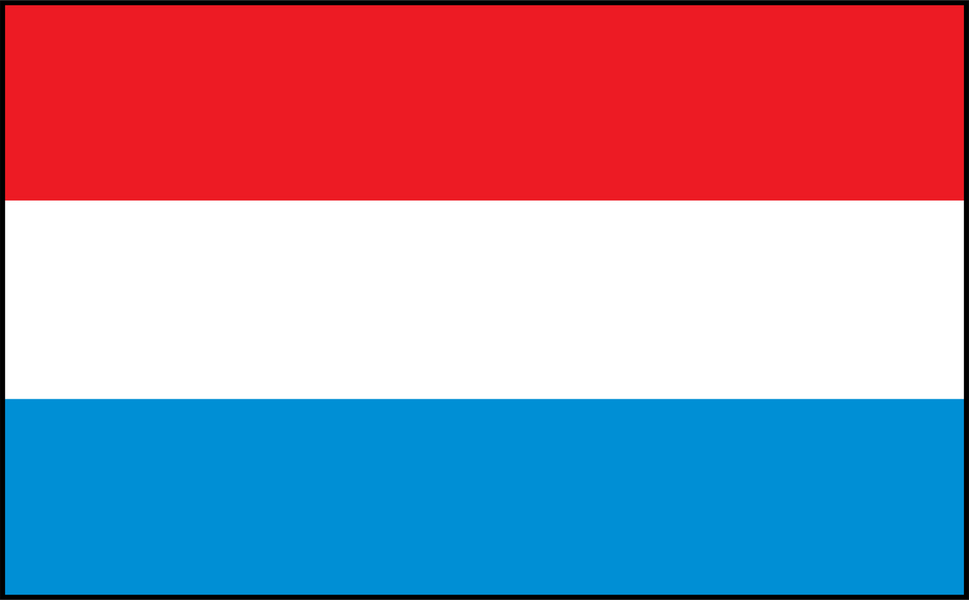
Luxembourg was the first country in the world to make all its public transport free for everybody, including visitors.
- CapitalLuxembourg CityBuilt on and around deep river gorges
- PopulationAbout 670,000Nearly half are foreign nationals
- Area2,586 km2One of Europe's smallest countries
- Public transportFree since 2020The first country to do this nationwide
Luxembourg is a small landlocked country wedged between Belgium, France and Germany. The north, the Oesling, is hilly and forested Ardennes country. The south, the Gutland, is lower, with farmland, vineyards along the Moselle and the capital city.
Luxembourg City is built around the deep gorges of the Alzette and Petrusse rivers, which made it a formidable fortress. Its old quarters and fortifications are a UNESCO World Heritage Site, and 17 km of tunnels called the casemates run through the rock beneath it.
National symbols
- National animal Lion
- National flower Rose
- National anthem Ons Heemecht (Translation: Our Homeland)
- National day National Day, 23 June
Map of Luxembourg
Geography
Luxembourg covers 2,586 km2 and borders Belgium, France and Germany. It is landlocked and one of the smallest countries in Europe.
The northern third is the Oesling, part of the Ardennes, hilly and forested and rising to Kneiff at 560 m. The southern two thirds are the Gutland, lower and more fertile. The Moselle valley in the south-east is the wine region.
Climate
Luxembourg has a temperate maritime climate with mild summers around 20C to 24C and cool winters hovering near freezing.
Rainfall is spread through the year and is higher in the Ardennes to the north. Snow falls most winters in the north, and the Moselle valley in the south-east is the mildest and sunniest part of the country.
Culture
Luxembourg has three official languages: Luxembourgish, French and German. Luxembourgish is the everyday spoken language, French is used for laws and administration, and German is common in schools and newspapers.
Around 64 per cent of the population is Catholic. Nearly half of residents are foreign nationals, mostly Portuguese, French and Italian, which makes it one of the most international countries in Europe. The Echternach hopping procession is a UNESCO-listed tradition.
Economy
Financial services dominate. Luxembourg is the second largest investment fund centre in the world after the United States, and hosts many international banks.
Steel was the historic industry and ArcelorMittal is still headquartered here. Luxembourg is also a founding member of the EU and hosts the European Court of Justice and other EU institutions.
The flag
Three horizontal bands of red, white and light blue. The colours come from the coat of arms of the medieval Counts of Luxembourg, a red lion on a white and blue striped shield.
It looks very like the Dutch flag, and the only reliable difference is that Luxembourg's blue is noticeably lighter and its proportions are longer. This has caused enough confusion that changing the flag has been debated in parliament.