
United Kingdom
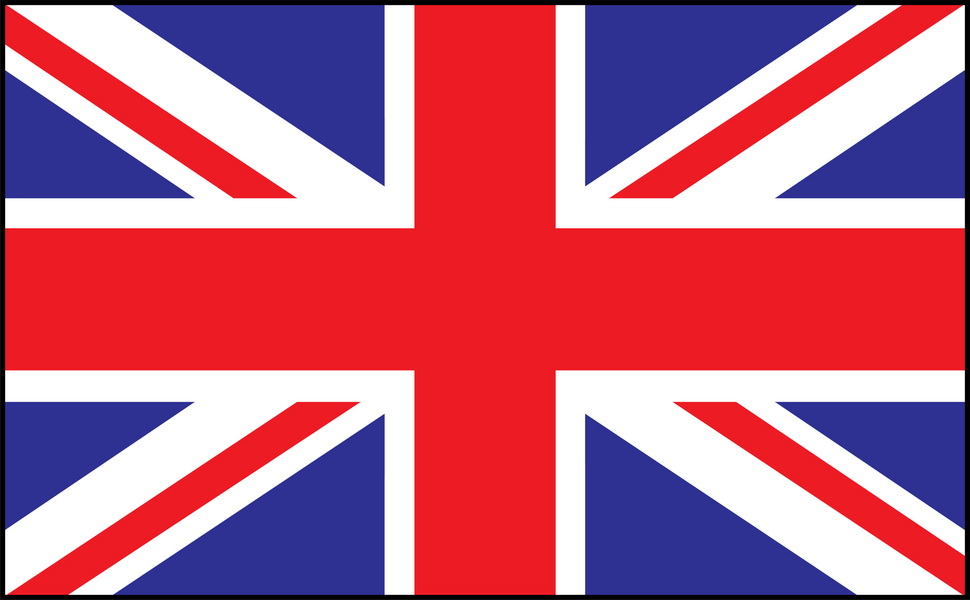
The United Kingdom is four countries in one: England, Scotland, Wales and Northern Ireland, each with its own flag, capital and traditions.
- CapitalLondonThe largest city in western Europe
- PopulationAbout 68 millionAcross four constituent countries
- Area242,495 km2About the size of Uganda
- Highest pointBen Nevis, 1,345 mIn the Scottish Highlands
The UK sits on a group of islands off the north-west coast of Europe. Great Britain, the largest island, holds England, Scotland and Wales, while Northern Ireland occupies the north-east corner of the island of Ireland.
Nowhere in the UK is more than about 125 km from the sea. That closeness to water shaped everything: fishing, shipbuilding, and the navy that built an empire covering roughly a quarter of the world at its height.
National symbols
- National animal Lion for England, unicorn for Scotland, dragon for Wales
- National colours Red, white and blue
- National anthem God Save the King
- National flower Rose, thistle, daffodil and shamrock, one per country
Map of United Kingdom
Geography
The United Kingdom covers 242,495 km2. Its only land border is between Northern Ireland and the Republic of Ireland. The Atlantic Ocean, North Sea, English Channel and Irish Sea surround it.
The land rises towards the north and west. Scotland has the Highlands and Ben Nevis at 1,345 m, Wales has Snowdonia, and northern England has the Pennines and the Lake District. Southern and eastern England is low, gently rolling farmland.
Climate
The UK has a mild, changeable maritime climate. Winters rarely drop far below freezing and summers rarely climb above the high twenties, because the Atlantic and the Gulf Stream even things out.
Rain falls throughout the year and the west is much wetter than the east: parts of the Lake District get over 3,000 mm a year while parts of Essex get under 600 mm. The weather changing several times in a day is a genuine national talking point.
Culture
English is the main language, and Welsh, Scottish Gaelic, Irish and Scots are also spoken and officially recognised in their nations. Welsh is compulsory in schools in Wales.
Britain gave the world Shakespeare, the Beatles and association football, along with cricket, rugby and tennis. Around 46 per cent of people are Christian and roughly 37 per cent report no religion, with significant Muslim, Hindu and Sikh communities.
Economy
The UK economy is dominated by services. London is one of the two or three biggest financial centres in the world, alongside banking, insurance, law and creative industries.
Manufacturing still matters, especially aerospace, pharmaceuticals and cars. North Sea oil and gas peaked decades ago, and offshore wind has grown quickly: the UK has some of the largest wind farms on Earth.
The flag
The Union Flag layers three crosses. The red upright cross of Saint George stands for England, the white diagonal cross of Saint Andrew on blue for Scotland, and the red diagonal cross of Saint Patrick for Ireland.
Wales is not represented, because it was already joined to England when the flag was first designed in 1606. That is why the Welsh dragon is missing, something Welsh people have pointed out for a long time.