
Bosnia and Herzegovina
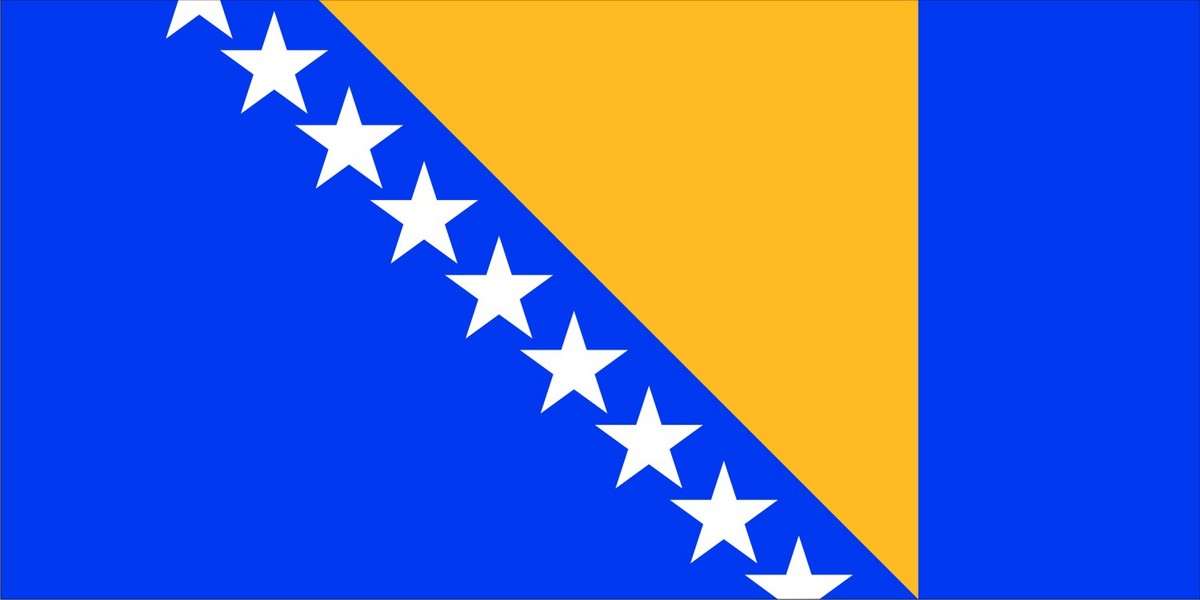
Bosnia and Herzegovina has three presidents at once, one from each of its main communities, who take turns leading the country.
- CapitalSarajevoHosted the 1984 Winter Olympics
- PopulationAbout 3.2 millionThree main constituent peoples
- Area51,197 km2Only about 20 km of coastline
- PresidencyThree membersBosniak, Croat and Serb, rotating
Bosnia and Herzegovina is mountainous and heavily forested, with only a 20 km strip of Adriatic coast at Neum. Bosnia is the northern and central part, Herzegovina the smaller, drier, sunnier south.
After the war of the 1990s, the country was given an unusual system of government. It has two largely self-governing entities and a rotating three-person presidency, with one Bosniak, one Croat and one Serb member serving eight months at a time as chair.
National symbols
- National animal Bosnian pine, and the grey wolf
- National colours Blue, yellow and white
- National anthem Drzavna himna Bosne i Hercegovine, which has no official words
- National day Independence Day, 1 March
Map of Bosnia and Herzegovina
Geography
Bosnia and Herzegovina covers 51,197 km2 and borders Croatia, Serbia and Montenegro. Its coastline on the Adriatic is only about 20 km long, at the town of Neum.
The Dinaric Alps cover most of the country, rising to Maglic at 2,386 m. Forests cover around half the land. The Una, Neretva and Drina rivers cut deep gorges, and the Neretva is famous for its intense green colour.
Climate
The north and centre have a continental climate with cold snowy winters and warm summers. Sarajevo sits in a mountain bowl and gets significant snow.
Herzegovina in the south is Mediterranean: hot, dry summers with temperatures regularly above 35C in Mostar, which is often the hottest city in the country.
Culture
Bosnian, Croatian and Serbian are all official, and they are closely related enough to be mutually intelligible. Both Latin and Cyrillic alphabets are used.
The population is roughly half Bosniak (mostly Muslim), a third Serb (mostly Orthodox) and around 15 per cent Croat (mostly Catholic). Sevdalinka, a style of melancholy love song, is the traditional music. Coffee is served Bosnian style, in a small copper pot with Turkish delight.
Economy
The economy is still recovering from the war of the 1990s. Metals, especially aluminium and steel, along with wood products and machinery, are the main exports.
Hydroelectric power from the fast mountain rivers supplies a large share of electricity and is exported. Tourism is growing, drawn by Sarajevo, Mostar and adventure sports like white-water rafting on the Tara and Neretva.
The flag
A blue field with a yellow triangle running along the top, and a diagonal line of white stars beside it with the top and bottom stars cut in half.
The triangle stands for the roughly triangular shape of the country and for its three main peoples. The stars, running off both edges, represent Europe and suggest an endless line. The design was chosen in 1998 by an international representative because the three communities could not agree on one themselves.