
Switzerland
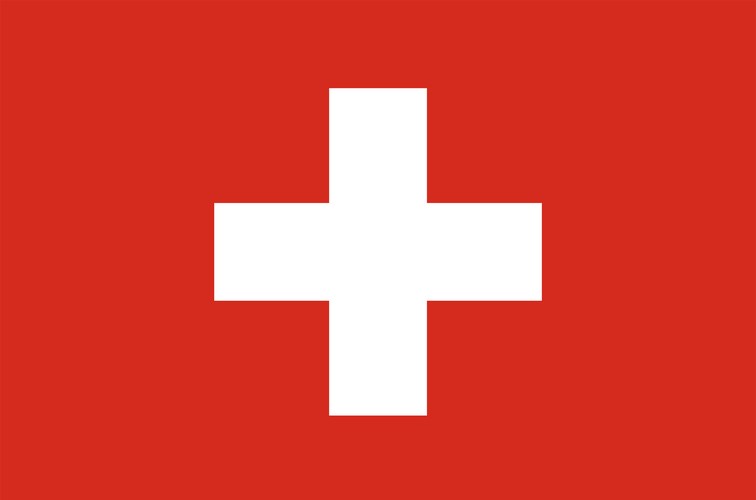
Switzerland has stayed neutral in every war since 1815, and its flag is one of only two in the world that is square.
- CapitalBernAlthough Switzerland has no official capital in law
- PopulationAbout 8.9 millionAcross 26 cantons
- Area41,285 km2About 60 per cent of it mountainous
- Official languages4German, French, Italian and Romansh
The Alps cover around 60 per cent of Switzerland, which is why it has such a reputation for mountains, skiing and dramatic railways. Between the Alps and the Jura mountains in the north-west lies the Swiss Plateau, where most people live.
Switzerland is a confederation of 26 cantons, each with a lot of independence, and citizens vote in referendums several times a year on everything from tax to transport. It has not fought a foreign war since 1815.
National symbols
- National animal Alpine ibex
- National flower Edelweiss
- National anthem Swiss Psalm
- National day Swiss National Day, 1 August
Map of Switzerland
Geography
Switzerland covers 41,285 km2 and borders Germany, France, Italy, Austria and Liechtenstein. It is landlocked and has no coastline at all.
The Alps fill the south and centre, with the Matterhorn at 4,478 m and Monte Rosa reaching 4,634 m, the highest point in the country. The Rhine and the Rhone both rise in the Swiss Alps and flow to opposite ends of Europe. Lake Geneva is the largest lake.
Climate
Climate depends almost entirely on altitude. The plateau has a temperate climate with warm summers and cold winters, while the high Alps are freezing with permanent snow and glaciers.
The southern canton of Ticino, on the Italian side of the Alps, is noticeably warmer and grows palm trees. A warm dry wind called the fohn can blow down from the mountains and raise temperatures sharply in a few hours.
Culture
Switzerland has four official languages: German (spoken by around 62 per cent), French (23 per cent), Italian (8 per cent) and Romansh, spoken by fewer than 40,000 people in the mountains of Graubunden.
Swiss German dialects are very different from standard German. The Red Cross was founded in Geneva in 1863, and its emblem is the Swiss flag with the colours reversed. Around 62 per cent of Swiss people are Christian.
Economy
Switzerland is one of the wealthiest countries in the world per person. Pharmaceuticals and chemicals, led by Novartis and Roche, are the largest export sector.
Banking and finance made Zurich and Geneva global centres. Swiss watchmaking is a byword for precision, and Swiss chocolate makers invented milk chocolate in 1875. Switzerland also has some of the highest chocolate consumption per person on Earth.
The flag
A square red flag with a bold white cross in the middle, its arms all the same length and one sixth longer than they are wide. Switzerland and Vatican City are the only two countries with square flags.
The white cross has been a Swiss battle emblem since the 1300s. The Red Cross took the design and swapped the colours as a symbol of neutral medical aid, a direct tribute to the country where it was founded.