
Sweden
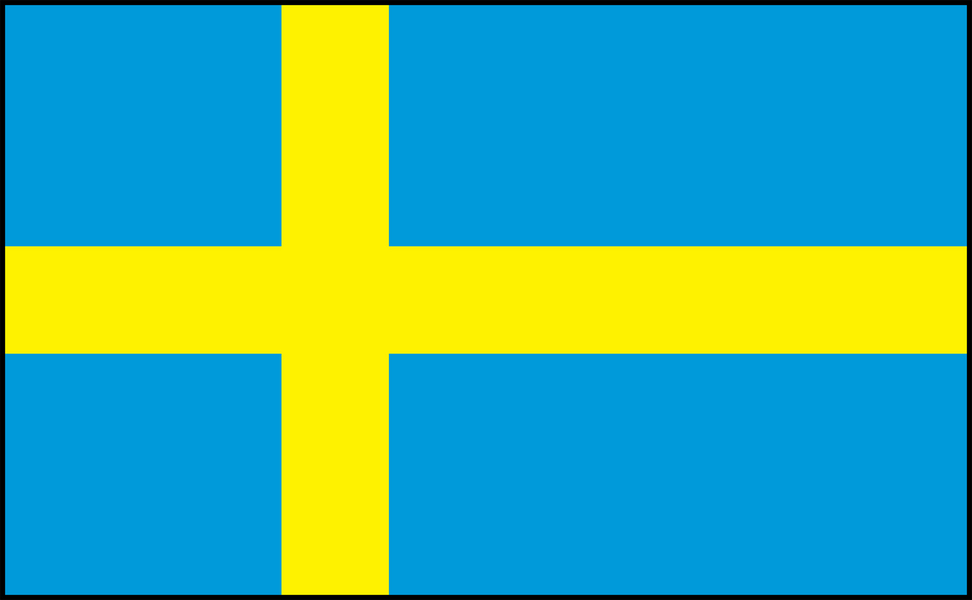
Sweden is covered by forest across around 70 per cent of its land, and anyone is legally allowed to walk, camp and pick berries almost anywhere in it.
- CapitalStockholmBuilt across 14 islands
- PopulationAbout 10.6 millionMost in the warmer south
- Area450,295 km2Fifth largest country in Europe
- Forest coverAbout 70 per centAnd around 100,000 lakes
Sweden is long, running about 1,570 km from the Baltic south to Lapland in the Arctic north. Forest and lakes cover most of it, and the mountains along the Norwegian border form the country's spine.
Allemansratten, the right of public access, lets anyone walk, cycle, camp for a night, swim and pick wild berries and mushrooms on almost any land, including private property, as long as they do no damage. It is written into the constitution.
National symbols
- National animal Elk, sometimes called the moose
- National flower Twinflower
- National anthem Du gamla, Du fria (Translation: Thou Ancient, Thou Free)
- National day National Day of Sweden, 6 June
Map of Sweden
Geography
Sweden covers 450,295 km2 and borders Norway and Finland, with the Baltic Sea and Gulf of Bothnia to the east. The Oresund Bridge links it to Denmark.
The Scandinavian Mountains run along the Norwegian border and reach Kebnekaise at about 2,097 m. The south is flatter farmland. There are around 100,000 lakes, the largest being Vanern, the third biggest lake in Europe.
Climate
Southern Sweden has a mild temperate climate with warm summers and cool winters. The north is subarctic, with deep snow, long dark winters and temperatures that can fall below minus 30C.
Above the Arctic Circle the midnight sun shines through summer and the polar night falls in winter. Despite the northern latitude, the Gulf Stream keeps Sweden far warmer than places at similar latitudes in Canada or Russia.
Culture
Swedish is the official language, and five minority languages including Sami and Finnish are recognised. Most Swedes speak excellent English.
Fika, a daily coffee-and-cake break taken with other people, is a genuine social institution. Midsummer, with maypole dancing and flower crowns, is the biggest celebration of the year. Around 55 per cent of Swedes belong to the Church of Sweden, though regular attendance is low.
Economy
Sweden has an unusually large number of globally known companies for its size: IKEA, Volvo, Ericsson, Spotify, H&M and Electrolux are all Swedish.
Iron ore from Kiruna in the Arctic, timber and paper from the forests, and machinery are major exports. Sweden also gets almost all its electricity from hydroelectric and nuclear power, with very little from fossil fuels.
The flag
A blue field with a yellow Nordic cross whose vertical arm sits closer to the flagpole, the same layout as Denmark, Norway, Finland and Iceland.
The blue and yellow come from the Swedish coat of arms, which has three golden crowns on blue. Legend says a king saw a golden cross in a blue sky before a battle, though the design is more likely modelled on the Danish flag with Swedish colours.