
Iraq
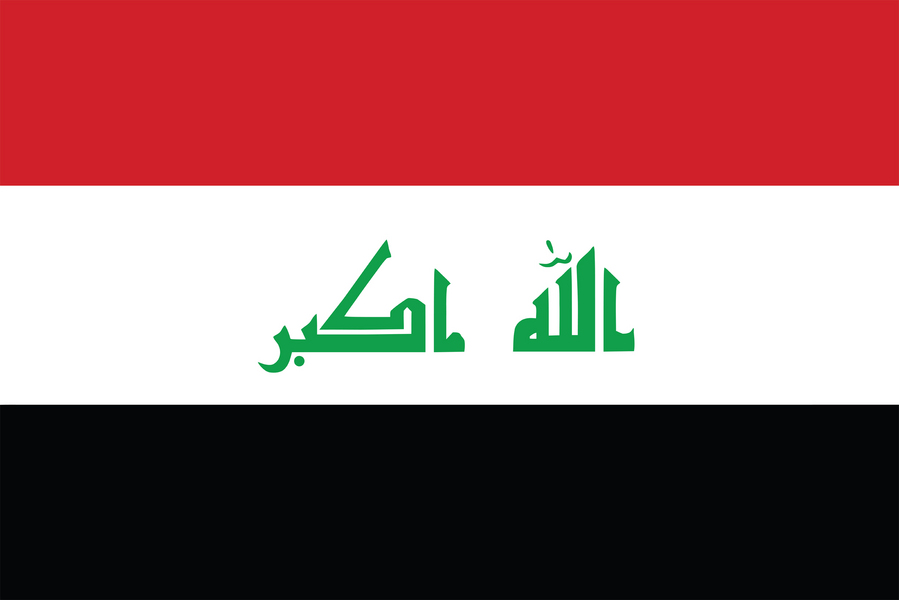
Iraq contains Mesopotamia, the land between two rivers where writing, the wheel and the first cities were invented.
- CapitalBaghdadOnce the largest city in the world
- PopulationAbout 45 millionConcentrated along the two rivers
- Area438,317 km2Mostly desert and river plain
- WritingInvented hereCuneiform, around 3200 BC
Iraq is built around the Tigris and Euphrates rivers, which flow from the mountains of Turkey down to the Persian Gulf. The land between them, Mesopotamia, is where farming villages first grew into cities around 5,000 years ago.
The Sumerians who lived there invented cuneiform writing by pressing a reed into wet clay, and clay tablets survive recording everything from laws and epic poems to a customer complaining about the poor quality of copper he had been sold.
National symbols
- National bird Chukar partridge
- National flower Rose
- National anthem Mawtini (Translation: My Homeland)
- National day Republic Day, 14 July
Map of Iraq
Geography
Iraq covers 438,317 km2 and borders Turkey, Iran, Kuwait, Saudi Arabia, Jordan and Syria, with a short coast on the Persian Gulf.
The Tigris and Euphrates cross the country from north-west to south-east and join to form the Shatt al-Arab. Mountains rise in the Kurdish north-east, reaching Cheekha Dar at 3,611 m. The west and south are desert, and the Mesopotamian Marshes in the south are among the largest wetlands in western Asia.
Climate
Iraq has a hot desert climate over most of its area. Summers are extremely hot, regularly above 45C in Baghdad and Basra, with very low humidity inland.
Winters are mild in the south but genuinely cold in the northern mountains, which get snow. Rain falls mostly between November and April, and dust storms are common in summer.
Culture
Arabic and Kurdish are both official languages. Kurdish is spoken across the northern Kurdistan Region, which has its own regional government.
Around 97 per cent of Iraqis are Muslim, divided between Shia and Sunni. Najaf and Karbala are major Shia pilgrimage cities. Iraq has an old tradition of poetry, and the maqam, a form of classical Arabic music, is on the UNESCO heritage list.
Economy
Oil is the overwhelming source of income, providing around 90 per cent of government revenue. Iraq has some of the largest proven reserves in the world.
Agriculture along the rivers produces dates, wheat and barley, and Iraq has historically been one of the world's major date producers. Decades of war and sanctions have made rebuilding other industries difficult.
The flag
Three horizontal bands of red, white and black, the pan-Arab colours shared with Egypt, Syria, Yemen and others.
Across the white band runs the phrase "Allahu Akbar", meaning God is greatest, in green Kufic script. The words were added in 1991 and the current script was adopted in 2008, replacing an earlier version handwritten in the style of Saddam Hussein.