
Dominica
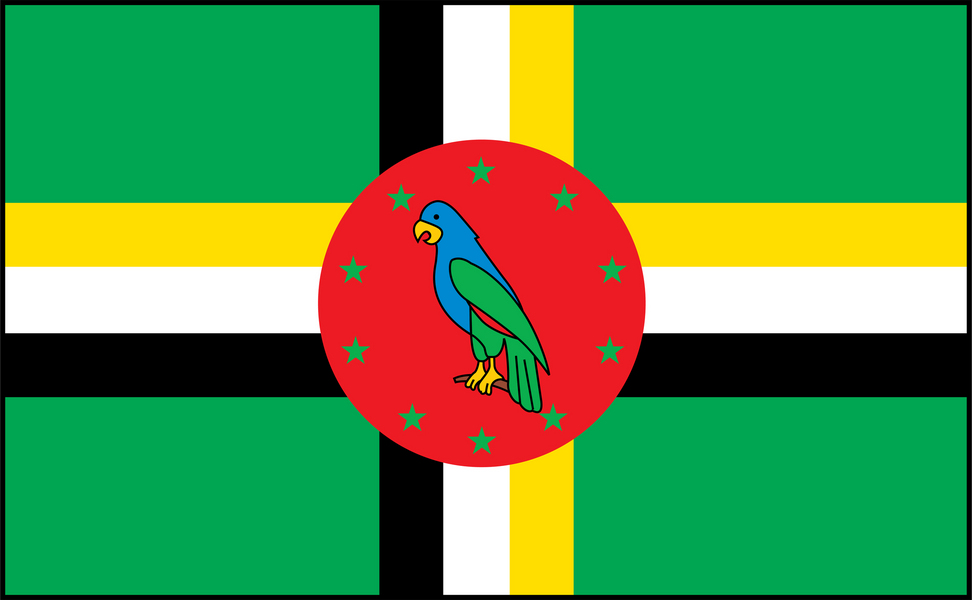
Dominica is so mountainous and so thickly forested that it is nicknamed the Nature Island, and it has a lake of boiling water.
- CapitalRoseauOn the sheltered west coast
- PopulationAbout 73,000One of the least developed Caribbean islands
- Area751 km2Rugged and heavily forested
- Boiling LakeAbout 92C at the edgesThe second largest hot lake in the world
Dominica is the youngest and most rugged island in the Lesser Antilles, still being built by volcanic activity. It has nine potentially active volcanoes, more per square kilometre than anywhere on Earth, and 365 rivers.
Boiling Lake, reached only by a hard six-hour round-trip hike, is a flooded crack in the crust where volcanic gas heats the water until it churns. It is the second largest hot lake in the world after one in New Zealand.
National symbols
- National bird Sisserou parrot, found only on Dominica and shown on the flag
- National flower Bwa Kwaib, the Caribbean rosewood
- National anthem Isle of Beauty, Isle of Splendour
- National day Independence Day, 3 November
Map of Dominica
Geography
Dominica covers 751 km2 and has no land borders, lying between the French territories of Guadeloupe and Martinique in the eastern Caribbean.
The island is a spine of volcanic mountains, rising to Morne Diablotins at 1,447 m. Morne Trois Pitons National Park, a World Heritage Site, contains the Boiling Lake, the Valley of Desolation and numerous waterfalls. Rainforest covers much of the interior.
Climate
Dominica is tropical, warm at around 22C to 31C on the coast and cooler in the mountains.
It is one of the wettest islands in the Caribbean, with over 5,000 mm of rain a year in the mountains. The wet season runs June to November and coincides with hurricane season, which has hit the island hard more than once.
Culture
English is the official language, and Dominican Creole French, a legacy of French rule, is widely spoken.
The Kalinago Territory on the east coast is home to the last organised Indigenous Caribbean community, who still build dugout canoes and weave distinctive baskets. Around 75 per cent of Dominicans are Christian, mostly Catholic.
Economy
Agriculture is the traditional backbone, especially bananas, though hurricanes and trade changes have hurt it badly. Coconut products, citrus and bay oil are also exported.
Ecotourism is growing, focused on hiking, diving and whale watching: Dominica is one of the few places where sperm whales live year-round. Citizenship by investment provides significant government revenue, and geothermal energy from the volcanoes is being developed.
The flag
A green field for the forests, crossed by a triple-coloured cross of yellow, black and white, standing for sunshine and crops, the fertile soil and African heritage, and pure water.
At the centre a red disc, for social justice, carries a sisserou parrot, a bird found nowhere else on Earth. Around it are ten green stars, one for each parish of the island.