
Grenada
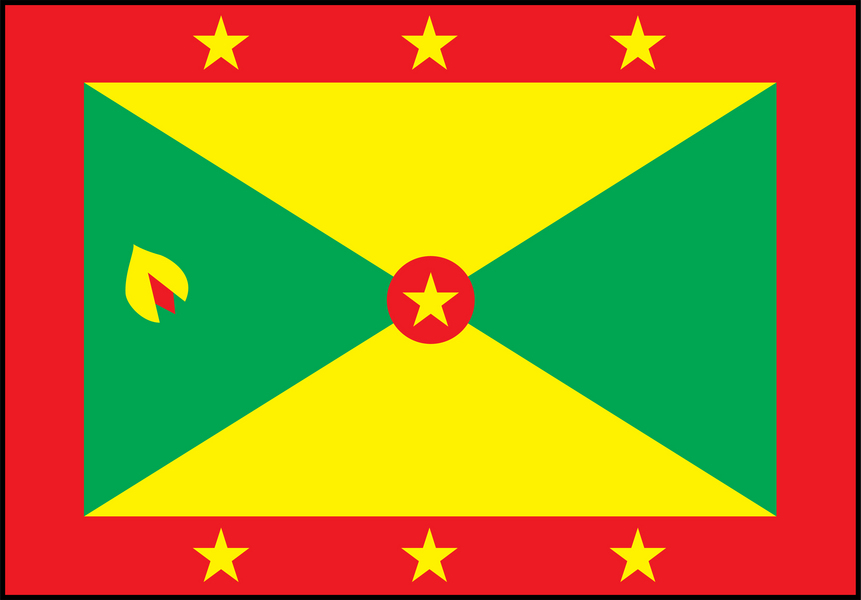
Grenada is called the Spice Isle because it grows so much nutmeg that the spice appears on its national flag.
- CapitalSt. George'sBuilt around a flooded volcanic crater harbour
- PopulationAbout 125,000Three inhabited islands
- Area344 km2One of the smallest countries in the Americas
- NutmegA leading world producerGrenada supplies a large share of global supply
Grenada is a volcanic island with a rainforest interior and a crater lake, Grand Etang, filling an old volcanic vent. Two smaller islands, Carriacou and Petite Martinique, are also part of the country.
Nutmeg was introduced in the 1840s and thrived. For a long time Grenada was the second largest nutmeg producer in the world after Indonesia, and the spice is so central to the country that it appears on the flag.
National symbols
- National bird Grenada dove, one of the rarest birds in the world
- National flower Bougainvillea
- National anthem Hail Grenada
- National day Independence Day, 7 February
Map of Grenada
Geography
Grenada covers 344 km2 and has no land borders, lying in the south-eastern Caribbean north of Trinidad and Tobago.
The main island is volcanic and mountainous, rising to Mount Saint Catherine at 840 m. Grand Etang Lake fills an extinct crater high in the rainforest. The country also includes Carriacou and Petite Martinique in the Grenadines chain to the north.
Climate
Grenada is tropical, warm all year at around 24C to 30C, cooled by trade winds.
The dry season runs January to May and the wet season June to December. Grenada is usually south of the worst hurricane tracks, but Hurricane Ivan in 2004 struck directly and damaged around 90 per cent of the buildings on the island.
Culture
English is the official language and Grenadian Creole English is widely spoken. A French-based creole survives in a few communities.
Around 90 per cent of Grenadians are Christian. Carnival, called Spicemas, is held in August and includes Jab Jab, where participants cover themselves in black paint or oil and parade before dawn.
Economy
Tourism and offshore education are the biggest earners. St. George's University trains large numbers of medical students from abroad, and its students make up a noticeable share of the island's population.
Nutmeg, mace, cinnamon, cloves and cocoa are exported, and Grenadian chocolate made from local cocoa has won international awards.
The flag
A red border runs around the whole flag with three gold stars along the top and three along the bottom, six in all, one for each parish.
The centre is divided into four triangles, green above and below, gold to the sides, with a red disc in the middle holding a seventh gold star for the capital. On the left-hand green triangle sits a gold nutmeg, split open to show the mace inside. Grenada is the only country with a food on its flag.