
Fiji
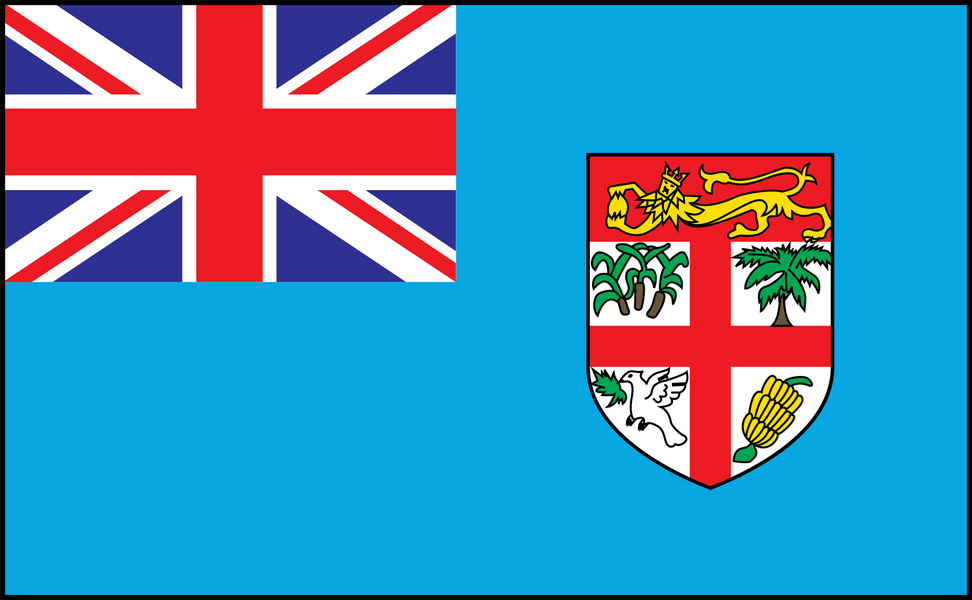
Fiji is a scatter of over 330 islands in the South Pacific, and only about a third of them have anybody living on them.
- CapitalSuvaOn the big island of Viti Levu
- PopulationAbout 930,000Most live on just two islands
- IslandsOver 330Around 110 are inhabited
- CurrencyFijian dollarNotes feature Fijian wildlife
Two islands, Viti Levu and Vanua Levu, hold nearly nine out of ten Fijians. Both were built by volcanoes, so they have mountainous green interiors, while many of the smaller islands are low coral atolls ringed by reef.
The 180 degree line of longitude, where one day officially becomes the next, runs straight through Fiji. The country simply bends the date line around itself so that the whole nation keeps the same day, which saves a great deal of confusion.
National symbols
- National flower Tagimoucia, a red and white flower that grows wild in only one place on Taveuni island
- National colours Light blue and white
- National anthem God Bless Fiji
- National day Fiji Day, 10 October
Map of Fiji
Geography
Fiji covers 18,272 km2 of land spread across a huge stretch of the South Pacific, about 2,000 km north of New Zealand. There are no land borders.
Viti Levu, the largest island, is mountainous and rises to Mount Tomanivi at 1,324 m. Rivers cut deep valleys through the interior, and coral reefs surround much of the coastline, including the Great Sea Reef, the third longest barrier reef in the world.
Climate
Fiji is tropical and warm all year, sitting between about 22C and 30C. There is a wet season from November to April and a drier, slightly cooler season from May to October.
The wet season is also cyclone season. Tropical cyclones can be severe, and Cyclone Winston in 2016 was the strongest ever recorded in the southern hemisphere when it struck Fiji.
Culture
English, Fijian and Fiji Hindi are all official languages. Around a third of Fijians are descended from workers brought from India by the British in the late 1800s to work sugar plantations, so Hindu temples and Indian food are part of everyday Fiji.
Kava, a drink made from a root and served in a wooden bowl, is shared at ceremonies and welcomes. About 65 per cent of Fijians are Christian and around 28 per cent are Hindu.
Economy
Tourism is the biggest earner by far. Visitors come from Australia, New Zealand and further afield for the reefs, diving and beaches.
Sugar cane has been the traditional crop for over a century and is still important, along with fish, coconut products and bottled water, which Fiji exports around the world.
The flag
The flag is light blue, the colour of the Pacific Ocean around the islands, with the British Union Flag in the top left corner from Fiji's time as a British colony.
On the right is a shield taken from the coat of arms. It shows sugar cane, a coconut palm, bananas and a dove of peace, with the cross of St George. Fiji has debated replacing the design several times but has kept it so far.